
The base salary for a House member has remained unchanged since 2009. This aspect of congressional compensation has been a constant topic of discussion. The situation presents a challenge for members of Congress who need to address the financial demands of representing their constituents.
A significant solution introduced by the House of Representatives involves a reimbursement program. This program aims to cover the costs faced by members in serving the public. However, a notable issue with this program is that members can receive reimbursements without providing receipts. Many find this problematic as it raises concerns about accountability and transparency.
An example of how this system works can be seen in the experience of Arizona GOP congressman Abraham Hamadeh. In 2025, he ranked second on the list of the largest reimbursements received through the receipt-free program. These figures have sparked discussions about the appropriateness of such practices.
The absence of a requirement for receipts in the reimbursement process has led to increasing expenses. Such rising costs are anticipated due to the lack of detailed documentation, which allows for unchecked expenditures. Critics argue that this might be perceived as financial misconduct by voters, thus risking political backlash.
“It’s conventional D.C. wisdom that members of Congress raising their own salaries would be political malpractice because voters would see it as corrupt.”
This statement reflects the common sentiment within political circles about salary adjustments for Congress. Consequently, the reimbursement program has become a method to mitigate costs without direct salary increases. The program has its proponents and detractors. Those in favor see it as necessary for members to fulfill their duties effectively, while opponents view it as potentially misused.
Calls for reform are gaining traction as the system’s flaws are highlighted. Advocates for change suggest introducing receipt requirements to enhance oversight and ensure fiscal responsibility. This approach seeks to balance the need for legitimate expense coverage with the public’s demand for transparency.
 State Department Simplifies Passport Process with Online Applications
 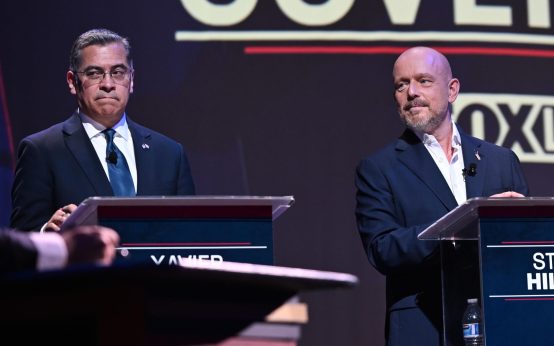 Becerra and Hilton Clash in California Gubernatorial Debate
  California Voters to Decide on $7.5 Billion State Research Fund
 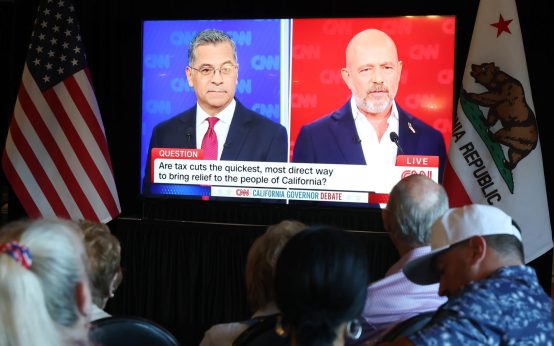 Highlights from the California Gubernatorial Debate: Becerra vs. Hilton
 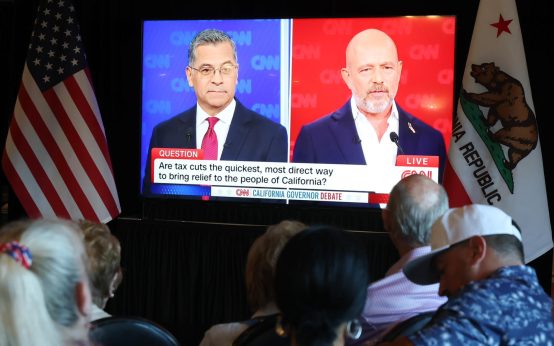 Becerra vs. Hilton: The Debate and Key Issues in the California Governor Race
  Senate Confirms New Labor Secretary