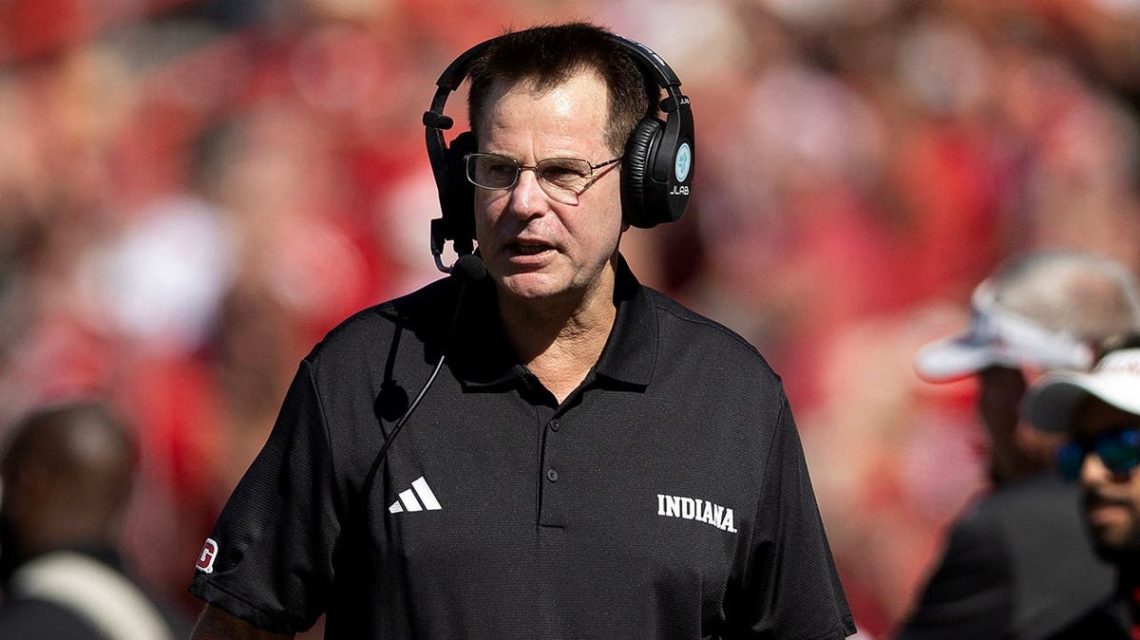
The unveiling of the inaugural College Football Playoff poll ignited surprise and discontent among many football fans, except for those supporting SEC teams. Observers noted that SEC teams were frequently overrepresented and ranked higher than expected. This led some prominent coaches to speculate about potential biases linked to ESPN, the SEC, and the committee’s lack of objectivity.
Indiana head coach Curt Cignetti openly criticized the perceived bias. He mentioned, “The SEC receives significant support from ESPN and affiliated writers. That’s why we see numerous SEC teams ranked highly, while quality teams from the Big Ten do not receive the same recognition. It will ultimately be decided on the field.” Cignetti highlighted a general perception that an agenda influences public discussions about the SEC.
The SEC’s marketing prowess has seen them maintain their status despite performances. LSU Tigers head coach Lane Kiffin has been vocal about favoring the conference move to nine games, believing it balances competition similar to the Big Ten and Big 12. Kiffin has championed the notion that the SEC is inherently superior, even calling it “Just Different.” He rationalized that SEC teams would outperform others with similar schedules.
However, recent outcomes challenge Kiffin’s assertion. During the 2025-2026 season, SEC teams posted a poor bowl record of 1-8 and were 0-3 in matchups against non-SEC Power 4 opponents. This included notable losses, like Texas A&M’s defeat to Miami. Alabama suffered a significant defeat to Indiana in the Rose Bowl, highlighting discrepancies between perception and reality.
Kiffin often omits topics like SEC’s travel advantages. Most SEC teams face fewer time zone changes compared to their counterparts in the Big Ten or ACC. LSU only had to deal with limited out-of-time zone games, unlike teams like USC and UCLA, which regularly play in the Eastern Time Zone. This travel schedule disparity provides the SEC with a distinct advantage.
Despite historical claims of superiority, SEC representatives have consistently projected their conference as unmatched. Examples include past statements from notable figures, such as Texas A&M’s Diego Pavia dismissing Big Ten challenges, and SEC Commissioner Greg Sankey suggesting multiple SEC teams deserve playoff spots.
SEC proponents argue for their competitiveness, pointing to rigorous schedules. Yet, as demonstrated, reality often conflicts with these claims. The committee’s decisions based on Kiffin’s and others’ assertions appear disconnected from on-field evidence.
As debates continue about conference bias and playoff selections, it remains vital to examine each team’s merit based on performance, not perceived superiority.
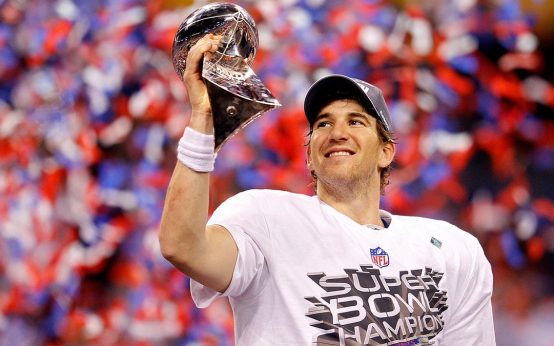 Giants’ Historic 2008 Upset Gets Spotlight in New Netflix Documentary
 AEW’s Blood and Guts: A Glimpse into the Brutal Spectacle
 Nationals Retain Jacob Young with Four-Year Contract
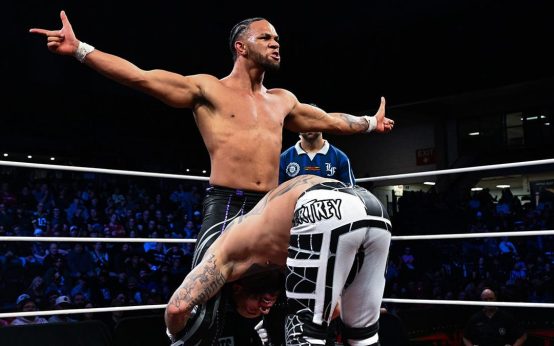 TNA Destination X: A Night of High Stakes and Intense Matches
 Kenneth Walker’s Injury and Impact on Kansas City Chiefs
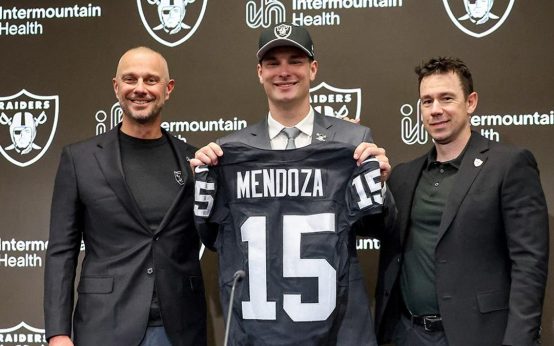 NFL’s Attempts at Embracing Diversity Through Spanish Feels Forced