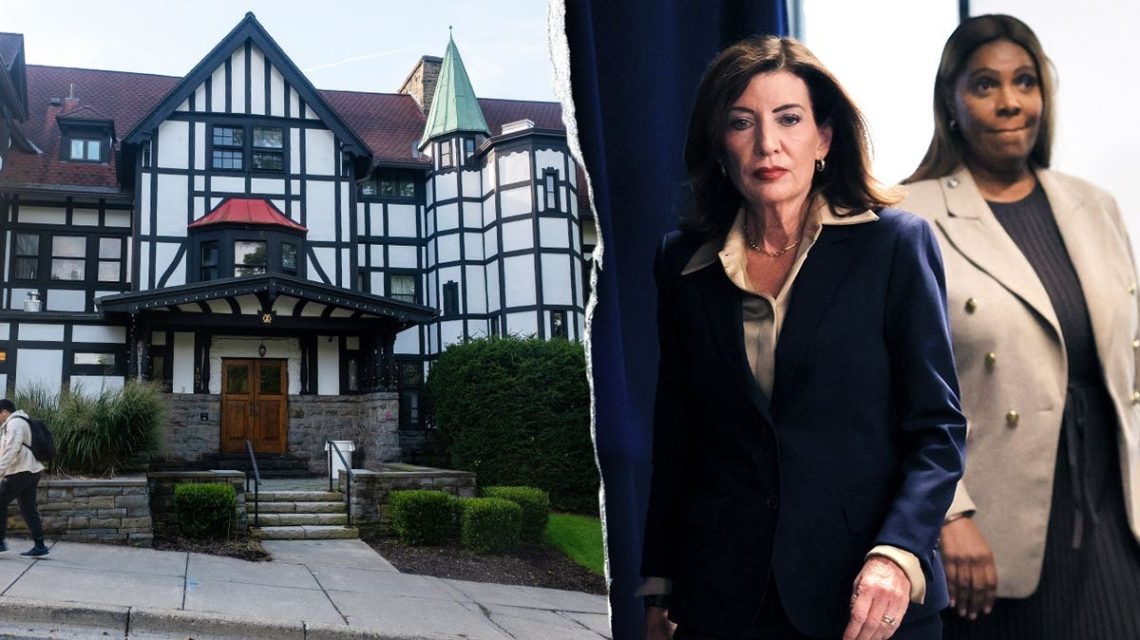
A case involving alleged sexual misconduct at Cornell University has drawn national attention. The incident involves seven former Chi Phi fraternity brothers accused of drugging and raping a female student during a 2024 fraternity event. The accuser, identified as Jane Doe in court documents, claims she was assaulted after being pressured into substance use. Although no criminal charges have been filed, the matter is at the center of a complex legal and cultural debate.
Conflicting Accounts and Legal Proceedings
There are starkly different versions of what occurred that night between Jane Doe’s allegations, the subsequent Cornell University investigation, and accounts from the accused men. Doe’s civil lawsuit details her arrival at the fraternity already intoxicated, allegedly leading to further substance use and non-consensual sexual acts. A critical point in the lawsuit references a Snapchat message allegedly sent by a fraternity member, suggesting Doe was being offered sexually to others.
Despite the lawsuit’s claims, no criminal charges have been initiated against the men. Matthew Van Houten, Tompkins County District Attorney, initially did not pursue charges, citing sworn statements by Doe implying her participation was voluntary. However, a later review of full transcripts revealed additional concerns, prompting a renewed investigation.
Cornell University’s Disciplinary Actions
Cornell University undertook its own disciplinary actions, which resulted in the expulsion of two accused students and the suspension of two others. The disciplinary outcomes were derived from the university’s Title IX process, involving a separate set of standards from the legal system. However, university decisions and processes have faced scrutiny and public criticism.
Recent Developments and Investigations
Following the resurfacing of the case, Jane Doe filed a detailed lawsuit, bringing the situation back into the public eye. Her lawsuit accuses not only the individual men but also Cornell University, the Chi Phi fraternity, and other entities, claiming they failed to safeguard her.
The ensuing outcry ignited further actions, including New York Governor Kathy Hochul’s executive order for a special prosecutor to investigate. The Attorney General’s office will lead this investigation, examining the facts and legal aspects deeply. Additionally, Cornell has announced an external review of its handling of the situation.
A separate Cornell survey highlighted a worrying climate concerning nonconsensual encounters on campus, eliciting broader discussions about campus safety.
As the case unfolds, it continues to evoke critical conversations surrounding consent and university responsibilities, while undergoing thorough legal examination.
 Larkin High School Unveils First Outdoor Sports Stadium
 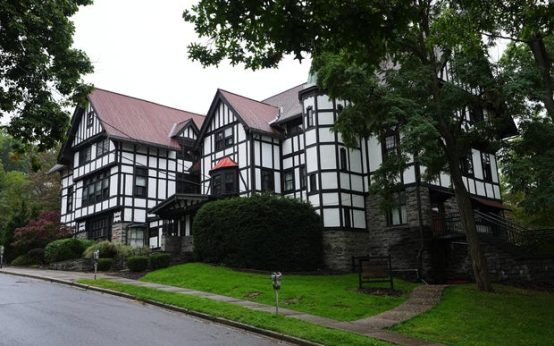 Cornell University Fraternity Faces Allegations in Sexual Assault Case
  Troy Swanson: Award-Winning Librarian Transforming Academic Libraries
 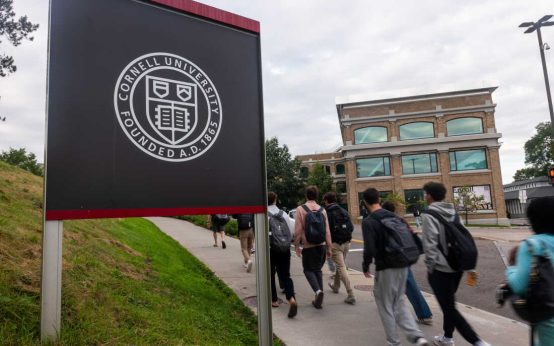 Cornell University to Investigate Handling of Alleged Assault Case
  Legal Challenge Against School Funding Inequalities in West Virginia
  Potential Changes Loom for School Voucher Programs