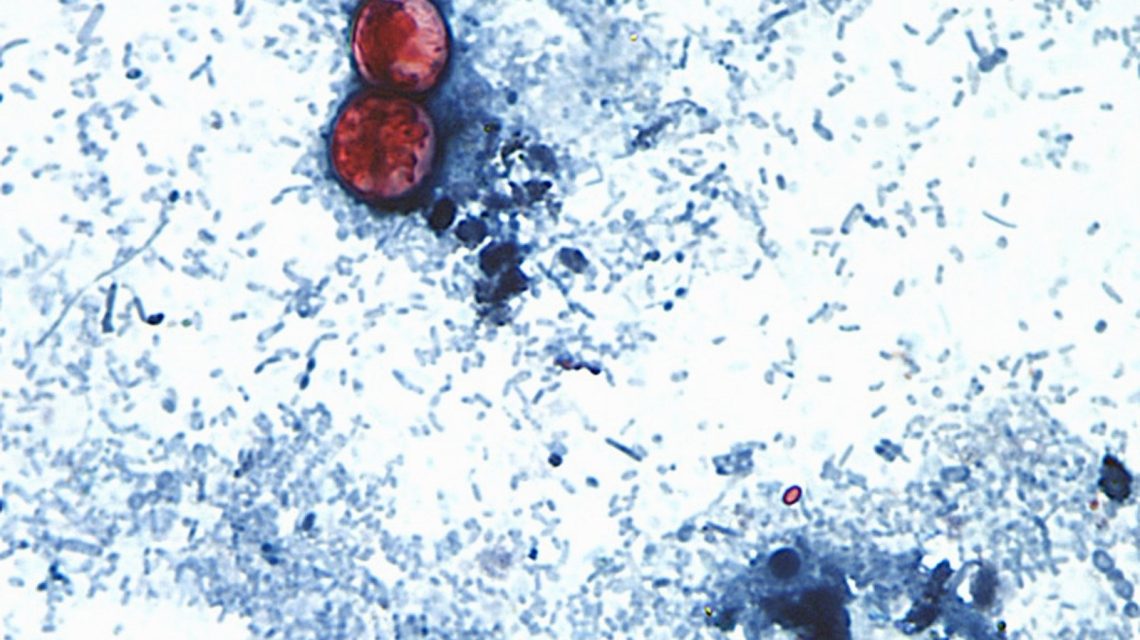
The U.S. Centers for Disease Control and Prevention (CDC) has reported that an outbreak of cyclospora, linked to iceberg lettuce, has impacted fifteen states. This includes the addition of Arkansas, Iowa, Missouri, Nebraska, New Hampshire, and North Carolina to the existing list. Previously affected states include Indiana, Kentucky, Michigan, Ohio, West Virginia, Illinois, Kansas, Oklahoma, and Pennsylvania.
Cyclosporiasis, a gastrointestinal illness caused by the microscopic parasite, has affected at least 47 states this year. Investigations are underway to determine how many cases are connected to a shared contaminated source. The CDC noted that 6,358 cases are linked to the contaminated lettuce, with over 278 hospitalizations. Sadly, Michigan reported two deaths.
The CDC initially identified shredded iceberg lettuce from Taco Bell as the outbreak’s source. Focus has since shifted to Taylor Farms, which has recalled iceberg lettuce produced in central Mexico. Nationally, 10,468 lab-confirmed domestic cyclosporiasis cases have been reported since May 1, with an additional 12,255 cases needing further investigation. Many reports come from Michigan.
What Is Cyclospora?
Cyclospora is a parasite found in food contaminated by human feces, frequent when produce is irrigated or washed with contaminated water. Upon ingestion, it causes intestinal issues with “frequent and sometimes explosive bowel movements,” according to the CDC.
How Many Cases Aren’t Reported?
The official counts reflect only laboratory-confirmed cases, but state data may also include probable cases. This could result in higher numbers than those reported by the CDC. There are over 12,000 additional cases needing confirmation or further analysis, including determining previous overseas travel of those affected. Many recover without medical treatment and remain untested, hence not counted.
Cyclosporiasis Diagnosis and Treatment
Symptoms usually appear about a week after exposure, although they can arise between two days and two weeks later. Without treatment, the illness can last over a month, with symptoms possibly recurring. Diagnosis requires stool testing, needing several samples and specialized tests not performed regularly.
Trimethoprim-sulfamethoxazole, sold as Bactrim or Septra, is the standard treatment. Rest and fluids are crucial for those with diarrhea. Individuals with weakened immune systems or other health issues might face more severe illness.
 Understanding Inflammation: Myths and Facts
  Calm Parenting: Strategies to Manage Stress
  Trump’s Executive Order to Combat Mosquitoes and Ticks in D.C.
  Overcoming Weight Loss Challenges: Brain Health and GLP-1 Medications
  Supporting Children’s Mental Health at Home: Practical Steps for Parents
  Abdul El-Sayed’s Strategy to Attract Health-Conscious Voters in Michigan