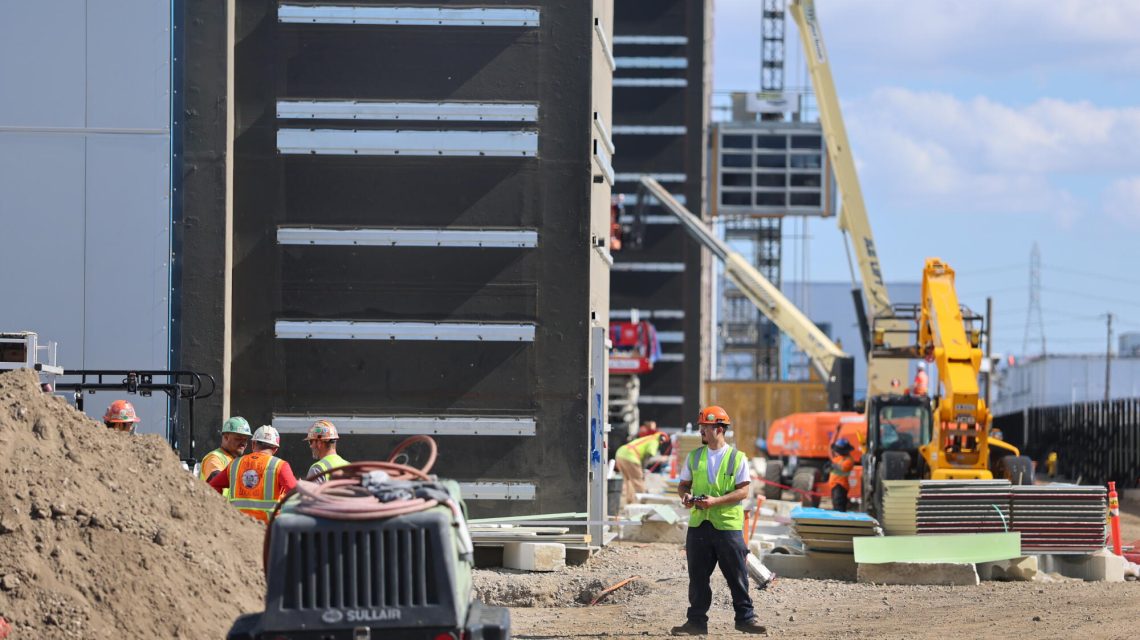
The city of Vernon, located south of downtown Los Angeles, is currently the sole location in the greater L.A. area where new data centers are being established. Primarily a hub for businesses, Vernon sees about 50,000 daily commuters while only approximately 300 people reside there. Its government is known for its pro-industry stance.
While many neighboring areas have placed moratoriums on data centers due to widespread opposition, Vernon remains welcoming. One data center operates, and five more are planned. However, even Vernon is feeling some resistance against data centers.
Typically, developments in Vernon proceed with minimal restrictions, aligning with the city’s business-friendly policies. But a recent city council meeting considered zoning changes, requiring environmental reviews for data centers. Vernon Mayor Pro Tem Jesus Rivera highlighted the necessity for regulations regarding data centers.
“We definitely need some regulations for the data centers,” said Vernon Mayor Pro Tem Jesus Rivera.
In December, Vernon’s public utility halted processing new data center grid connection requests, indicating possible policy shifts. The city’s review process was influenced by community concerns over the strain on electric and water resources, emissions, backup generator noise, and the limited permanent jobs created by data centers.
Chamber of Commerce President Marisa Olguin echoed these concerns, emphasizing the need for greater community awareness and understanding of new developments.
“Even the Vernon employers, residents, businesses, those who work in Vernon, are concerned,” noted Olguin.
Data centers must operate continuously, necessitating backup power, typically from diesel generators. These emit pollutants like soot and nitrogen oxide. The South Coast Air Quality Management District has allowed 52 diesel generators at three data centers in Vernon, permitted for emergency operations and up to 50 hours annually for testing.
Nearby communities, such as Boyle Heights and Southeast L.A. suburbs like Maywood and Huntington Park, have long opposed pollution from Vernon’s industries. This sentiment includes historical cases like the closure of the Exide lead-battery recycling plant in 2015. Traditionally, Vernon saw little internal opposition as many residents worked for the city or lived in city-owned housing.
However, the data center debate is gaining traction. Los Angeles Unified School District, the nation’s second-largest, opposed a data center near Vernon City Elementary School, citing potential impacts from noise, pollution, and construction dust.
The district has urged Vernon to delay the construction of Digital Realty’s proposed 217,800-square-foot data center until a full environmental assessment occurs. Pedro Salcido, a deputy superintendent, cited the need to evaluate the development’s potential effects.
In a UC Riverside report, data center backup generators’ health costs were estimated at $33 million in 2023, with a third attributed to the Los Angeles area.
The only school in Vernon, Vernon City Elementary, serves 144 students with special needs amidst industrial surroundings. The school sits near Prime Data Centers’ facility, which uses up to 49.5 megawatts, equivalent to powering 26,000 homes annually.
Vernon partners, including Digital Realty, argue their data centers meet city zoning requirements, negating formal environmental reviews. Richard Hartnett, a Digital Realty spokesperson, asserted transparency in addressing community concerns.
Other developments include projects by CoreSite Real Estate, SCIND Fruitland Point LLC, and Goodman Group. Goodman’s nearly complete project will soon begin operations, while another plans substantial energy use exemptions for diesel generators.
Communities for a Better Environment lawyer Vanessa Vasquez criticized the city’s approval processes, citing health risks.
“Vernon’s current approval process does not protect people’s health,” Vasquez noted.
The City Council will soon hold public hearings to explore mandatory environmental reviews for future data centers. The outcome may contradict recommendations from the Business and Industry Commission, where opinions vary. Some advocate for attracting business and imposing taxes, while others call for zoning reforms to guide Vernon’s growth.
 The Jensen Huang Controversy: Silicon Valley’s Divided Opinion
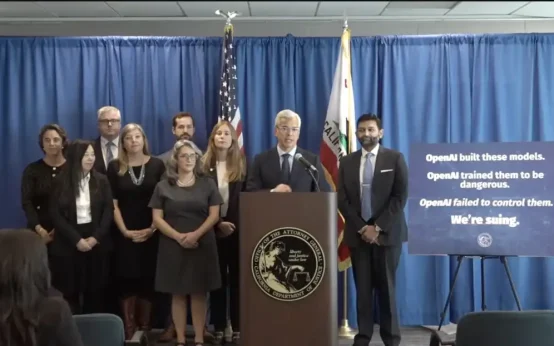 California Lawsuit Against OpenAI: Key Details and Implications
 Updates on Key International and Domestic Events
 E.l.f. Cosmetics Breaks Makeup World Record at TwitchCon
 Understanding Credit Freeze, Fraud Alert, and Identity Monitoring
 U.S. Restricts Remote Access to AI Chips Amid National Security Concerns