
Americans often make beer and wine at home. However, crafting whiskey or gin at home is illegal. A statute over 150 years old bans home distillation of spirits.
John Ream from Ohio, once an aerospace engineer and now a home-brewer, questions this difference in legality. He wants to produce small batches of spirits for personal use. “It’s legal to brew beer or make wine. Yet, producing even one ounce of distilled spirits at home is a federal felony,” said Robert Alt, Ream’s attorney.
Ream’s journey into home brewing started with a kit from his fiancée. “Brewing merges art and science, which my engineering mind loves,” Ream shared. They went on to start Trek Brewing Company in Newark, Ohio. As Ream looked into home distillation, he faced restrictive laws.
While home brewing of beer and wine is legal, distilling spirits at home is not. Breaking this law can bring fines and prison time. The home-brewing community noticed this discrepancy.
“This is a chance to celebrate freedom and limited government,” said Alt.
The American Homebrewers Association, without taking a stance, acknowledges that some of its members distill at home. It encourages educating and ensuring safety for such hobbies.
Federal law treats distilled spirits differently due to historical reasons. Treaties on the federal taxation of spirits started in 1791, leading to the Whiskey Rebellion. By 1868, as a remedy for tax concerns, Congress banned home production of distilled spirits.
Two different federal appeals courts present conflicting conclusions on this matter. Recently, the Sixth Circuit ruled against Ream, supporting tax collection through restrictions. Meanwhile, the Fifth Circuit disagreed, challenging Congress’s taxing rationale for the prohibition.
Both cases have reached the Supreme Court, yet the justices have neither confirmed nor dismissed them. Alt remarked, “Each year, the Supreme Court receives over 7,000 petitions, but hears about 60 cases.” The federal government views the restriction as necessary for excise tax collection, keeping spirits production outside homes.
Advocates like Ream argue that enforcing these taxes does not permit Congress to ban the hobby outright. The final decision on this legal debate might impact home brewers transitioning to spirits. Ream’s case awaits potential consideration by the Supreme Court.
 Review: Stokke Nighti 3-in-1 Convertible Cot Bed
  Embrace Failure: Turning Setbacks into Success
 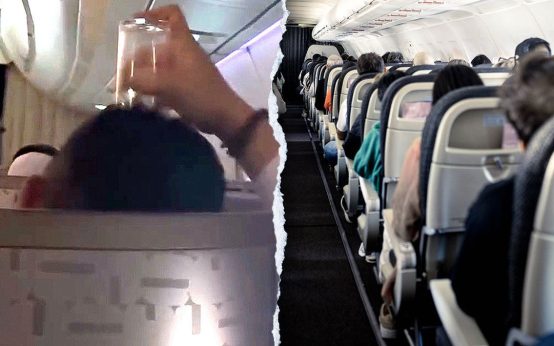 Unusual In-Flight Behavior Leaves Passengers Stunned
 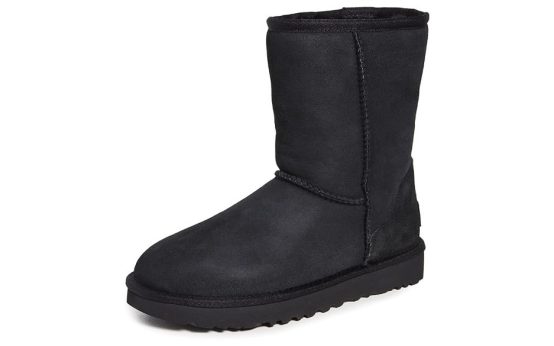 Choosing the Perfect Ugg Boots for Comfort and Style
  Understanding Food Safety: Tips for Preserving Groceries
  Royal Caribbean Cancels Costa Maya Stop, Divides Passenger Opinions