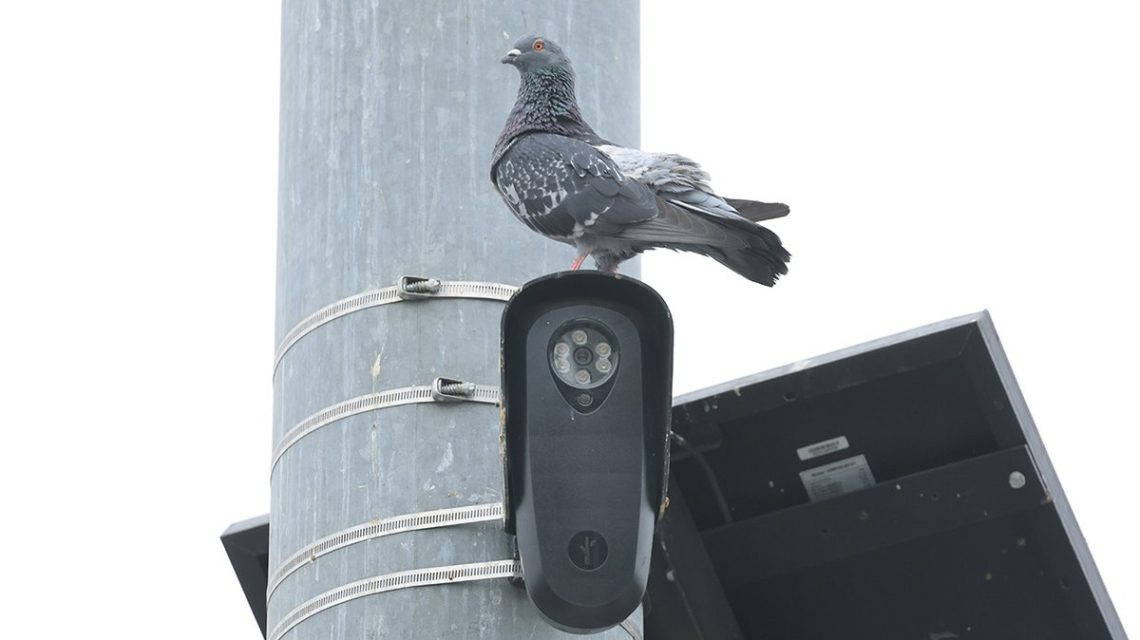
A growing national debate over privacy has emerged, uniting various political factions. The focal point is Automatic License Plate Reader (ALPR) technology, a tool that millions of Americans encounter daily. Concerns about ALPRs have reached lawmakers in Washington, fueled by privacy advocates who warn that advancements in artificial intelligence (AI) are pushing the limits of what these devices can legally ascertain about drivers.
Flock Safety, a prominent ALPR company, has faced criticism amid media chatter and political scrutiny. Reports of Flock cameras being misused have captured public attention. There’s cameras everywhere, people know that, but if law enforcement can monitor the comings and goings of citizens, I think that’s wrong,
said Rep. Greg Steube, R-Fla., expressing concerns about potential violations of constitutional rights.
ALPRs automatically capture and process vehicle and location data on public roads without drivers’ consent. Advocates see them as vital for public safety, collecting minimal information, while opponents argue they represent excessive surveillance.
Rep. Keith Self, R-Texas, emphasized technological advancements, stating, These cameras are well beyond an automated license plate reader today…
Progressive voices like Rep. Delia Ramirez, D-Ill., warned of threats to democracy due to mass surveillance technology gaining ground.
The debate on ALPRs surfaced on the campaign trail before midterm elections, with candidates using the issue to gain support. Will Lawrence, a Democrat in Michigan, pledged to fight mass surveillance, while Abdul El-Sayed, Senate hopeful in Michigan, criticized the unchecked proliferation of surveillance cameras.
On Capitol Hill, legislative actions are underway in response to ALPR concerns. Lawmakers are introducing bills to regulate their use, driven by cases of misuse and privacy violations.
Despite Flock Safety’s positive contributions to crime prevention, negative incidents have spurred action to sever ties with the company in jurisdictions across the U.S. Flock has defended its stance, highlighting successful cases where technology aided law enforcement.
Flock Safety CEO Garrett Langley advocates for legal regulation and accountability, likening outright bans to banning all vehicles. The debate sees supporters highlighting ALPRs as effective crime-fighting tools with proposed limitations to curb misuse.
Rafael Mangual from the Manhattan Institute supports ALPRs, noting their benefits outweigh instances of abuse. He disputes Fourth Amendment violation claims, arguing current usage doesn’t breach legal standards.
Jim Pasco from the National Fraternal Order of Police warned against hasty policy-making during elections, emphasizing careful analysis of risks and benefits.
Fox News politics reporter Elizabeth Elkind contributed to coverage of the House of Representatives, bringing insights into the legislative aspects of the ALPR debate.
 Maryland First State to Restrict Electronic Pricing in Grocery Stores
  Activists Push for Nationwide Ban on Child Marriage in the U.S.
  Democratic Hopes and Historical Warnings in 2026 Senate Race
  Republicans Face Challenges Amidst Cost of Living Concerns
  A Different Kind of Fall for Congress This Year
  Cornel West and Sean Hannity Discuss Differences on Podcast