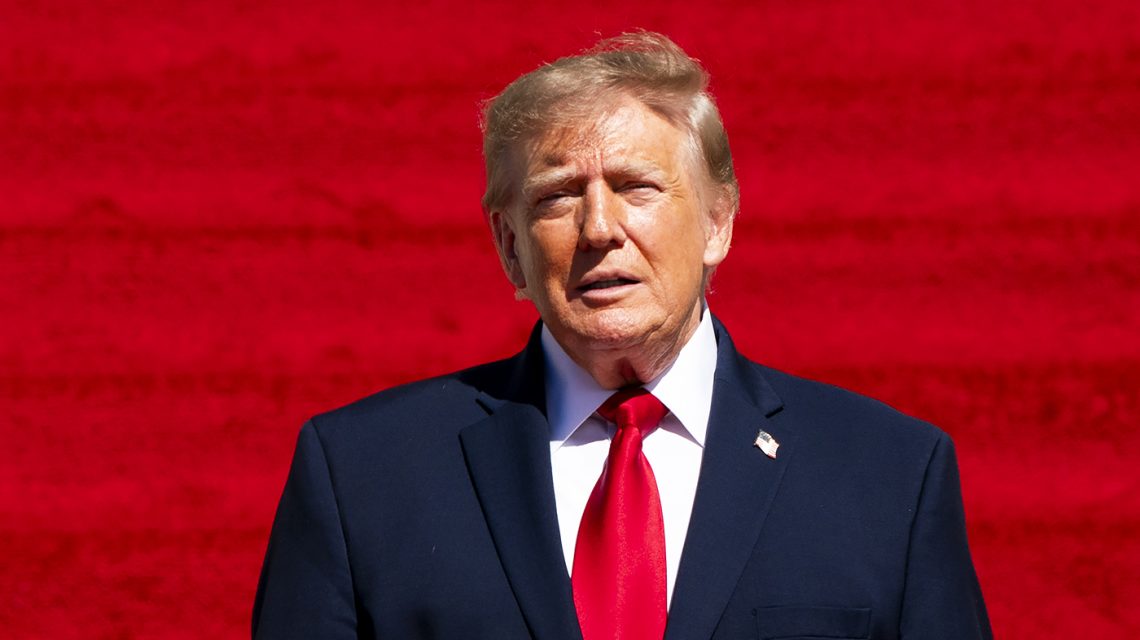
In September 2026, President Trump posed with Chinese President Xi Jinping during a state visit in Washington, D.C. At the same time, Congress was facing a critical deadline. By September 30, it needed to reauthorize the Lautenberg Amendment. This refugee program has aided Jews escaping antisemitism in Iran for decades. However, the Trump administration had effectively halted it by closing the processing centers essential for its operation.
The Lautenberg-Specter program, established in 1990, initially assisted persecuted Jews and Christians in the Soviet Union with family reunification in the U.S. It expanded in 2004 to include religious minorities in Iran and has since been reauthorized on a bipartisan basis. Yet, the threat it addresses persists. Notably, Sen. Tom Cotton described Iran as “the worst source of antisemitism in the world.” The U.S. Commission on International Religious Freedom reports Iran’s involvement in a “global campaign of antisemitism,” targeting Jews and Jewish sites.
Despite these facts, the Trump administration closed down avenues to aid persecuted individuals. The Lautenberg-Specter program never operated with an open-door policy. Those from Iran’s religious minorities had to begin their journey with a U.S.-based sponsor, usually a family member or friend prepared to support them. Jews, Christians, Baha’is, Zoroastrians, and Sabean Mandaeans initiated their applications in Iran. Due to the absence of a U.S. embassy in Iran, they traveled to Austria for further processing.
In Vienna, the Resettlement Support Center managed applications. It undertook the preparation and processing of documents, arranged interviews with U.S. officials, facilitated mandatory medical examinations, and assisted in completing paperwork for U.S. placement. American law enforcement conducted background and security checks. From 2001 to 2025, over 33,000 members of Iran’s religious minorities passed through this system.
The abrupt halt came when the State Department ended the grant funding this center. Managed by the Hebrew Immigrant Aid Society alongside the government for over 25 years, the center supported over 14,000 Iranians still in process. Without it, the society lost access to crucial government data, hindering its ability to track individual cases. Current advice directs applicants needing case updates to the State Department or congressional representatives.
Recent events added urgency to this scenario. Increased hostility in Iran since the recent conflict with Israel has led to over 20,000 arrests, including among Baha’i, Christian, and Jewish minorities. Baha’is faced arrests and interrogations, their properties were raided, and in Urmia, authorities closed businesses for observing religious holidays. Jews in Tehran and Shiraz were summoned for questioning about Israeli relatives and faced espionage accusations. Christian arrests rose sharply following the war.
The international scope of this campaign had Azerbaijan as a target. In January 2025, a Georgian recruit received a proposal to assassinate Rabbi Shneor Segal for $200,000 from Iran’s Quds Force. Azerbaijani authorities disrupted this plot.
Trump’s policies on travel from Iran include exceptions for persecuted ethnic and religious minorities eligible for immigrant visas. During his second presidency, Trump publicly prioritized combating antisemitism, establishing a federal task force and leveraging legal avenues.
Yet in practice, as seen in Iran, longstanding support programs were dismantled. Jews watched as familial and personal safety became jeopardized without the protection these programs provided. As September drew to a close, many hoped Congress would reauthorize the Lautenberg Amendment and that the administration would restore essential processing centers.
Approximately 14,000 individuals and their American families awaited signs of whether Trump’s commitments to fighting antisemitism translated to genuine action, especially when lives were at stake.
Mia Emmunah Toubian is an Iranian American journalist and human-rights researcher, noted for her work at Harvard Medical School on women political prisoners in Iran. Jason Bryan Silverstein, a writer and anthropologist focused on health and human rights, directs the Media, Medicine, and Health Program at Harvard Medical School.
Copyright 2026 Nexstar Media Inc. All rights reserved. This material is not for reproduction without permission.
 The Trump Team’s Challenge to the Military Leadership
  Maryland First State to Restrict Electronic Pricing in Grocery Stores
  British Police Arrest Man Suspected of Terror Plot
  Activists Push for Nationwide Ban on Child Marriage in the U.S.
  Democratic Hopes and Historical Warnings in 2026 Senate Race
  Republicans Face Challenges Amidst Cost of Living Concerns