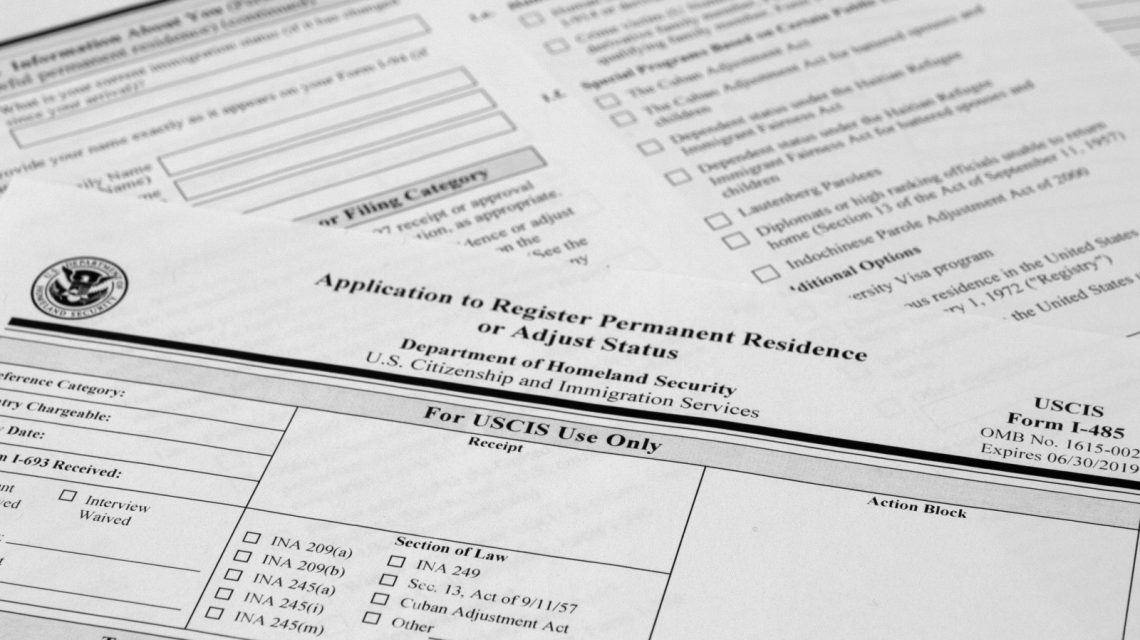
A new analysis of the U.S. employment-based immigration system projects significant delays for some permanent residency applicants. Professionals from India face particularly long waits due to visa backlogs and limits on the number of green cards issued annually.
The National Foundation for American Policy (NFAP) conducted this analysis, focusing on backlogs in the EB-1, EB-2, and EB-3 categories. The report estimates a highly skilled worker from India with applications filed in January 2026 or later might wait up to 179 years in EB-2, 38 years in EB-3, and four to five years in EB-1.
Reasons for Delays
NFAP attributes these delays to accumulated backlogs over many years. This issue arises from an annual cap on employment-based visas, per-country limits, and ongoing demand for skilled foreign professionals. Indians entering the EB-2 or EB-3 queues in 2025 or 2026 could wait decades if laws remain unchanged.
The U.S. State Department informed Newsweek that reaching annual visa limits before fiscal year-end is a common occurrence. They notify applicants and employers online when limits are reached.
Impact of Recent Policies
The Trump administration’s policies have tightened rules across several legal immigration pathways. This includes increased scrutiny, higher fees, and more robust vetting of employment-based visa and green card applications. The administration portrays every visa decision as a national security decision and processes all applications in line with statutory requirements and the petition’s filing date.
Backlog Statistics
“By December 2025, the backlog in these categories reached 1.26 million people, a 20.6% increase from 1.05 million in April 2020.”
The EB-2 category backlog increased by 22.9% during the period, while the EB-3 backlog rose by 30.1%. In contrast, the EB-1 backlog decreased by 16.6%.
Indians form the largest share of the backlog, with nearly 1 million Indian nationals waiting for green cards by December 2025, accounting for about 79% of the total backlog in the three categories.
Projections for Other Countries
For 2026 filers, wait times vary by country and visa category. Chinese nationals face waits of five years in EB-1, 25 years in EB-2, and seven years in EB-3. Filipinos have much shorter expected waits: zero years in EB-1, about 0.3 years in EB-2, and six years in EB-3.
The NFAP emphasizes that these are projections. Actual wait times depend on priority dates, future demand, legal changes, and visa number availability. Processing times were not included in these estimates.
Causes of Backlogs
The backlog owes to two main features of U.S. immigration law:
- The annual limit of 140,000 employment-based green cards, fixed by Congress in 1990, includes principal applicants, spouses, and children.
- The per-country cap limits nationals of a single country to no more than 7% of available immigrant visas per fiscal year.
This has disproportionately affected workers from populous countries like India, China, and the Philippines, as they vie for the same annual allocation as smaller countries.
The backlog has accumulated over time, illustrated by more than 98,000 Indians in the EB-2 category being approved in fiscal year 2016. However, only 4,407 received permanent residence in that year, adding over 90,000 to the queue.
Visa Bulletin Details
For September 2026, the Visa Bulletin lists:
- EB-1 final action date: October 15, 2022, for India; July 1, 2023, for China; remains current for the Philippines and others.
- EB-2 status: Unavailable for India; September 1, 2021, for China; current for the Philippines and other areas.
- EB-3 final action date: January 1, 2014, for India; January 1, 2022, for China; August 1, 2023, for the Philippines.
The State Department clarifies that the bulletin does not guarantee status, interview appointments, or visa approval. Immigration processes focus on security and public safety, influencing nation-specific visa issuance rates.
Increased visa availability between fiscal years 2020 and 2024, due to unused family-sponsored visa numbers, failed to curb backlog growth. The NFAP concludes that unless laws change, these backlogs will persist, and foreign professionals might wait years or decades for residency based on their visa category and country of birth.
For further details, contact Newsweek editors Tobias Meyjes and Anthony Murray.
 Becerra and Hilton Clash in California Gubernatorial Debate
  California Voters to Decide on $7.5 Billion State Research Fund
  Highlights from the California Gubernatorial Debate: Becerra vs. Hilton
  Becerra vs. Hilton: The Debate and Key Issues in the California Governor Race
  Senate Confirms New Labor Secretary
  Hegseth’s Ambitious Military Initiatives to Reshape Warfare