The Democratic primary in Pennsylvania’s 7th Congressional District has become a focal point of internal party dynamics, highlighting contrasting approaches and candidate profiles ahead of the 2026 midterms. Bob Brooks and Ryan Crosswell present different narratives as they vie for voter support.
Brooks’ Working-Class Appeal
Bob Brooks, head of the state firefighters union, positions himself as a representative of the working class. With a history of labor since childhood, he calls for sending people like him to Washington to combat systemic imbalances. Brooks garners significant support from party leaders such as Sen. Bernie Sanders and Gov. Josh Shapiro, who believe he resonates with concerns of the district’s voters about economic hardships.
Brooks stands out as someone with real-life experiences shared by many constituents. He contrasts himself with political elites, aiming to attract voters who may feel disconnected from traditional party candidates.
Crosswell’s Anti-Corruption Stance
In contrast, Ryan Crosswell, a Marine veteran and former federal prosecutor, focuses on lawlessness and corruption, highlighting his resignation from the Justice Department over a halted corruption case. Crosswell presents himself as a candidate who’s already taken a stand against what he describes as a lawless administration.
His message of standing up against corruption positions him well with donors, driving significant fundraising efforts. However, Crosswell faces challenges in connecting with the broader district electorate.
Diverse Candidate Field
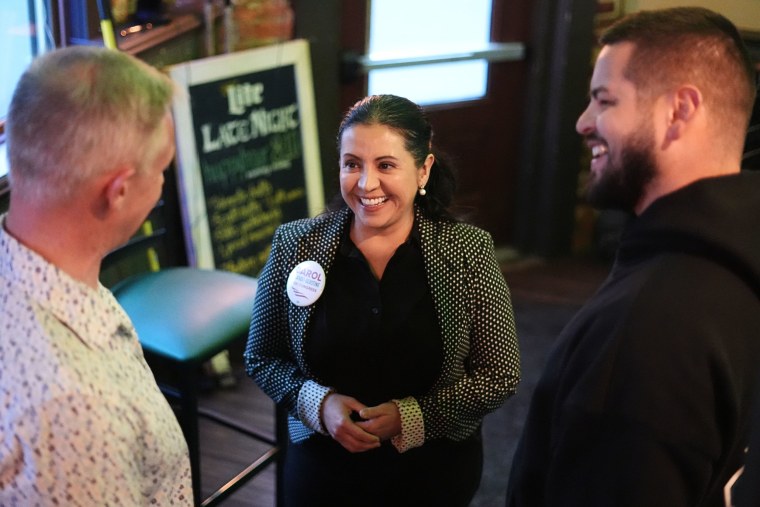
In addition to Brooks and Crosswell, the primary features former Northampton County Executive Lamont McClure and Carol Obando-Derstine, an engineer with a history in political aide roles. Obando-Derstine focuses on leveraging ties within the Latino community, which constitutes a substantial portion of the district’s demographic.
The primary has brought to light how various sectors’ interests are represented within the Democratic Party, with endorsements varying widely among the candidates.
The Democratic Party’s Strategic Considerations
This race marks an essential test case for the Democratic Party, exploring which type of candidate can better bridge the divide between traditional party bases and broader voter segments. While Brooks aligns with working-class roots, Crosswell offers a more conventional anti-corruption platform typical of candidates from previous election cycles.
Support from prominent figures like Sanders and Shapiro indicates a strategic investment in candidates perceived as more relatable to voters’ economic concerns.
Controversies and Campaign Dynamics
The campaign has not been without controversy, particularly for Brooks, who faced scrutiny over past statements and financial disclosures. Despite this, his campaign continues to receive robust backing from prominent Democratic figures.
As the primary approaches, the contest remains tight, with each candidate leveraging their unique backgrounds and endorsements to appeal to an electorate reflective of divergent viewpoints within the party.
The outcome will not only determine who challenges incumbent Republican Rep. Ryan Mackenzie but also offer insights into the evolving strategies within the Democratic Party as it adapts to a changing political landscape.
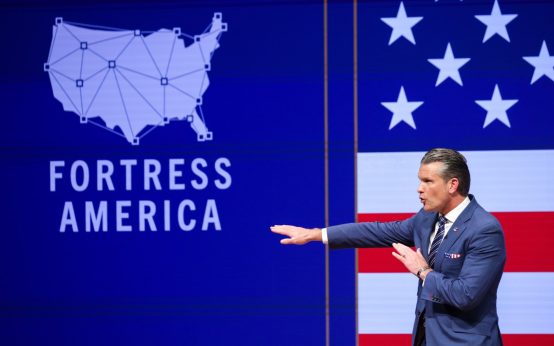 Hegseth’s Ambitious Military Initiatives to Reshape Warfare
 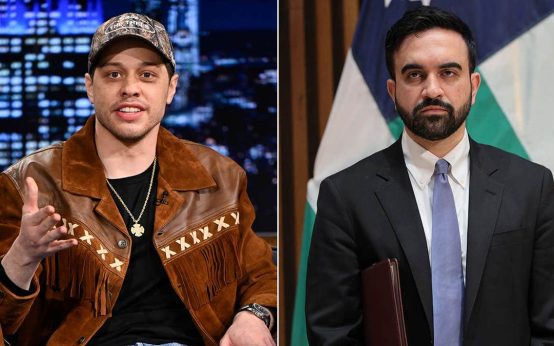 Pete Davidson Criticizes NYC Mayor Zohran Mamdani Over BQE Construction
 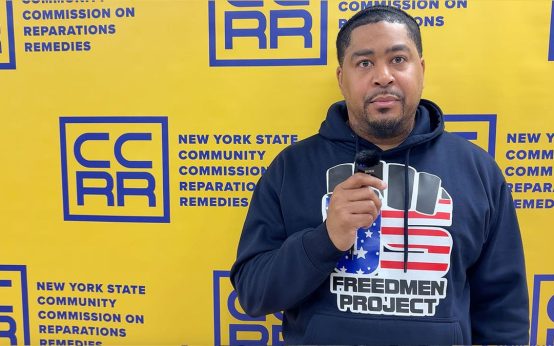 Push for Reparations Faces Challenges and Calls for Strict Eligibility
  Xavier Becerra and Steve Hilton Debate on California’s Future
  Wisconsin Gubernatorial Race: Tiffany vs. Crowley in a Tight Contest
  California Gubernatorial Debate: Becerra vs Hilton