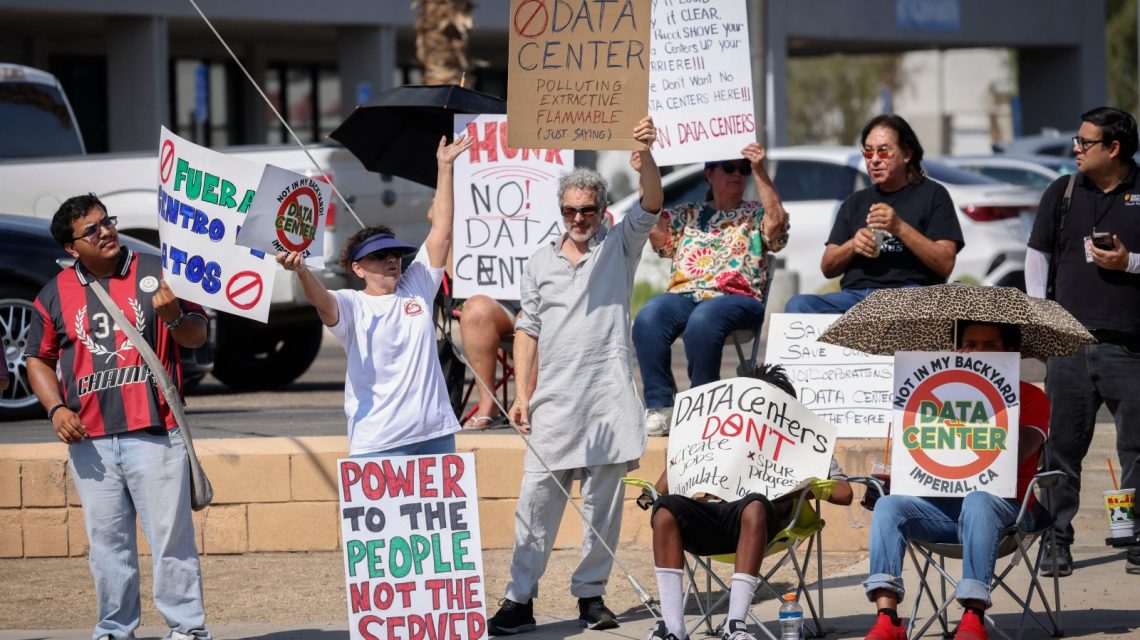
After recent midterm elections, during which Democrats gained control of both chambers of Congress, discussions have turned to how they might pursue stricter regulations for the burgeoning data center industry. Data centers became a focal point in races and ballot measures across the U.S. Several prominent Democrats supported proposals to limit development or shift some operational costs back to the data center operators.
Building such facilities offers job creation, attracts infrastructure investments, and boosts tax revenue, yet there are national concerns. Residents worry about impacts on electricity bills, high water usage, and noise affecting nearby areas.
“Americans have expressed clear concerns over data center development,” said Kathryn Kline Tyndall, associate director of the Bipartisan Policy Center’s Energy Program in Washington, D.C.
Analysts observed that candidates favoring data center acceleration often lost their elections. A Newsweek examination found data centers featured in 41 ballot measures in 10 states, including California, Florida, Illinois, and New Jersey. Most voters supported some restrictions.
“Post-election, the data center industry must adapt to new political circumstances,” noted John Ashford, CEO of public affairs firm Hawthorn Group.
Democratic Strategies for Regulation
While it’s premature to predict precise regulatory actions, proposals by congressional Democrats reveal insight. Vermont Senator Bernie Sanders and New York Representative Alexandria Ocasio-Cortez proposed halting new AI data center construction. New Jersey Representative Frank Pallone Jr. also supported a stoppage.
The Ratepayer Protection Act, deemed inadequate by Senate Democrats, faced opposition. Instead, Democrats backed stronger measures like the GRID Savings Act, mandating centers using 150 megawatts cover grid costs, and the bipartisan GRID Act, blocking new centers using over 20 megawatts from grid access.
“Voluntary standards won’t suffice for many Democrats, signaling likely pushes for federal mandates,” said Ed Tarnowski, a resident fellow with the R Street Institute.
Lauren Bridges, from the University of Virginia, highlighted three voter concern areas where Democrats might seek reform. The first could protect ratepayers by setting distinct rate structures for data centers, disallowing cost transfers, imposing taxes, or altering tax incentives.
Enforcement of environmental protections through monitoring standards and water impact assessments could increase. Additionally, Democratic oversight may enhance data center approval processes, remove non-disclosure agreements, and enforce public transparency with independent impact evaluations.
“Democrats might pause developments to balance community, environmental, and economic needs,” stated Tim Profeta from Duke University’s Nicholas Institute.
Virginia and New Jersey’s Democratic governors have already announced stricter project accountability frameworks. Profeta pointed out that AI-driven infrastructure projects pose a significant opportunity for advancements in clean energy technology and grid resilience, amidst environmental and affordability challenges.
 Mayor Mamdani’s Policing Reform Plans
 Gen Z Voter Shifts and Their Impact on the 2026 Midterm Elections
 Disappearance of US Senate Candidate Raises Questions
 DOJ Rule Change Reduces Appeal Time for Immigrants Facing Deportation
 Hakeem Jeffries’ Bid for House Speaker Faces Progressive Hurdles
 Ohio Judge Dismisses Defamation Lawsuit by Rep. Max Miller