
With 100 days until the midterms, the strategic direction of both major political parties is becoming evident. While Democrats have honed a clear narrative, focusing on affordability, Republicans appear uncertain about their overarching message.
The Urban Institute released data showing more Americans using credit cards to cover rising food costs.
Republicans have a host of compelling issues such as immigration, crime, and government spending. However, the multitude of these topics does not yet coalesce into a singular, cohesive story for voters.
Democrats Simplify with Affordability
Democrats have streamlined their narrative to focus on affordability. They connect housing, groceries, health care, insurance, and child care under this theme. This approach provides a clear lens for voters regarding rising costs.
“People simplify their decision-making process,” says a communication expert. “They look for one idea that makes sense of everything else.”
The narrative of affordability resonates broadly with the electorate, allowing every headline about inflation to reinforce their central message.
Republicans Offer a Menu, Not a Message
While Republicans have several important issues, these remain individual topics rather than a unified message. Historically, clarity tends to prevail in persuasion.
“Clarity almost always wins,” says a persuasion specialist.
The closest Republicans have come to a national narrative challenges the Democrats’ extremity and expansionist government approach, but this starts with Democrats rather than voters.
A Fundamental Difference in Approach
Democrats focus their message directly on voter concerns about affordability. Americans are questioning current living costs and wondering about their economic future.
“Most Americans aren’t asking about political ideologies,” states a political analyst. “They’re asking about everyday costs.”
Democrats have successfully associated all issues back to affordability, gaining an advantage in defining the election’s focus.
The Implications for the Election
The next 100 days are crucial in shaping which narrative dominates voter perception. Historically, elections are often won by the party that provides a simple way to comprehend the current political climate.
 Backlash Against Trump’s White House Photos
 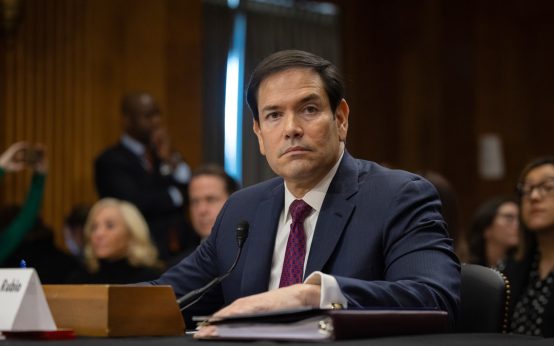 State Department Accuses Senate Democrats of ‘Grandstanding’ Over Venezuela Oil Deal
  Texas Senate Candidates Address Attacks with New Ads
  Republicans Withdraw Financial Support from North Carolina Senate Campaign
  Defense Secretary Ensures Military Votes Are Counted
  The Trump Team’s Challenge to the Military Leadership