Last week, Karmelo Anthony was convicted for the fatal stabbing of Austin Metcalf at a high school track meet in Frisco, Texas. He received a 35-year prison sentence. New evidence released offers a closer look at what influenced the jury’s decision.
Background and Events Leading to the Incident
On April 2, 2025, hours before the stabbing, Anthony’s girlfriend, Valeria Torres Perez, reported to the school staff that Anthony was stalking her. According to a court document, Anthony sent her text messages indicating he was ‘on the verge’ of something, although the nature of his intentions was unclear.
In December 2023, messages attributed to Anthony revealed violent tendencies, stating he ‘sees red’ and ‘blacks out’ when angry.
Evidence and Alleged Prior Conduct
Prosecutors cited numerous past incidents, intending to use them in trial. These included alleged threats, assaults, and communications involving weapons.
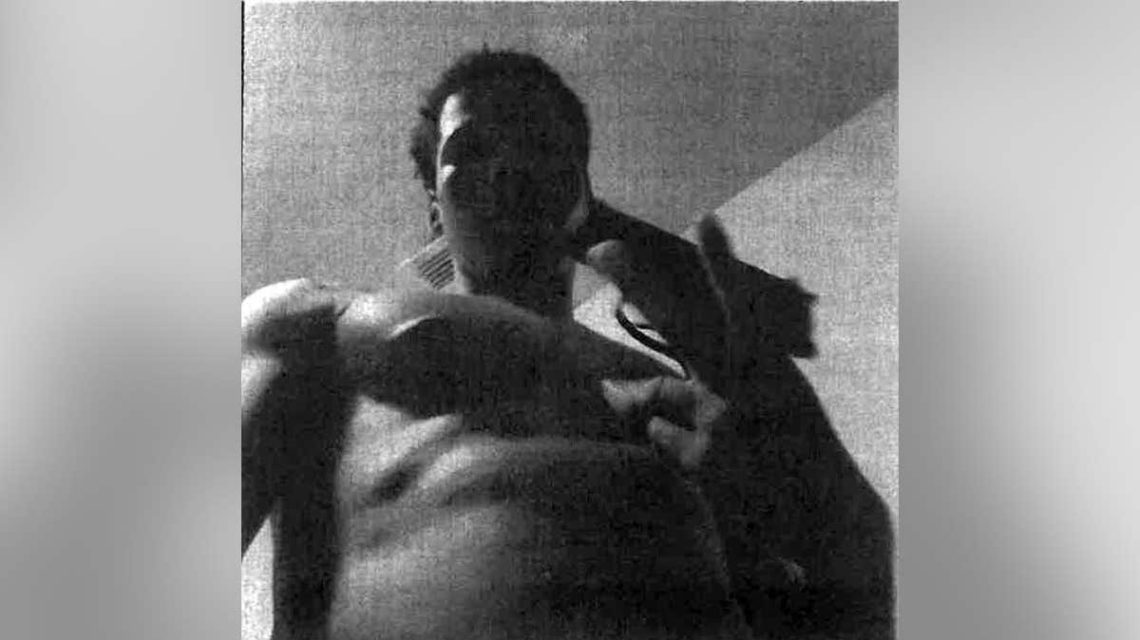
The court filing referred to an alleged obsession with knives and guns. It included images from November 2024 showing Anthony holding firearms. In another incident, Anthony threatened a person online related to the stabbing of his cousin.
Messages in early 2025 depict threats directed at Perez involving firearms, including one saying, ‘how many bullets you want in your chest.’
Threats and Violent Actions
The fall of 2024 saw Anthony allegedly making threats involving a gun and plotting harmful acts toward others. By February 2025, Anthony discussed buying firearms with other contacts. Messages to Perez became increasingly threatening, and by March 2025, included statements about murder.
An exchange in March 2025 showed plans for a robbery, indicative of a pattern of violence.
Trial and Conviction
During the trial, the prosecution painted a picture of Anthony’s history of violence, helping lead to the conviction. Despite appealing the verdict, the jury’s decision factored in these longstanding patterns of behavior.
Anthony’s defense claimed self-defense, but the trial’s proceedings and evidence about prior conduct undermined this claim.
Conclusion and Ongoing Legal Proceedings
The court documents provided no formal mental health diagnosis but laid out a pattern of behavior prosecutors deemed critical to the case. Anthony’s legal team, led by attorney Russell Wilson, has not publicly commented on the appeal details.