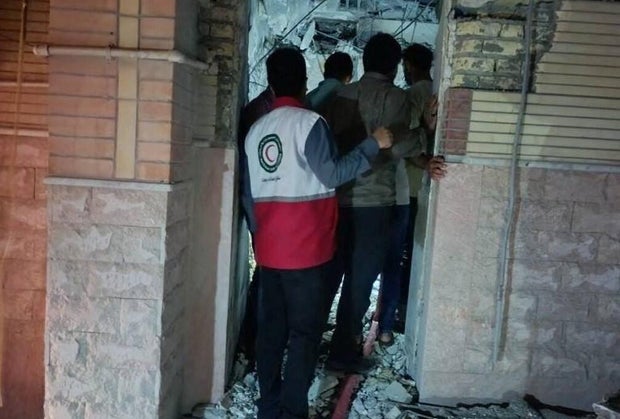
As tensions in the Middle East escalate, Iranian officials reported a controversial incident on Wednesday, claiming a U.S. airstrike targeted a wedding celebration in southern Iran, resulting in over 50 casualties. This has raised significant concerns and prompted retaliatory measures from Iran against U.S. allies in the region.
Iran’s Retaliatory Strikes on U.S. Allies
In response to the U.S. airstrike claims, Iran targeted allies including Jordan, the United Arab Emirates, and Kuwait. The Iranian Revolutionary Guard Corps reportedly launched attacks on bases where U.S. troops were stationed. However, U.S. Central Command rebutted these claims, clarifying that some listed bases do not host U.S. personnel.
Iran’s claimed missile strike on Camp Tabrin is one example, as Central Command dismissed the base’s involvement. Jordan, a key U.S. ally, confirmed that missiles were intercepted or landed without damage. Similarly, Bahrain confirmed the interception of Iranian drones.
Iranian Claims and U.S. Response
Iran’s Foreign Ministry has accused the U.S. of striking a wedding party in Kuhestak, asserting over 50 individuals were affected. Iran’s Foreign Ministry spokesperson described the attack as brutal and a continuation of alleged U.S. atrocities, similar to the earlier strike on a school leading to children casualties.
The spokesperson warned against normalizing such actions, urging for a strong response and cautioning those silent about the events might face future repercussions.
Oil Market Impacts
The conflict has significantly impacted oil prices, with Brent crude oil trading close to $96 a barrel, reflecting a 40% increase from the previous year. This surge is attributed to renewed hostilities, affecting global oil supply routes, particularly through the Strait of Hormuz.
U.S. Positions and Statements
President Trump has reinforced his stance against Iranian leadership, urging Iranian citizens to challenge their government amid economic strains. He expressed skepticism regarding potential peace negotiations and warned of severe repercussions if Iran retaliates against the U.S.
Trump’s call for regime change has shifted over time, originally promoting protests, later downplaying regime change efforts, while simultaneously exploring negotiation opportunities.
U.S. Military Actions
The U.S. military, via Central Command, confirmed a series of strikes aimed at Iranian military assets, including air defense and maritime capabilities. This military action marks a continuation of extensive engagements in the region.
Regional Consequences
Jordan reported a missile attack originating from Iran, with most missiles intercepted, resulting in no casualties. Similar tensions were reported in Bahrain, where Iranian drones were intercepted by local defense systems.
The volatile situation invites attention to the diplomatic and military strategies employed by both the U.S. and Iran as the conflict evolves.
 New Jersey Voter Fraud Prompts Renewed Push for SAVE Act
  Concerns Over Changes to Voter-Registration Form for Americans Abroad
  Trump’s 2024 Campaign Targets Young Men Through Cryptocurrency
  Trump’s White House Visitor Center Proposal Gains Bipartisan Support
  State Department Simplifies Passport Process with Online Applications
  Becerra and Hilton Clash in California Gubernatorial Debate