
Federal officers recently faced scrutiny after shooting incidents in Biddeford, Maine, and Texas where officers did not use body cameras. These incidents involved the fatal shooting of immigrants, igniting further debate about accountability and transparency within law enforcement.
The Department of Homeland Security (DHS) pledged in February to equip all agents with body cameras. However, months later, many officers still lack these essential devices. This delay erodes public trust and complicates efforts to hold law enforcement accountable during such critical incidents.
Without the real-time evidence captured by body cameras, investigations into these shootings rely heavily on officer reports and witness testimonies. The absence of body camera footage can lead to prolonged investigations and uncertainty in determining the actions of those involved.
The importance of body cameras extends beyond accountability. These devices serve as protective tools for both officers and the public, ensuring transparency and building trust. Delayed implementation undermines these goals, causing frustration among communities seeking justice and openness.
“The longer it takes to implement body cameras, the more credibility the DHS loses in its commitment to transparency,” said a community advocate.
For DHS to maintain public confidence, it must expedite its body camera program. The integration of this technology is crucial for enhancing the integrity of law enforcement operations and rebuilding trust with the communities they serve.
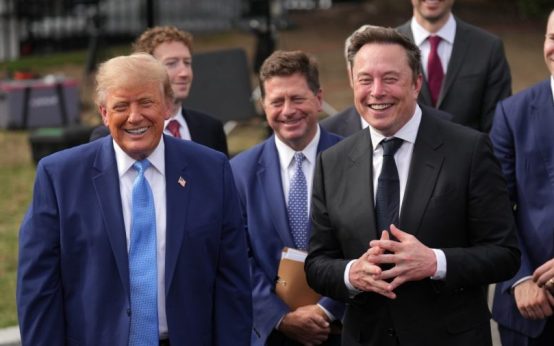 Trump’s 2024 Reelection and Evolving Voter Dynamics
  Defense Secretary Emerges as Key Player in the Trump Administration
 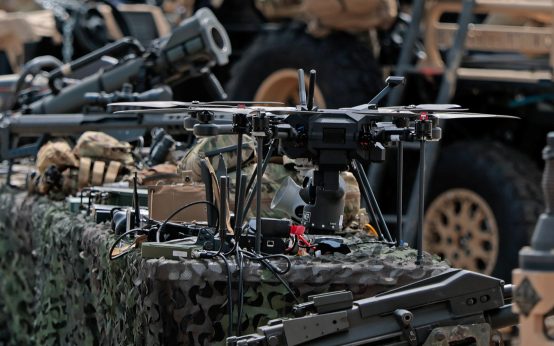 Hegseth’s Vision for the Military: Balancing Tradition and Innovation
 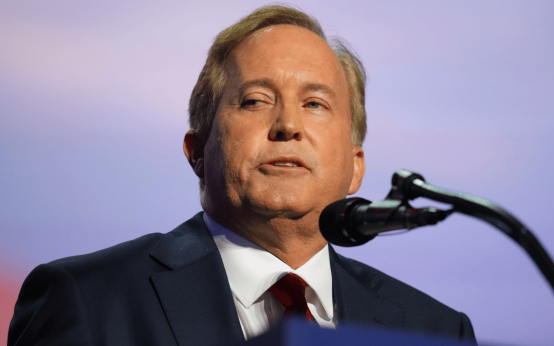 Significant Funding Boosts Ken Paxton’s Texas Senate Campaign Amid Tight Race
 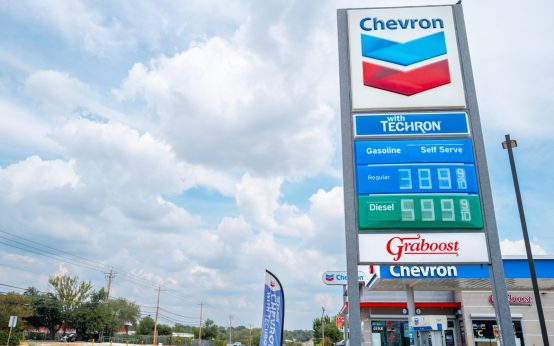 U.S. States Extend Gas Tax Waivers Amid Rising Fuel Costs Due to Iran Conflict
  USCIS Raises Immigration Fees