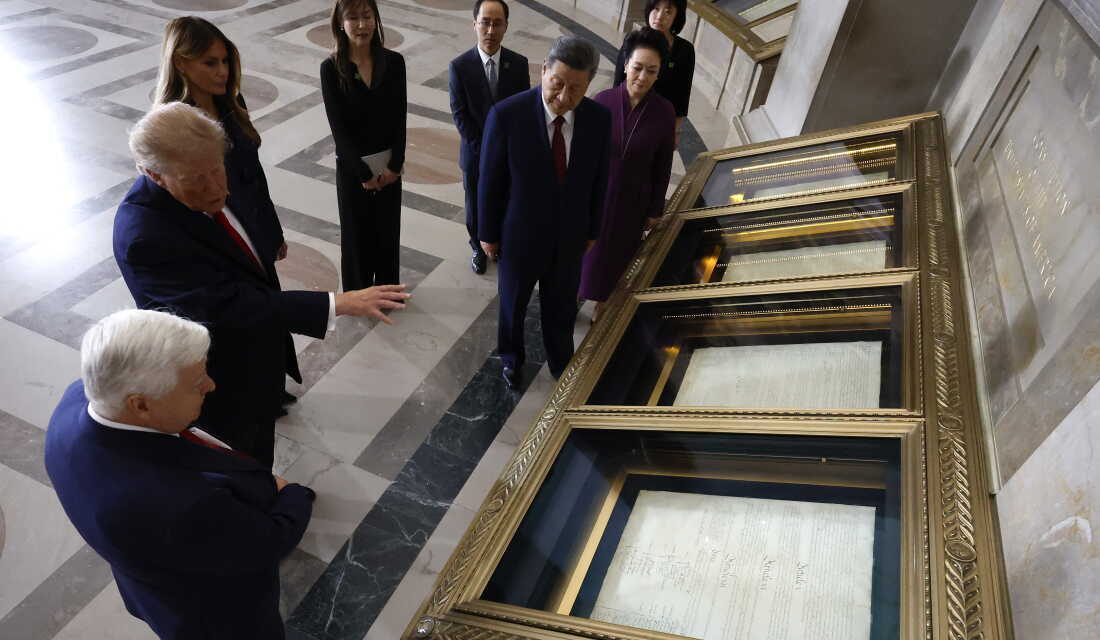
The National Archives Museum in Washington, D.C., recently hosted an important diplomatic event. U.S. President Donald Trump and China’s President Xi Jinping, along with their respective first ladies, toured the museum, viewing significant American historical documents. Kevin Dietsch of Getty Images captured moments from the visit.
The museum had initially arranged a special display for the occasion, including a brick from the Great Wall of China and an ornate 19th-century scroll gifted by a Qing emperor. However, these displays were removed due to a late change, attributed to Chinese dissatisfaction over a planned exhibit of the Treaty of San Francisco of 1951.
According to anonymous sources, Chinese officials were upset because the treaty, signed by the U.S. and Japan after World War II, did not include China as a signatory. This treaty leaves the status of Taiwan ambiguous and does not affirm the island’s sovereignty under China, a point of ongoing contention in U.S.-China relations.
Ryan Hass of the Brookings Institution highlighted that China’s exclusion from this treaty is significant. It underscores the sensitive nature of Taiwan’s political status, which remains a thorny issue between the two nations.
An anonymous U.S. administration official remarked that the visit highlighted America’s historical foundations and facilitated productive discussions between the two leaders. Despite the adjustments in itinerary, the meeting was considered successful.
The U.S. had earlier contemplated displaying other documents impacting Taiwan relations, like the Six Assurances and the Three Communiques. These were not shown, indicating the delicate nature of discussions regarding Taiwan. Though the U.S. unofficially supports Taiwan’s security, it does not have formal diplomatic ties or a defense obligation.
President Trump and Xi’s visit to the National Archives mirrored their meeting in Beijing, where Trump was taken to the Temple of Heaven. Both occasions symbolized mutual respect and recognition of historical roots, despite existing differences in interpretation.
During the visit, Chinese diplomats learned of the intended document display shortly before the leaders arrived. The uncertainty surrounding the inclusion of the Treaty of San Francisco reflects ongoing diplomatic tensions. Beijing has increased its critique of the treaty, urging other nations to see it as illegal, as neither China’s nor Taiwan’s government recognizes it.
Instead, China refers to the Cairo and Potsdam Declarations for historical context, emphasizing post-war territorial restorations to the Republic of China, currently governing Taiwan. As Trump and Xi ascended the Archives’ red-carpeted stairs, they examined the Declaration of Independence, the Constitution, and the Bill of Rights, acknowledged by Xi for their founding significance.
Reflecting on the two nations’ historical timelines, Trump acknowledged the U.S.’ 250-year history and compared it to China’s extensive 6,000-year past, underscoring mutual respect despite ongoing challenges in bilateral relations.
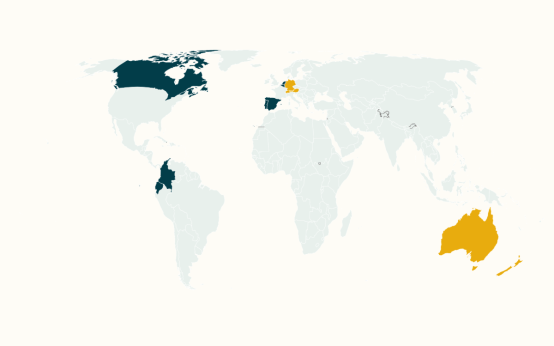 Dutch Review Board’s Euthanasia Ruling and International Debate
 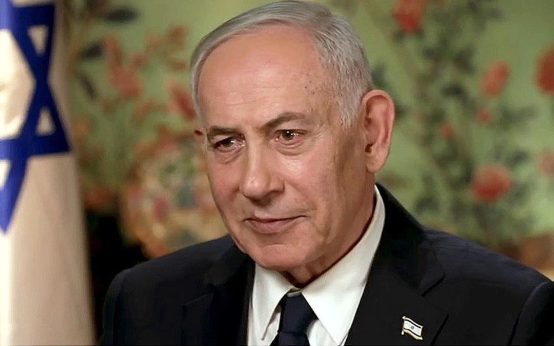 Israeli PM Commends Heroic Actions in Flight Emergency
 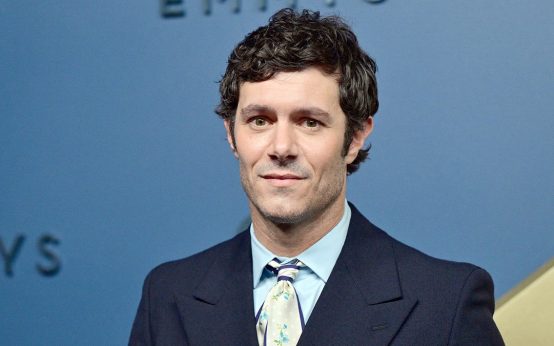 Rabbi and Jewish Leaders Criticize Adam Brody for ‘Genocide’ Comment
  Flydubai’s Emergency Landing Highlights Cockpit Security
  Former Israeli PM Naftali Bennett Commends Passengers and Crew for In-Flight Heroism
  Russia’s Nuclear Threats Amid Tensions with the UK