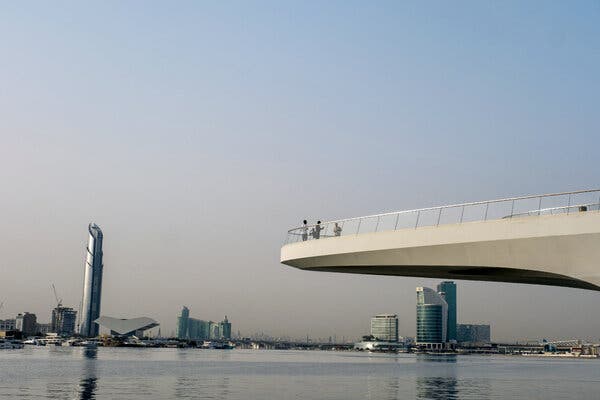
Dubai’s Unique Economic Foundation
Dubai has built its economy on diverse sectors like trade, tourism, finance, and logistics rather than relying on oil. This approach set it apart from neighbors in the region. The city positioned itself as a globalized hub, akin to a tax-friendly and politically stable refuge similar to Switzerland in the Persian Gulf.
Impact of Regional Conflict
A new conflict in the Persian Gulf has highlighted the vulnerabilities of Dubai’s economy. On February 28, Iranian drones and missiles struck, leaving significant damage in their wake. The attacks marred the city’s skyline, with notable landmarks like the Burj Al Arab suffering damage, leading to closures and a dip in tourism.
Economic Consequences
The disruptions have stretched beyond immediate physical damage. Air travel and seaborne trade, key to Dubai’s economic health, faced significant interruptions. While other Arab nations lean on oil revenues, Dubai must contend with the ripple effects across its broader-based economy. The recent turmoil poses a real challenge to the notion of Dubai as an oasis of stability.
The Test of Dubai’s Endurance
Jim Krane, a research fellow at Rice University and author, sheds light on Dubai’s situation. He notes that the city thrived by becoming a crossroads for global talent and businesses, making it a magnet for those comfortable with cross-border movement. However, this strength turns into a liability when instability arises. Capital and skilled people can quickly leave, impacting the city’s economic resilience.
 British Police Arrest Man Suspected of Terror Plot
  Activists Push for Nationwide Ban on Child Marriage in the U.S.
  Investigation into Alleged Incident at Cornell University
  Rising Drone Threats Highlight Vulnerabilities in Moldova’s Airspace Defense
  Bolivia Faces Security Test Amid Unrest
 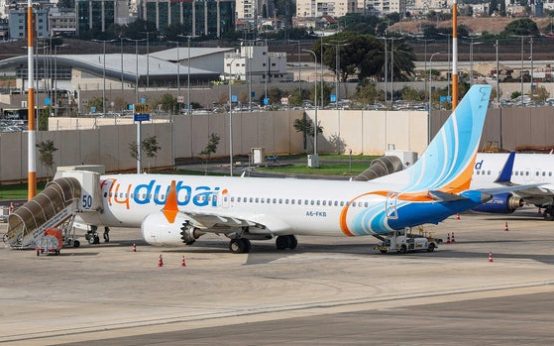 Incident on FlyDubai Flight Raises Security Concerns