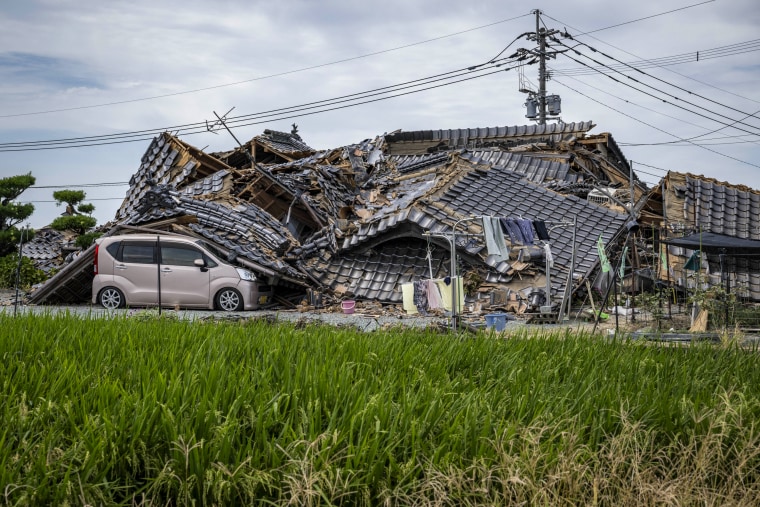
Authorities terminated a substantial search-and-rescue operation at a collapsed shopping mall in southwest Japan Saturday, following a powerful earthquake that resulted in 34 fatalities earlier in the week. The 7.1 magnitude earthquake struck Kumamoto Prefecture on Japan’s southern main island of Kyushu Tuesday.
The Aeon Mall, located in Kashima, was severely affected after an explosion, believed to be caused by a gas leak, led to the collapse of walls and a floor. The explosion occurred after approximately 3,000 shoppers were evacuated to a parking lot post-quake, though some employees remained inside. The mall’s second floor collapsed.
Rescue teams extracted five individuals from the debris and recovered the bodies of seven others over five days. Officials concluded the operation at the mall Saturday, confirming all missing were accounted for.
Search efforts continue throughout the prefecture, with an unspecified number of people still missing. Thousands of Self Defense forces, police, rescue workers, and sniffing dogs are engaged in ongoing operations.
Prime Minister Sanae Takaichi urged rescue crews during a government task force meeting Saturday to ensure no one is left behind.
Another severely impacted site includes a chimney collapse at the Nippon Paper Industries factory in Yatsushiro city, which trapped 11 employees, resulting in nine confirmed deaths, and two rescues.
The earthquake caused injuries to 103 individuals in Kumamoto, with two deaths under investigation for potential quake-relations.
The primary obstacle facing the prefecture is a lack of fresh water affecting nearly 70,000 homes, exacerbated by fuel shortages amidst Japan’s severe heat, escalating concerns about heat-related illnesses. The Japan Meteorological Agency reported temperatures reaching 36.6 degrees Celsius (97.8 degrees Fahrenheit) in Kumamoto city Saturday.
Over 9,000 people are sheltered in crowded spaces like community centers, school gyms, and classrooms, with many sleeping in cars or outside their homes for privacy. Experts criticize Japan’s emergency shelters for overcrowding, lacking sanitation, and privacy, heightening stress and health risks.
Efforts are underway to improve evacuation center conditions, with deliveries of essentials like water, food, portable toilets, air conditioners, and partitions, according to Prime Minister Takaichi.
Reports of power loss numbered over 1,500 as of Saturday, though the local power company serving Kyushu reported no outages. Official assessments indicate destruction of over 180 homes and damage to approximately 3,500 buildings, nearly twice the Friday report, with severe impact to 20 structures.
 U.S. Monitors Russian Plague Scare
 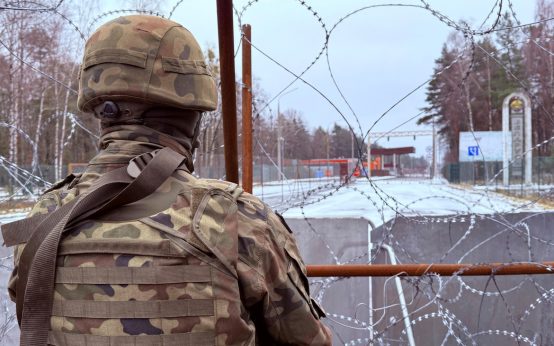 Poland Prepares for Potential Conflict
  Current Developments in the Iran Conflict and the Impact on Oil Markets
  Defeat Threatens Sánchez and His Leadership
  Tensions Surround Prince William and Prince Harry Amid Diana Anniversary Projects
  Realtor Arrested for Alleged Work as Unregistered Chinese Agent