The economy, inflation, and their potential effects on American lives have been significant topics recently. Price increases at grocery stores and gas stations have intensified compared to last year, affecting decisions both households and businesses make.
US Employers Reduce Workforce
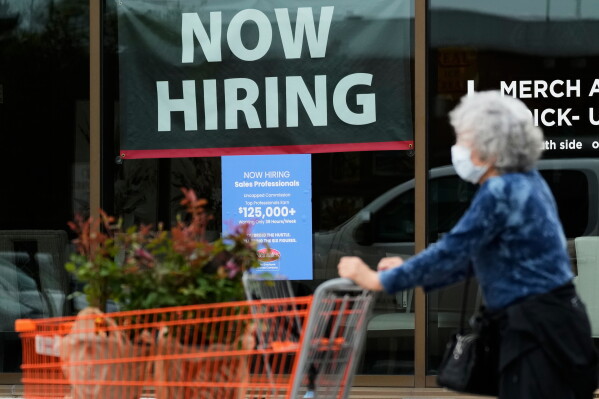
US employers unexpectedly cut 23,000 jobs last month, with additional revisions by the Labor Department reducing payrolls by 103,000 jobs in May and June. Though the unemployment rate fell to 4.1%, this was mainly due to Americans leaving the job market.
July’s labor data presented a stark change in the American job market and posed a political challenge for President Donald Trump, as he faced a tight timeline before the Republican party’s congressional election. Economists had forecasted job creation approaching 100,000 jobs. Various sectors experienced cuts, including 50,000 jobs in local public schools, 26,000 in restaurants and bars, and 19,000 in retail.
While the 4.1% unemployment rate was the lowest since June 2025, it decreased for unfavorable reasons. A total of 264,000 people left the labor market, dropping the workforce participation rate to 61.4%, the lowest since February 2021.
Job Openings and Market Resilience
In June, US job openings decreased slightly but the labor market showed robust resilience. This was despite economic pressures from conflicts in Iran and the Strait of Hormuz’s closure. Employers posted 7.36 million vacancies, down from 7.54 million in May. Economist expectations matched these figures.
Vacancies increased by 97,000 at warehouse, transportation, and utility companies and by 39,000 at federal agencies, whereas wholesalers and nondurable goods manufacturers saw a drop. Layoffs remained steady at 1.8 million, while the number of people quitting jobs slightly increased, signaling confidence in future prospects.
Mortgage Rates Continue to Climb
The average long-term US mortgage rate climbed for the fifth straight week, reaching its highest point in over a year. Freddie Mac reported the 30-year fixed-rate mortgage rose to 6.69%, slightly up from last week’s 6.66%. Last year, the rate stood at 6.63% and hasn’t surpassed the current level since late July 2025.
More substantial mortgage rates can lead to increased monthly costs for borrowers, weakening potential homebuyers’ purchasing power. As rates rise, buyers may postpone home purchases, contributing to sluggish US home sales this year. On the other hand, borrowing costs for 15-year fixed-rate mortgages, often preferred by refinancing borrowers, experienced a slight decline this week, averaging 6.01% compared to last week’s 6.04%. Freddie Mac indicated a year ago rate of 5.75%.
Increase in Jobless Claims
The count of Americans filing for unemployment benefits increased last week, yet layoffs maintained a healthily low range reminiscent of past years. Benefits filings for the week ending August 1 rose by 1,000 to 199,000, with the previous week’s number revised upward by 1,000 to 198,000.
Weekly applications for unemployment benefits function as indicators of layoffs and offer a timely gauge of the US job market’s health.
Stock Market Reactions to Job Cuts
Following the government’s report on unexpected job reductions, Wall Street stocks improved on Friday while Treasury yields declined. The S&P 500 edged upward, aligning near its Tuesday record. The Dow Jones Industrial Average and the Nasdaq composite both experienced increases, with all major indexes on course for weekly gains.
The bond market showed a marked response to the job market’s weaker signals, potentially affording the Federal Reserve additional time to address inflationary pressures without raising interest rates promptly.