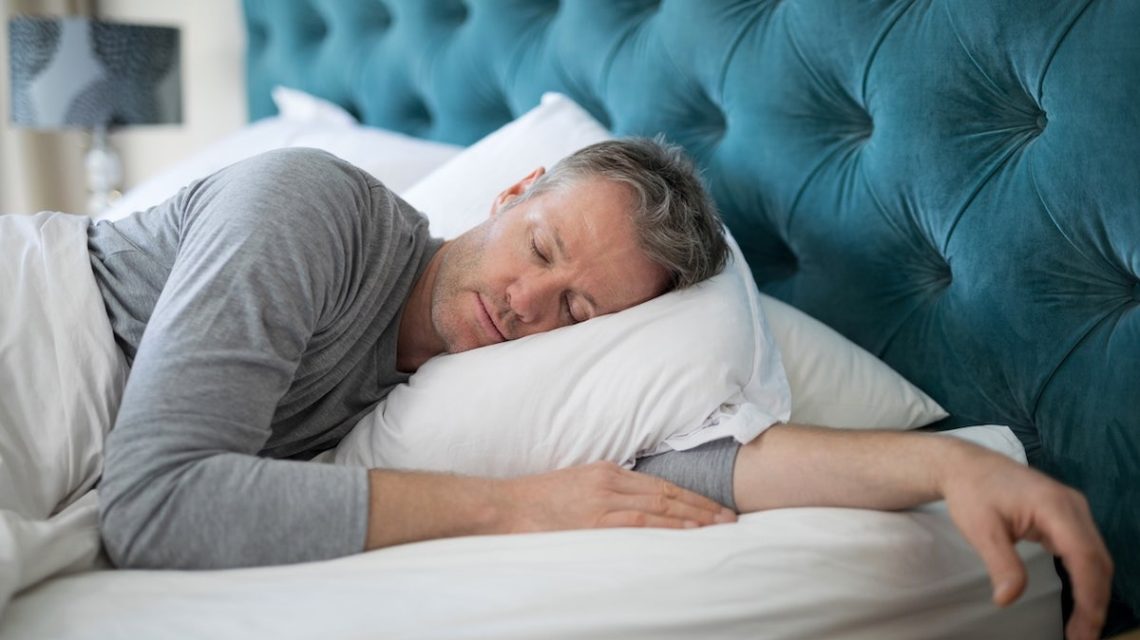
Turning clocks back as we end daylight saving time might affect sleep patterns. It can make falling and staying asleep difficult. This ongoing sleep disruption can impact health.
Research highlights potential cardiovascular benefits from the fall time change. However, losing evening sunlight can decrease serotonin and melatonin levels. This may lead to a depressed mood, explained Dr. John La Puma, a California-based expert in nature-based medicine. He noted that our internal clock does not easily adjust to the change.
“When the clocks change, your body clock is still on the old time,” La Puma mentioned. He pointed out effects such as waking up earlier, feeling hungry early, and getting sleepy early, with darkness setting in by five. “You get months of short days and might need coffee to feel normal.”
La Puma recommended small adjustments to ease the transition.
Make Small Schedule Shifts
With clocks turning back on Saturday night, La Puma suggested adjusting bedtime, meals, and wake-up times gradually. For instance, those usually asleep by 10 p.m. can try shifting to 10:15 p.m. on Friday and 10:30 p.m. by Saturday.
Avoid Late Nights Despite the ‘Extra Hour’
Dr. Saema Tahir warned against staying up late, especially on Halloween. She advised moderation with alcohol, finishing drinks hours before bed, and avoiding caffeine after early afternoon.
“Alcohol makes you drowsy initially but disrupts sleep later,” she explained. “Caffeine lingers, potentially leaving you more tired, even with the extra hour.”
Get Outside at the Right Time
Outdoor exposure plays a role in adjusting to time changes. La Puma emphasized going outdoors each afternoon to benefit from late-day daylight. Outdoor light exposure within an hour of waking is crucial throughout winter, according to Tahir. “Light is the strongest signal the body clock gets,” she said. Morning light stabilizes the body’s rhythm and supports mood.
Create a Wind-Down Routine
Having a bedtime routine helps maintain a consistent sleep pattern. La Puma suggested activities like using a paper workbook, drinking chamomile tea, taking a bath, or using aromatherapy. These can signal to the brain that it’s time for rest.
Avoid Caffeine and Screens
Limiting caffeine after noon and stopping screen time at least an hour before bed can aid sleep. La Puma warned that screen light suppresses melatonin, which signals it’s time to sleep. Night mode doesn’t fully prevent this effect.
Keep a Consistent Schedule Post-Change
After the time change, maintain a regular wake-up time across weekdays and weekends, advised La Puma. “Pick one wake-up time and stick to it daily.”
He referenced a study of 60,000 people that linked consistent sleep and wake times to a 19% lower risk of death. Sleep patterns significantly affect heart attack, stroke, and cardiovascular mortality risks.
If sleep issues persist, contact a healthcare provider. Ongoing problems falling asleep, daytime fatigue, or sleep loss affecting daily life should be addressed.
Melissa Rudy, senior health editor at Fox News Digital, encourages tips at [email protected].
 Celebrities Embrace Trench Coats for Winter Style
 Managing Holiday Stress and Enjoying Affordable Wines
 The Future of MAHA in American Health Politics
 Insulin Cost Caps Gaining Support Amid Rising Prices
 Top Food and Drink Innovations for Holiday Gifts
 Cuffed Jeans: A Trend Embraced by Celebrities