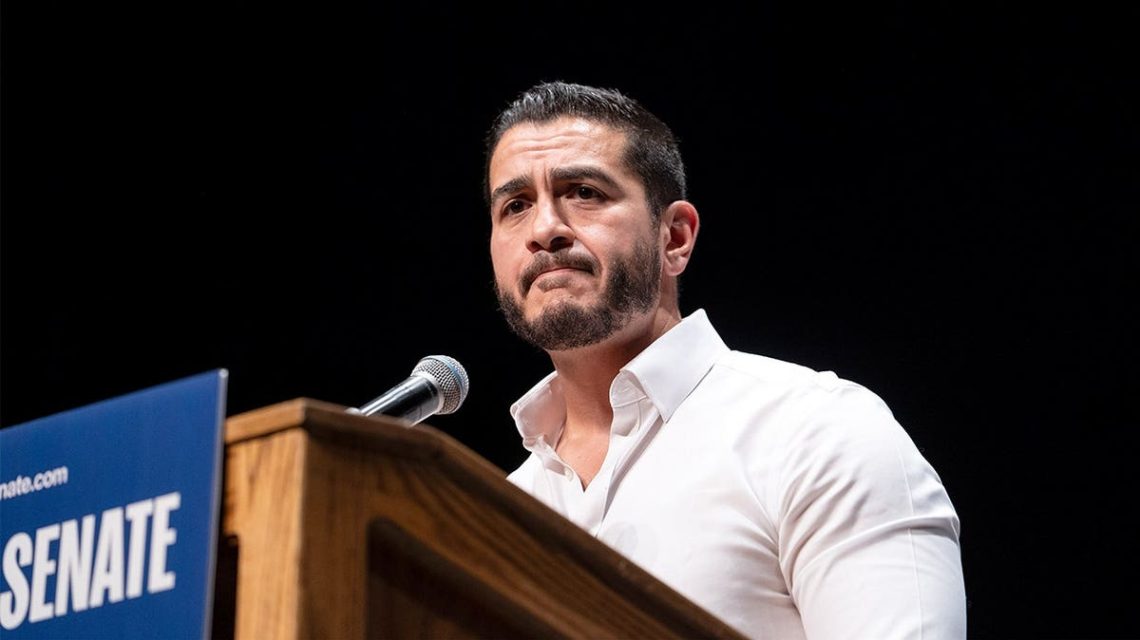
Michigan Democratic Senate nominee Abdul El-Sayed discussed his universal healthcare plan on ‘Meet the Press.’ He acknowledged that all income levels might have to pay higher taxes to fund Medicare for All.
During the interview, NBC News host Kristen Welker questioned El-Sayed about potential tax increases for Americans. El-Sayed stated his intention to increase taxes on billionaires while appearing to imply that those earning under $1 million would also experience tax hikes.
“So, for the average person, when you look at your W2…after you pay your taxes, the next biggest check…is to your health insurance company,” El-Sayed explained. He suggested that instead of paying insurance companies, individuals could pay slightly higher taxes for government-funded healthcare.
El-Sayed emphasized the benefits of this approach, such as maintaining healthcare coverage regardless of job status or personal circumstances.
Republican Senate nominee Mike Rogers criticized El-Sayed’s stance, suggesting it meant more money for the government rather than individuals.
Welker asked El-Sayed if American taxpayers not considered millionaires would face higher taxes. El-Sayed responded by reiterating the idea of a different payment model for healthcare focused on government provision.
El-Sayed has insisted that his policies aim to fund healthcare sustainably without endorsing all aspects of Democratic Socialists of America’s platform. His primary victory has prompted discussions about the Democratic Party’s internal dynamics.
Observers like political analyst Eric Ham perceive this as part of a larger struggle for control within the party, with groups like DSA seeking to influence its direction.
 Maryland First State to Restrict Electronic Pricing in Grocery Stores
  Activists Push for Nationwide Ban on Child Marriage in the U.S.
  Democratic Hopes and Historical Warnings in 2026 Senate Race
  Republicans Face Challenges Amidst Cost of Living Concerns
  A Different Kind of Fall for Congress This Year
  Cornel West and Sean Hannity Discuss Differences on Podcast