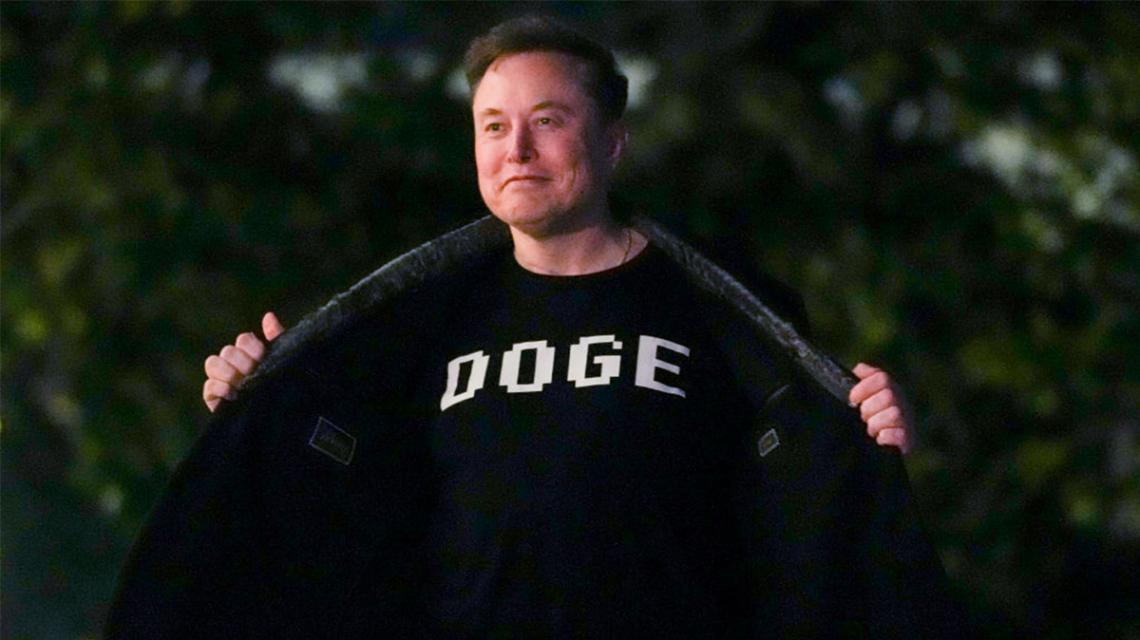
Elon Musk has taken a new role in assisting the Trump administration. He now supports the Pentagon’s efforts to determine future military technology needs. War Secretary Pete Hegseth announced Musk’s involvement in Project Meridian. This initiative will focus on identifying future warfare domains and the technology necessary for the U.S. military to excel in them.
Musk, formerly head of the Department of Government Efficiency, will co-lead this effort. Alongside him are defense technology entrepreneur Palmer Luckey and former House Speaker Newt Gingrich, under the guidance of War Department CTO Emil Michael.
“The best forecasters of future conflict do not solely reside inside the Pentagon,” said Hegseth during his State of the Force address at Marine Corps Base Quantico.
Hegseth emphasized the importance of diverse perspectives in forecasting conflicts. He will meet with Musk, Luckey, and Gingrich in a secure location to initiate Project Meridian. This project aims to map future wars and technologies over 120 days, with both public and classified findings.
Rather than developing new strategies, the group will focus on identifying crucial domains and capabilities. They will target discovering and developing weapons necessary for future U.S. troops. Both Musk and Luckey bring relevant experience from their work with SpaceX and Anduril Industries, respectively. Their involvement provides a unique insight into technology and modern warfare, though it may also raise conflict-of-interest questions.
Hegseth also announced broader initiatives towards autonomous warfare. One such effort is the creation of the Autonomous Warfare Command, or AUTOWARCOM. This new combatant command will enhance robotic capabilities within the military.
The War Department plans to introduce new occupational frameworks across military branches. These changes aim to develop dedicated career paths for “autonomous warfighters.” Hegseth noted the importance of anticipating technological changes in military tactics.
The announcements occurred during Hegseth’s annual State of the Force address. This event now regularly assesses military status and outlines future visions. This year’s audience included younger military leaders, a shift from last year’s audience of senior leaders.
Hegseth unveiled six initiatives, including embracing autonomous warfare. Another focus is on making U.S. bases and defense supply chains more secure from foreign threats.
During his speech, Hegseth criticized the media and addressed reshaping military culture. He used direct language to stress a shift away from perceived weaknesses within the military.
 Push for Reparations Faces Challenges and Calls for Strict Eligibility
 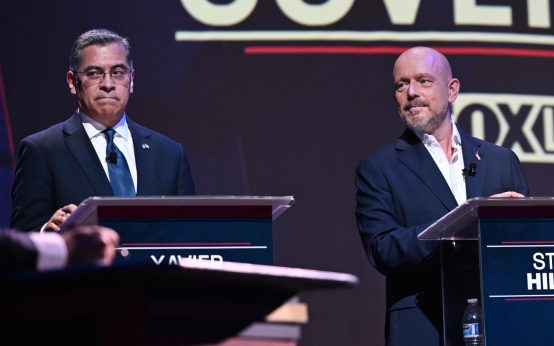 Xavier Becerra and Steve Hilton Debate on California’s Future
 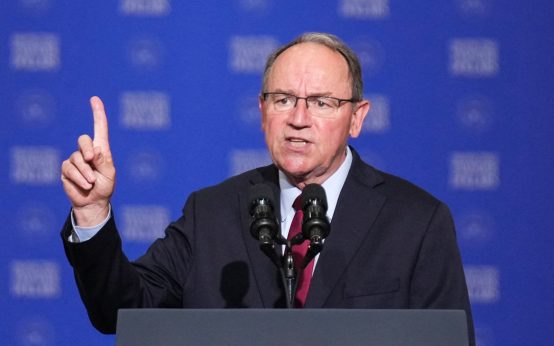 Wisconsin Gubernatorial Race: Tiffany vs. Crowley in a Tight Contest
 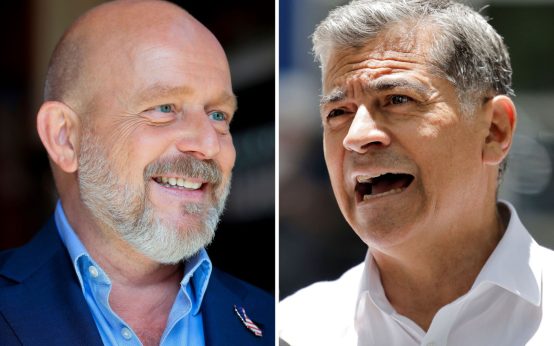 California Gubernatorial Debate: Becerra vs Hilton
 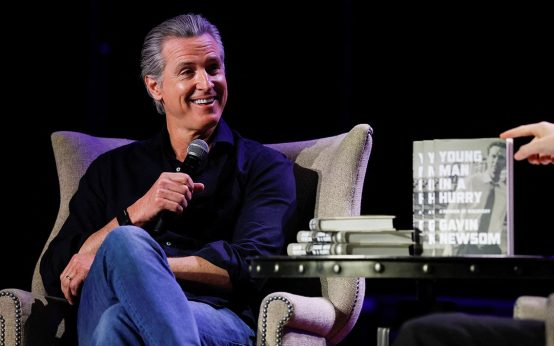 Gavin Newsom Seeks Inspiration from Bill Clinton for Potential Presidential Run
  California Superintendent Candidate Stands Firm Against Teachers Union Criticism