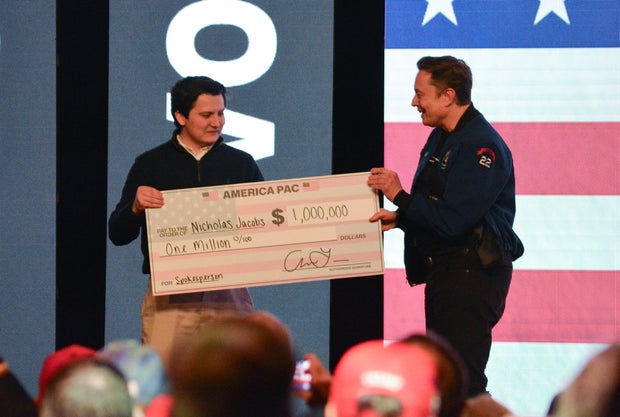
In recent developments, the Wisconsin Elections Commission raised concerns over billionaire Elon Musk’s involvement in state election activities, suggesting he might have breached Wisconsin’s election bribery law. During the Wisconsin Supreme Court election, Musk reportedly offered $1 million checks to voters through his political action committee (PAC), which invested heavily in the campaign.
The commission, composed equally of Republicans and Democrats, voted 5-1 to refer two voter-filed complaints against Musk to the Brown County District Attorney’s office. This was confirmed by Emilee Miklas, the commission’s Communications Director, speaking to CBS News.
A motion approved by the commission established “probable cause” that Musk could have violated state law, which criminalizes offering “anything of value” to influence a voter. It remains uncertain whether Brown County District Attorney David Lasee will pursue charges. Requests for comments from Lasee and Musk remained unanswered at the time of reporting.
The controversy centers around Musk’s contentious practice of distributing cash incentives to certain voters who support his PAC’s petitions. This approach began during Musk’s support for President Trump’s 2024 campaign and persisted into Wisconsin’s April 2025 judicial election.
Early last year, Musk’s America PAC presented $1 million checks to three voters endorsing petitions against “activist judges.” Despite significant financial backing from Musk, GOP-endorsed Judge Brad Schimel lost to the Democratic-endorsed Judge Susan Crawford.
Wisconsin Attorney General Josh Kaul, a Democrat, initiated legal action to halt Musk’s payments, accusing him of offering financial incentives to voters, which Kaul claimed breached state law. Musk’s defense team counter-argued that the payments reflected Musk’s free speech rights. The state’s supreme court chose not to address the matter. Furthermore, Musk distributed massive novelty checks to selected voters, who then became spokespeople for his PAC.
Following the election, an advocacy group sued Musk and America PAC in state court, contending these monetary incentives violated the state’s election bribery statute while also constituting an unauthorized lottery. Musk’s legal representation has sought dismissal of this ongoing lawsuit.
Musk’s electoral giveaways also faced scrutiny in several swing states during the 2024 presidential campaign. Philadelphia District Attorney Larry Krasner sued Musk for providing daily $1 million checks to Pennsylvania voters. Krasner claimed these actions violated state election and lottery laws, while Musk’s attorneys argued it represented “core political speech.” Ultimately, a judge permitted the continuation of these payouts.
 Maryland First State to Restrict Electronic Pricing in Grocery Stores
 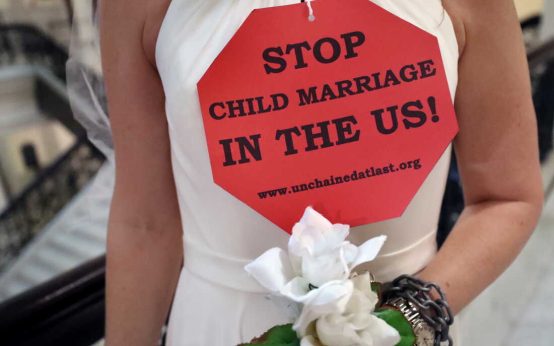 Activists Push for Nationwide Ban on Child Marriage in the U.S.
 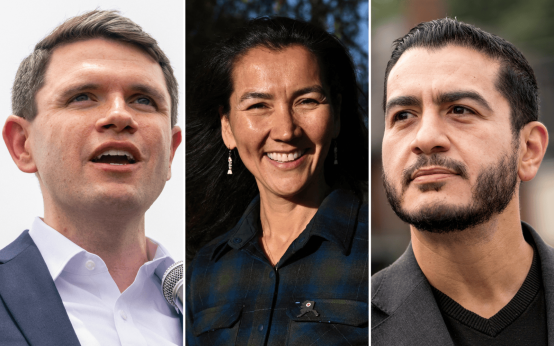 Democratic Hopes and Historical Warnings in 2026 Senate Race
  Republicans Face Challenges Amidst Cost of Living Concerns
  A Different Kind of Fall for Congress This Year
  Cornel West and Sean Hannity Discuss Differences on Podcast