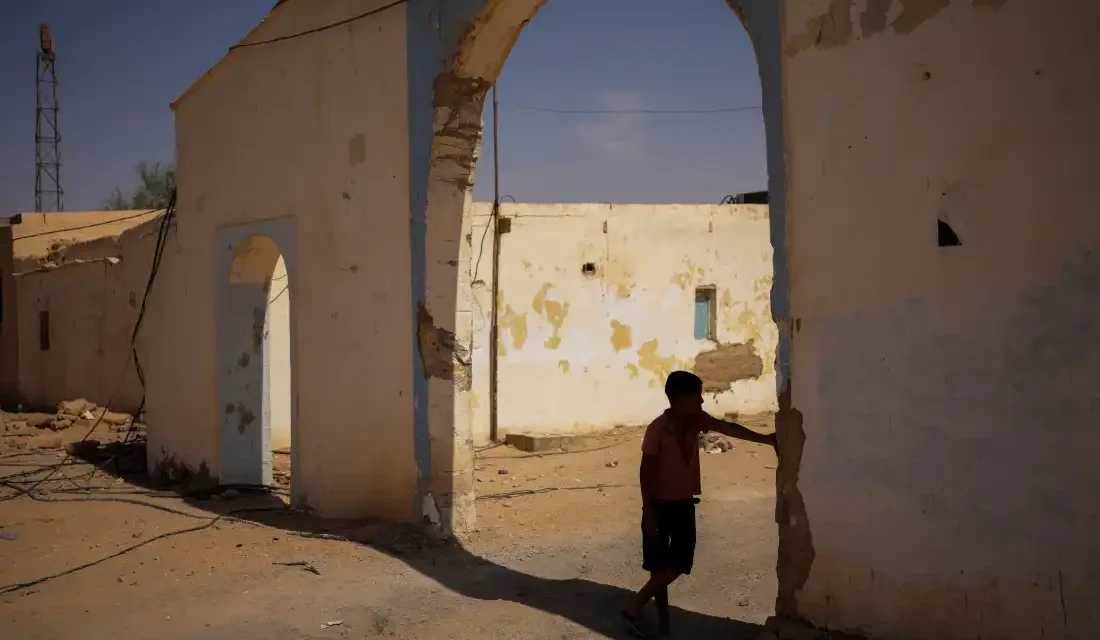
The United Nations’ peacekeeping mission in Western Sahara has ended after 35 years due to a standoff between the U.S. and Russia over the territory’s future. This development sparks concerns about regional stability.
Western Sahara, rich in minerals and fisheries, is a vast desert region along Africa’s northwest coast. The territory, formerly ruled by Spain, is claimed by Morocco and the pro-independence Polisario Front.
Stéphane Dujarric, spokesperson for the U.N. Secretary-General, noted the start of a liquidation period on November 1, 2026. A smaller team will manage the transfer of assets belonging to troop-contributing countries and the disposal of U.N. equipment.
The mission had been extended multiple times since its 1991 establishment. In a recent U.N. Security Council session, Russia vetoed a U.S. draft resolution supporting Morocco’s sovereignty demand over Western Sahara, which would have ended the mission in the following year. A rival Russian resolution to continue the mission was also rejected, abruptly terminating the mandate.
Morocco’s royal palace welcomed the mission’s non-renewal, viewing it as an instrument to internationalize the dispute. However, the Polisario Front, supported by Algeria, condemned the decision as unacceptable. Algeria criticized the U.S. resolution’s perceived bias.
Western Sahara is the longest-running territorial dispute in Africa. The U.N. classifies it as a non-self-governing territory, whereas opponents of Morocco’s control refer to it as Africa’s last colony. Morocco governs nearly the entire region except for a narrow strip called the “free zone.”
Since Morocco’s annexation in 1975, the dispute led to a conflict lasting over 15 years and resulting in more than 16,000 fatalities on both sides. Morocco’s foreign policy has prioritized establishing full sovereignty over the area. Rabat has gained support from countries like the U.S., France, and the UK, referring to the territory as southern provinces.
The Polisario Front, viewing the territory as the homeland of the Indigenous Sahrawi people, seeks independence. Operating from Algerian refugee camps, the movement aims for an independent Sahrawi Republic. With backing mainly from Algeria, Russia, and South Africa, the Polisario’s international support has been waning.
The mission, initially established to monitor a referendum, was formed following a 1991 U.N.-brokered cease-fire. Plans for a self-determination vote, including independence, were discussed but never held. Disputes over voter eligibility lists have stalled progress.
The expired U.N. force, known as MINURSO, was to include 534 personnel, with a budget exceeding $62 million for 2026-2027. Major troop contributors included Egypt, Ghana, and Pakistan. Throughout its duration, 20 MINURSO personnel lost their lives.
As the mission concludes, U.N. Secretary-General António Guterres urges all parties to uphold the rights of the people of Western Sahara and expresses concern about potential hostilities. The Polisario ended their ceasefire in 2020 following clashes, maintaining tensions in the region.
Western Sahara remains a point of contention between Morocco and Algeria. Algiers, which supports the Polisario, views Moroccan sovereignty over the territory as a diplomatic loss. Diplomatic ties between the two nations were severed in 2021, with the mission’s end risking further strain and spurring an arms race.
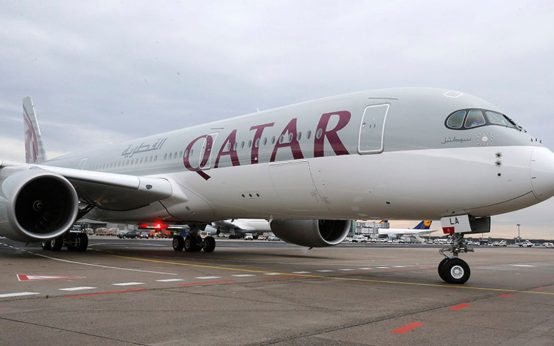 In-Flight Altercation on Qatar Airways Leads to Police and FBI Response
 Virginia Residents Sue Over Alleged Immigration Violations
 Updates on Key International and Domestic Events
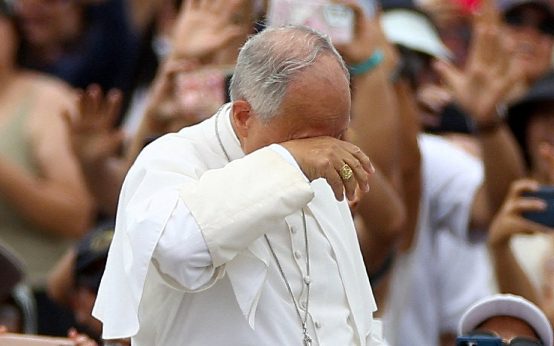 Pope Leo XIV Completes South American Tour with Farewell Mass in Peru
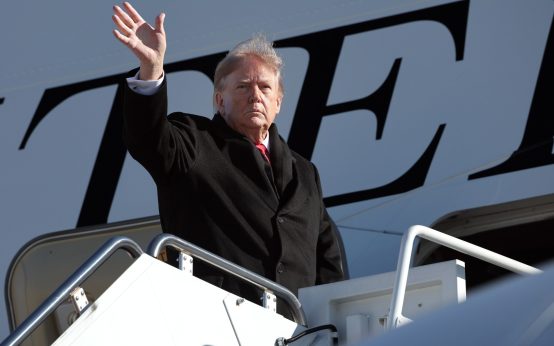 President Trump’s Critical Asia Trip: Key Meetings and Implications
 U.S. Plans to Restrict AI Chip Exports Before Trump-Xi Meeting