
Over the weekend, tensions between U.S. and Iranian forces increased significantly. Two American soldiers were killed in an Iranian missile attack in Jordan. Both nations targeted sensitive infrastructure, including bridges and water facilities.
Military Buildup
In response, U.S. officials confirmed that more warplanes are headed to the Middle East. This includes Air Force F-16 jets from Germany and F-35 jets from Britain, along with additional aerial refueling aircraft.
The U.S. military announced attacks on Iranian military surveillance and air defense facilities. Iran retaliated with strikes on countries where the U.S. has a military presence, including Kuwait, Bahrain, and Jordan.
Impact on Jordan
Jordan is becoming a focal point of the conflict. The Jordanian military intercepted three Iranian missiles, with a fourth landing in an unpopulated area. The capital, Amman, was on high alert following increased missile attacks.
The country, a close U.S. ally, hosts significant U.S. military bases. Analysts say Jordan’s strategic importance is increasing as regional dynamics shift.
U.S.-Iran Ceasefire Collapse
The escalation follows the collapse of a ceasefire deal previously agreed upon by President Trump and Iran. Ayatollah Khamenei, Iran’s supreme leader, labelled the deal ‘worthless and invalid.’
Friday marked the first instance U.S. troops were killed by Iranian fire since the ceasefire fell apart, raising the U.S. death toll to 16.
Regional Implications
Amidst growing concerns, the U.S. embassy in Jordan warned of threats to the international airport and seaport in Aqaba. Defense Secretary Pete Hegseth stated that the U.S. is resolute after the loss of soldiers.
In Israel, Prime Minister Benjamin Netanyahu has pledged further military action against Iran if attacked. Israel’s proximity to the escalating conflict means it remains a cautious observer of developments.
Lebanon and the Israel-Iran Conflict
Lebanon’s President Joseph Aoun discussed a framework agreement with Secretary of State Marco Rubio in Washington. The deal, brokered by the U.S., aims to maintain peace despite ongoing conflicts with Hezbollah.
Iran has previously stated intentions to target U.S. forces stationed in strategic locations throughout the region. The current military situation has prompted concerns over the broader implications of these ongoing hostilities.
 Dutch Review Board’s Euthanasia Ruling and International Debate
 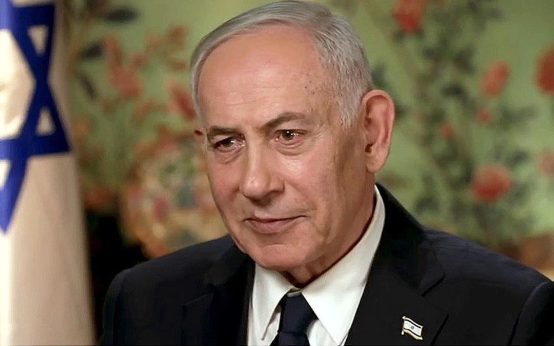 Israeli PM Commends Heroic Actions in Flight Emergency
  Rabbi and Jewish Leaders Criticize Adam Brody for ‘Genocide’ Comment
  Flydubai’s Emergency Landing Highlights Cockpit Security
 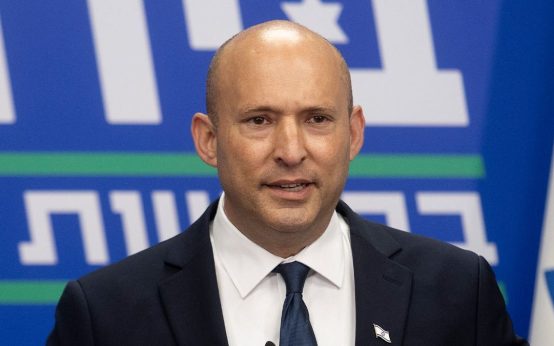 Former Israeli PM Naftali Bennett Commends Passengers and Crew for In-Flight Heroism
 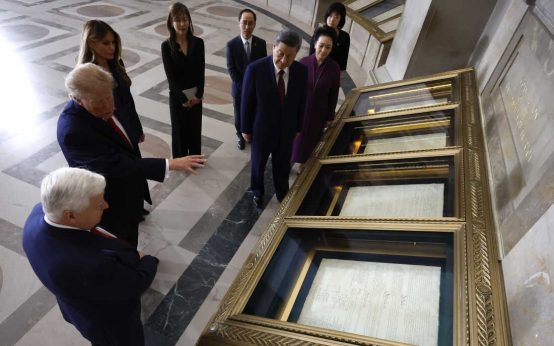 Diplomatic Complexities Unfold at U.S. National Archives Visit