
The ongoing conflict between the United States and Iran intensified as American forces increased their strikes early Thursday, targeting locations further north in Iran. Among the targets was a ship alleged to have attempted to violate the naval blockade imposed by the U.S. on the Islamic Republic.
In retaliation, Iran launched missiles and drones toward U.S. allies in the Middle East during the early hours, with a warning of potential escalation. This cycle of reciprocal attacks has disrupted the interim agreement aimed at ending hostilities, raising the specter of all-out war in the region once more.
Iranian officials claim that the U.S. strikes have resulted in over 35 fatalities and injured more than 300 people. For the first time, these strikes reached areas around Tehran, highlighting a broadened scope of American targets.
The conflict traces back to February 28, when the U.S. and Israel initiated actions against Iran. In response, Iran closed the Strait of Hormuz, affecting global prices for oil, fertilizers, and other commodities. This closure has given Iran significant leverage in negotiations.
Col. Ebrahim Zolfaghari of Iran’s Khatam al-Anbiya Central Headquarters cautioned that extensive attacks on regional infrastructure could be unleashed if the U.S. implements President Donald Trump’s threats to target Iranian bridges and power plants.
Zolfaghari asserted Iran’s determination to prevent American interference in the Strait of Hormuz, declaring it an inviolable boundary.
Recent U.S. targets included regions associated with Iran’s missile production, such as Semnan province. Concurrently, Iran reported American strikes in several provinces like Hamedan, Hormozgan, Khuzestan, and more.
The attacks reached a critical point with a daylight strike on Greater Tunb Island, indicating increased activity. The U.S. military intervened with the Curacao-flagged Belma oil tanker, firing a missile after ignored warnings.
Iran’s counterstrike included missile and drone attacks on locations housing U.S. forces in Bahrain, Jordan, and Kuwait, although damage reports are pending. Iraqi PM Ali al-Zaidi condemned a drone attack on Irbil during his U.S. visit, vowing to neutralize non-state armed groups.
Amidst negotiations, President Trump maintained that a peace deal with Iran remains plausible. He reported Iran’s release of an American detainee as a gesture of goodwill, though specifics were sparse.
 Dutch Review Board’s Euthanasia Ruling and International Debate
 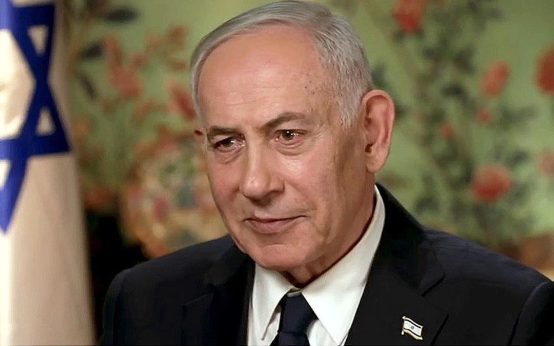 Israeli PM Commends Heroic Actions in Flight Emergency
  Rabbi and Jewish Leaders Criticize Adam Brody for ‘Genocide’ Comment
  Flydubai’s Emergency Landing Highlights Cockpit Security
 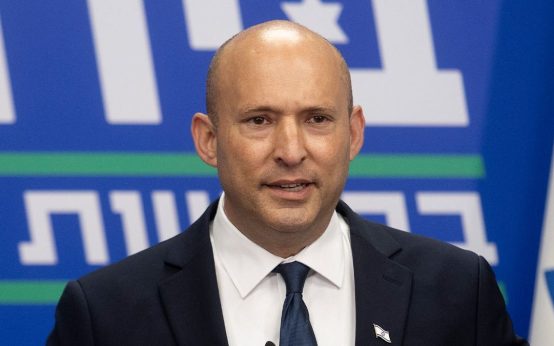 Former Israeli PM Naftali Bennett Commends Passengers and Crew for In-Flight Heroism
 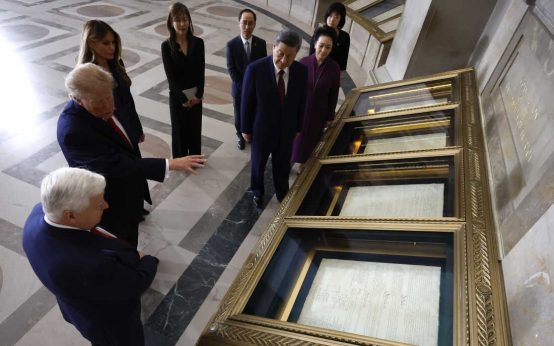 Diplomatic Complexities Unfold at U.S. National Archives Visit