
Amid ongoing tensions between the United States and Iran, military activities have intensified over the past week. Following a brief cease-fire deemed ‘over’ by President Trump, U.S. military operations widened their scope on Saturday. Iran retaliated with a series of rocket and drone strikes on neighboring Arab states hosting American military bases.
According to Iranian state media, U.S. attacks on Friday night targeted critical infrastructure in the southern province of Jask, damaging a desalination plant and leaving around 10,000 residents without access to water. Abdolhamid Hamzepour, head of the local water utility, reported the damages, though the U.S. military has not commented on these claims.
In Kuwait, Iranian strikes have damaged a power and water desalination facility, causing fires and injuries among firefighters and military personnel. The country’s military confirmed injuries from drone strikes on its facilities. Meanwhile, Bahrain has been on high alert, with air-raid sirens warning of potential new attacks, while Jordan has intercepted 10 Iranian ballistic missiles, avoiding major damage.
The conflict has persisted longer than anticipated, with President Trump hinting at a larger attack on Iran’s infrastructure to force compliance with his terms. Targeting critical infrastructure raises concerns about potential war crimes under international law.
U.S. military actions have not ended Iran’s control over the crucial Strait of Hormuz. This waterway is essential for global oil and gas shipments but remains blockaded. The tension has affected the global economy, contributing to rising energy prices.
Hopes of deposing the Islamic republic have not materialized. Instead, Iran maintains its position and power to disrupt passage through the strait whenever it chooses. A recent cease-fire reopened the strait, but ongoing disputes have led to further conflicts over navigation rights.
Oil Market Impact
Oil prices have surged due to the renewed hostilities. The price of Brent crude rose by 4 percent, reaching $88 a barrel. West Texas Intermediate crude increased to $82 a barrel, reflecting the disruption in the Strait of Hormuz.
Shipping activity in the Persian Gulf has significantly decreased, with only eight vessels passing through on Thursday. The U.S. naval blockade has restricted Iran’s economic gains by reducing shipping traffic. During the prior blockade from April to June, over 149 ships were redirected or disabled, causing economic losses for Iran.
The U.S. military continues its operations in the Gulf, recently boarding and disabling several commercial vessels attempting to bypass the blockade. The Central Command has confirmed these activities and reported immobilizing a tanker under the Cook Islands flag.
Rising fuel costs affect consumers, with gasoline prices increasing to $3.98 per gallon and diesel to $5.06 in the United States as of Friday, according to AAA.
 British Police Arrest Man Suspected of Terror Plot
  Activists Push for Nationwide Ban on Child Marriage in the U.S.
  Investigation into Alleged Incident at Cornell University
  Rising Drone Threats Highlight Vulnerabilities in Moldova’s Airspace Defense
  Bolivia Faces Security Test Amid Unrest
 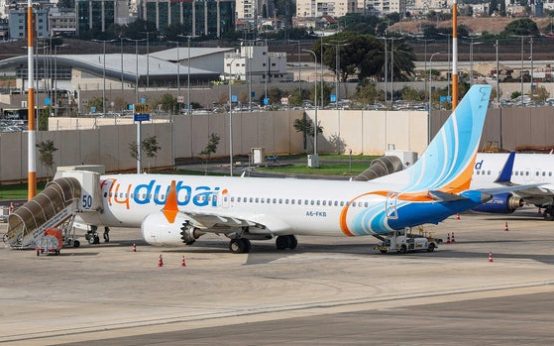 Incident on FlyDubai Flight Raises Security Concerns