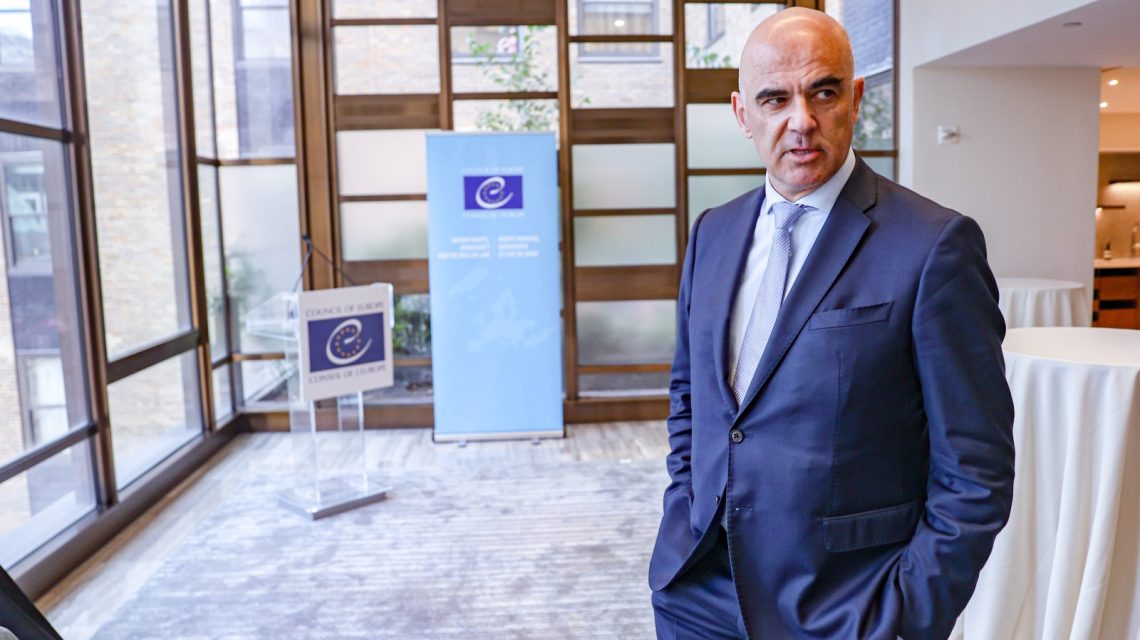
Assessing Europe’s Preparedness for Hybrid Warfare
Alain Berset, Secretary-General of the Council of Europe, expressed concerns about Europe’s readiness for hybrid warfare, amid growing tensions with Russia. Speaking at the United Nations General Assembly in New York, he highlighted the need for European countries to adapt to modern threats. The rise of drones and online interference campaigns exemplifies the current hybrid threats facing Europe.
Berset noted that the transformation of warfare has led to increased vulnerabilities. He pointed out weaknesses in energy systems and infrastructure, indicating that Europe is still catching up with the evolving threat landscape.
European Defense Evolution
Despite acknowledging the challenge, Berset sees signs that Europe is on the right track. Defense spending among EU member states has increased significantly, projected to reach over $516 billion this year. The ReArm Europe Plan aims to further bolster defense capabilities.
However, Berset stresses the importance of maintaining democratic values alongside strengthening defense. Investment in “democratic security” is essential to ensure that armed forces remain under democratic control.
Political Risks in Europe
Political movements undermining the status quo are gaining ground across Europe. The recent success of the far-right Alternative for Deutschland party in Germany exemplifies a broader trend. Right-wing movements are gaining momentum in countries like Austria and France, challenging the democratic fabric.
Berset reflects on Europe’s history, emphasizing democracy’s ability to absorb shocks. He describes a series of crises, from financial turmoil to the war in Ukraine and the COVID-19 pandemic, shaping the current political landscape.
Adapting to Modern Challenges
Berset advocates for a balanced approach to address modern challenges, focusing on reinforcing democratic principles. He warns against reactive measures like restricting free speech, emphasizing the importance of finding a sustainable balance.
Transatlantic Relations and European Strength
The current geopolitical landscape differs from previous challenges, partly due to changing U.S. positions. Berset notes President Trump’s focus on European rearmament and questions about NATO commitments. Yet, he remains confident in the strength of transatlantic ties.
Berset underscores the underestimated power of Europe’s united front. Despite differences, EU countries demonstrate the capacity to act cohesively, potentially overcoming challenges posed by hostile forces.
Optimism, he concludes, remains essential in navigating the continent’s complex historical and geopolitical landscape.
 State Department Simplifies Passport Process with Online Applications
 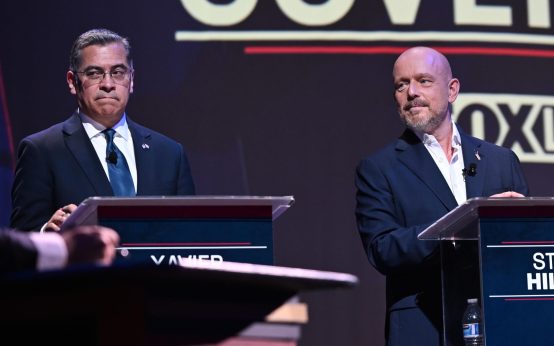 Becerra and Hilton Clash in California Gubernatorial Debate
  California Voters to Decide on $7.5 Billion State Research Fund
 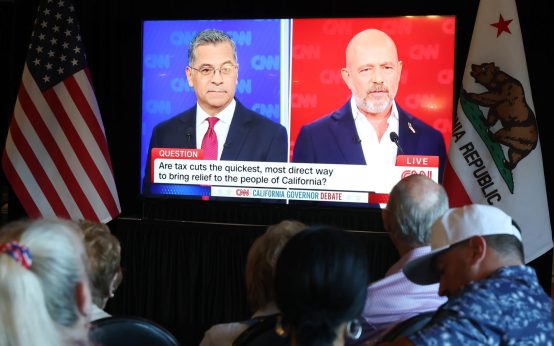 Highlights from the California Gubernatorial Debate: Becerra vs. Hilton
  Becerra vs. Hilton: The Debate and Key Issues in the California Governor Race
  Senate Confirms New Labor Secretary