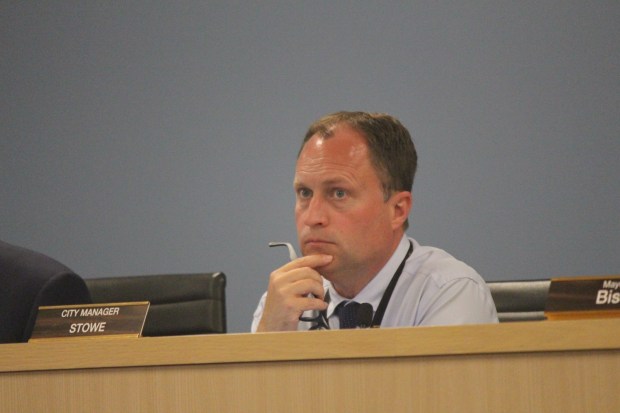
Evanston residents may face financial challenges in 2027 if current budget proposals go unaltered. City staff have suggested an 8.9% increase in property tax, a 25% hike in water rates, and additional costs on essential services like natural gas and garbage collection. Also proposed are higher taxes on non-essential services such as streaming and rideshare apps.
City Council members have expressed opposition to these increases, emphasizing the need to cut expenses rather than burden residents with higher taxes. The proposed budget requires City Council’s approval before Thanksgiving, covering Evanston’s fiscal year from January 1, 2027, to December 31, 2027. Additional funds aim to support the Parks and Recreation Fund and address the General Fund’s diminishing reserves.
Evanston also plans a $100 million Capital Improvement Plan, targeting infrastructure projects like the replacement of nearly 10,000 lead service lines, among other enhancements. City Manager Luke Stowe stated the budget focuses on financial health and infrastructure needs.
The proposed 2027 budget includes $349 million in expenditures, a $6.9 million increase from the previous year, largely due to rising costs in the city’s Grant and Insurance Funds. Employee health insurance expenses are projected to rise by 17% primarily due to increased usage of GLP-1 medications. The General Fund faces a $6 million deficit, an improvement from previous years’ deficits of around $10-12 million.
The proposed property tax increase would add approximately $180 annually for a median-valued Evanston home, costing $481,000. Streaming service subscription taxes are set to double and rideshare apps tax will increase. Increases are also expected for water and waste services to align with neighboring communities and support infrastructure investments.
Council members have voiced concerns about over-relying on taxation. Ald. Tom Suffredin noted the need for expense review over taxation. Discussions about staff reductions to find savings continue among officials.
About 80% of the General Fund expenses are tied to personnel, which complicates budget cuts without staff reductions,stated Michael Van Dorp, a senior financial analyst.
Ald. Matt Rodgers emphasized the need to balance employee-related expenses and taxpayer burdens, suggesting in-depth expense reviews. Ald. Clare Kelly proposed examining top-level salaries and potential reductions to achieve budget efficiencies.
While the initial proposal includes cutting seven full-time jobs, some Council members argue this may not suffice. Ald. Krissie Harris stressed the shared responsibility in budget restrictions. Ald. Bobby Burns defended existing staffing levels amidst resource strains and service delivery concerns.
Council members plan further discussions on October 26, with final budget approval potentially set for November 23.
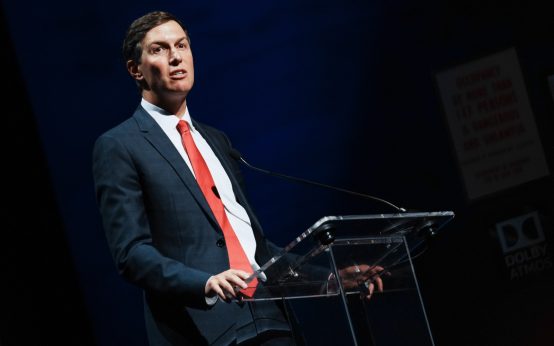 Jared Kushner’s Diplomatic Role Under Scrutiny Amid Lawsuit
  Americans’ Confidence in Food Safety Hits Record Low Amid Outbreaks
  Texas Senate Race: Data Centers and Key Positions
 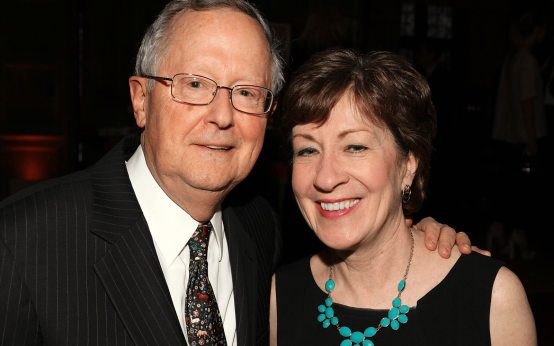 Examining Susan Collins’ Reelection Bid Amid Controversy
  Chinese Perception of American Political Turmoil: A Civics Lesson Unavailable at Home
 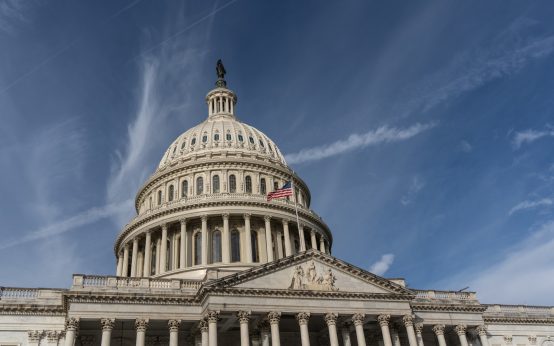 Republicans Face Senate Control Challenge Ahead of Midterms