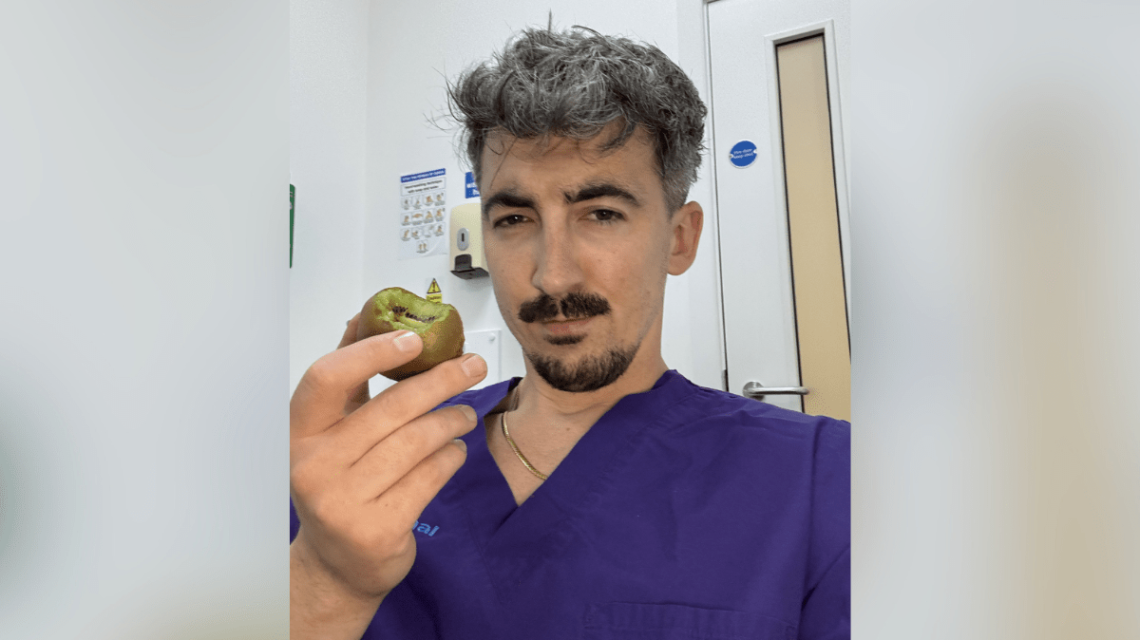
Jordan Haworth, a gastrointestinal physiologist at the Functional Gut Clinic in the U.K., has identified certain foods that he avoids to protect his gut health. Despite a rising interest in gut health, awareness of the gut microbiome and its impact remains low. A recent survey showed that 41% of Americans had not heard of the gut microbiome, and 50% did not know its effects on gut health.
Understanding Gut Health
The gut microbiome is a complex community of trillions of microbes in the digestive system, aiding digestion, producing beneficial compounds, supporting immunity, and guarding against harmful pathogens. Haworth emphasizes simplicity when considering gut health, preferring foundational elements over expensive supplements.
The Three Fs of Gut Health
- Fiber: Sources include beans, oats, apples, pears, whole grains, chia seeds, and psyllium.
- Phenols (Polyphenols): Found in foods like blueberries, red cabbage, coffee, dark chocolate, and olive oil.
- Fermented Foods: Such as yogurt, kefir, kimchi, and sauerkraut.
He also advocates for proper sleep, stress management, and regular exercise of at least 150 minutes weekly as crucial for gut health.
Food Poisoning’s Role in Gut Health
Haworth identifies food poisoning as a significant threat to gut health. Research links foodborne illnesses to ongoing gut problems, including post-infectious IBS. Bacteria responsible for food poisoning produce a toxin called CdtB, which can inflict long-term gut damage, increasing sensitivity to previously tolerated foods.
Strategies to minimize food poisoning risk include proper food handling and choosing safer eating environments.
Foods Haworth Avoids
1. Raw Oysters
Oysters can filter bacteria and pathogens from water. Although Haworth has tasted raw oysters, he would eat them again only if properly cooked or depurated using UV-treated water.
2. Rare Beef Burgers
The bacteria on minced beef may spread during processing, unlike steak. Therefore, Haworth prefers his burgers well-cooked to reduce risk.
3. Sushi
While sushi-grade fish is frozen to kill parasites, bacterial risks linger unless consumed quickly. Haworth suggests caution with discounted and shelf-sitting sushi.
4. Sprouts
Despite their nutritional reputation, sprouts pose a safety risk due to growth conditions and typically raw consumption. Haworth points out the bacterial-friendly warm and moist conditions during growth.
5. Pre-Packaged Salad Bags
The surprise addition to Haworth’s list is pre-packaged salads, known for contamination risks owing to handling during processing. CDC has frequently implicated raw produce like leafy greens in food poisoning outbreaks.
Haworth’s advice: buy and wash individual greens thoroughly to minimize contamination risk.
 Understanding Inflammation: Myths and Facts
  Calm Parenting: Strategies to Manage Stress
  Trump’s Executive Order to Combat Mosquitoes and Ticks in D.C.
  Overcoming Weight Loss Challenges: Brain Health and GLP-1 Medications
  Supporting Children’s Mental Health at Home: Practical Steps for Parents
  Abdul El-Sayed’s Strategy to Attract Health-Conscious Voters in Michigan