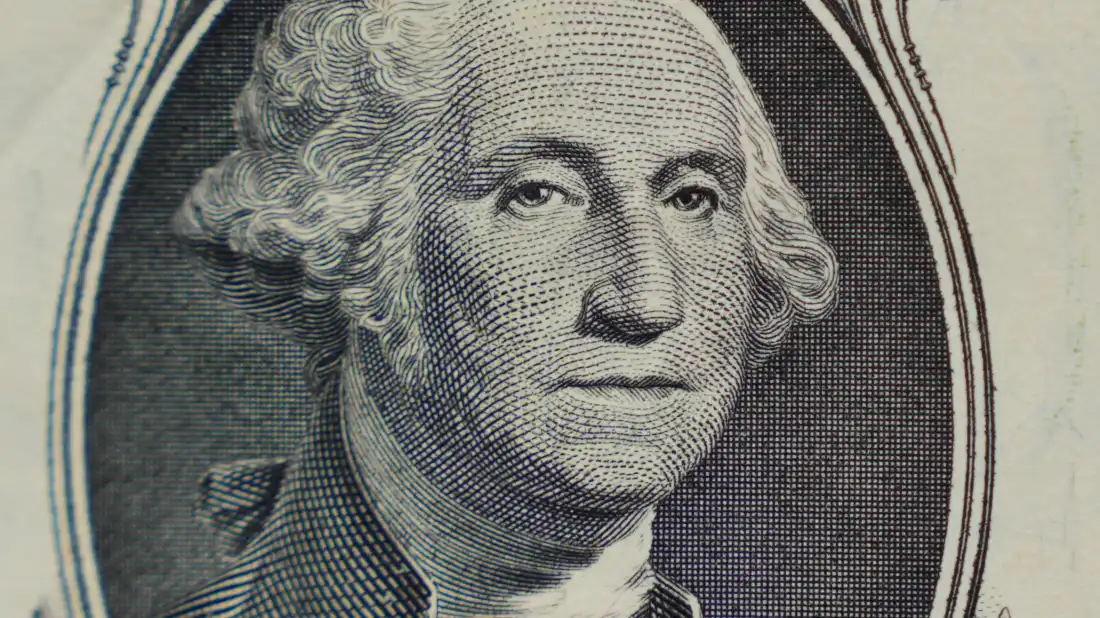
President George Washington appears on the United States $1 bill. This image symbolizes historical financial systems that impact our present-day views of financial security. Mona Chalabi, a Pulitzer Prize-winning journalist, spent five years interviewing 10 Americans with varying incomes to explore what financial security means to them.
Her findings are captured in the book, Ten Lives: How What We Have Shapes Who We Are. She explores why financial security feels elusive for many. Chalabi states she deliberately chose to study a broad spectrum of people, emphasizing power differentials rather than solely focusing on the wealthiest 1%.
Chalabi notes that many Americans, regardless of income, express anxiety about their financial future. She suggests this fear is connected to U.S. capitalism’s instability where a single crisis can lead to severe economic shock.
Many people consider themselves middle class, regardless of actual income. This perception affects self-identity and judgment of others.
Chalabi explains that being poor in the United States involves overcoming numerous obstacles, including stereotypes about intelligence and education. People often try to present as middle class to avoid discrimination, using things like clothing and cars to signal perceived wealth. It’s not just aspiration; it’s a strategy to mitigate social bias.
Parents and Economic Security
According to Chalabi, assessing someone’s financial security requires understanding their support network. This includes the financial circumstances of their parents. Household dynamics often contribute to one’s financial status and are intertwined with upbringing and parental professions. Most born into poverty remain in poverty, linking class identity with familial background.
Economic Compatibility in Partner Selection
Chalabi observed a trend where younger generations consider economic factors when choosing partners. Although ideals of independence and post-materialism persist, partners often share similar educational backgrounds due to the significant impact on income. A study by the National Bureau for Economic Research showed this trend strengthens over time, affecting overall inequality in the U.S.
Chalabi emphasizes that who we date and inherited wealth are pivotal in shaping inequality. She practices transparency regarding her financial situation, including sharing details of her book advance during interviews.
Judgments and Accents
Chalabi shares insights about her British accent affecting class perception. In the U.K., an accent can reveal much about social class. In the U.S., her accent has inadvertently afforded social advantages, often leading to assumptions of education and culture.
The team involved in the adaptation of this interview included Anna Bauman, Nico Gonzalez Wisler, Bridget Bentz, Molly Seavy-Nesper, and Beth Novey.