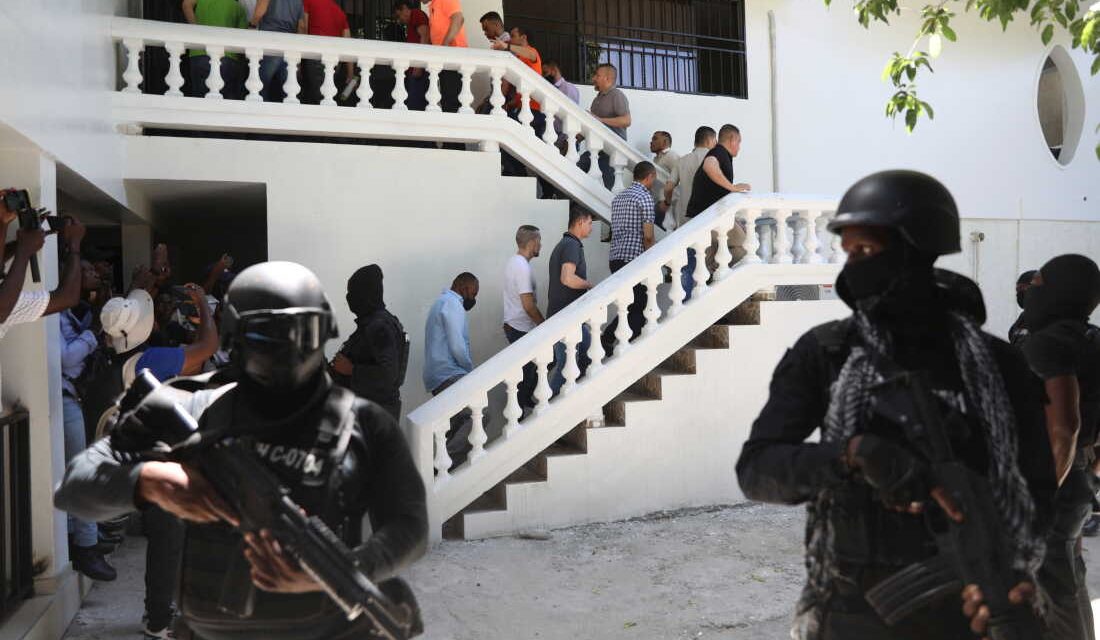
Eighteen suspects linked to the assassination of Haitian President Jovenel Moïse in July 2021 have been extradited to the United States. This marks the culmination of a prolonged legal process in Haiti. The suspects will face charges in Florida, as stated by Jason Reding Quiñones, U.S. Attorney for the Southern District of Florida. He emphasized the ongoing effort to ensure accountability for the assassination.
The suspects, who remained in Haiti awaiting trial, included 17 Colombian soldiers and Joseph Badio, a former employee of Haiti’s Ministry of Justice. Badio, considered a key suspect, was apprehended in October 2023 after evading capture for over two years. Some defense attorneys in the U.S. suggest Badio orchestrated a plan to arrest and subsequently assassinate Moïse. Colombian soldiers involved claimed they were coerced into signing documents in an unfamiliar language under duress.
Surprise Extradition and Concerns
Family members of the suspects were surprised by the extradition. Diana Marcela Arbeláez Llano, the wife of one detained Colombian, expressed concern about the move. She highlighted the dire health conditions the suspects endured in Haitian prisons and hoped for improvement in the U.S. She remains uncertain about the reason behind the extradition.
The Haitian Ministry of Justice announced the suspects were surrendered to ensure their trial. The Haitian government aims to strengthen its collaboration with U.S. judicial authorities, acknowledging ongoing challenges in local proceedings.
Challenges in Haitian Proceedings
Investigations into Moïse’s assassination faced numerous delays due to gang violence, death threats, and judicial system breakdowns. The Haitian courts faced resignations from judges who feared for their safety. Gangs also disrupted proceedings by seizing control of key judicial facilities.
Despite these obstacles, the U.S. has pressed forward with prosecutions. In May, a Florida jury convicted four men involved in the assassination plot, with five others already serving life sentences. Among those recently convicted are Arcángel Pretel Ortiz, Antonio Intriago, Walter Veintemilla, and James Solages. They were found guilty of conspiring to kill or kidnap Moïse and providing support for the plot.
Ongoing Legal Actions
Christian Sanon, a Haitian-American, is still awaiting trial. According to authorities, he was chosen by conspirators to replace Moïse. The plan involved awarding contracts to a company known as CTU for infrastructure and security projects. Ortiz and Intriago are linked to CTU, while Veintemilla was involved with Worldwide Capital Lending Group, both South Florida-based.
Key fugitives include Dimitri Hérard, the former security head at Haiti’s National Palace. Hérard escaped after gangs targeted and stormed major prisons.