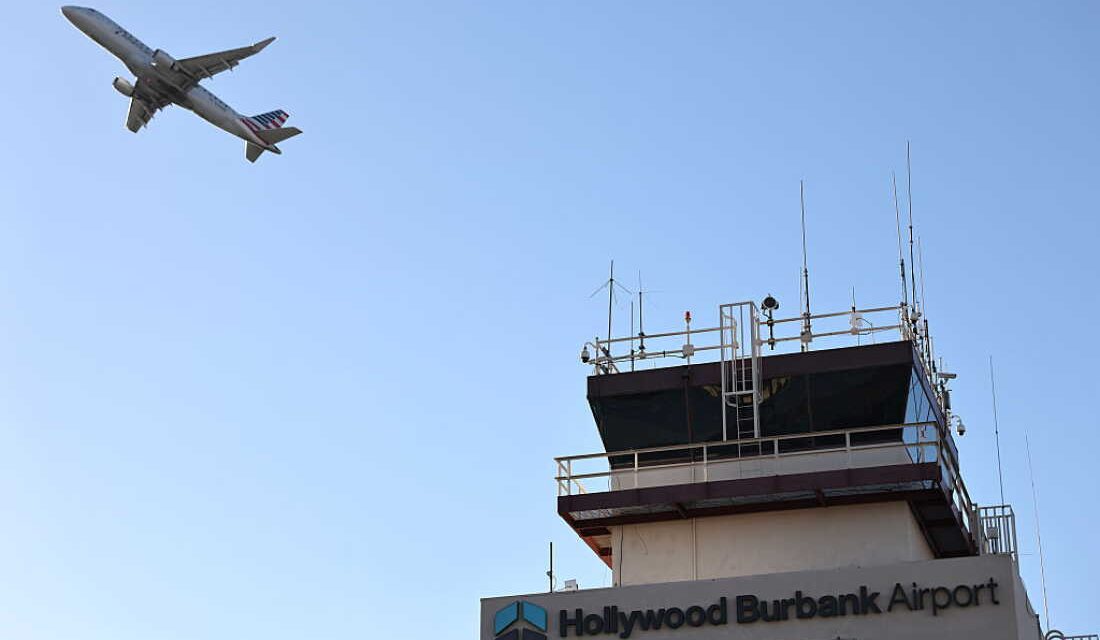
WASHINGTON — The Federal Aviation Administration (FAA) has announced a significant advancement in air traffic control by employing artificial intelligence. The agency officially launched its $875-million software overhaul, starting with three major airports in the Washington, D.C. area.
Introducing SMART
The new system, named Strategic Management of Airspace, Routes and Trajectories (SMART), aims to enhance the management of U.S. airspace. Transportation Secretary Sean Duffy stated, “SMART will slash those frustrating delays, reduce stress on air traffic controllers, and lower travel prices” by reshaping airspace management and anticipating issues before they arise.
FAA emphasizes that SMART is designed to assist rather than replace human air traffic controllers. By reducing air congestion and conflicts, the tool is intended to simplify controllers’ work. In a Senate hearing, FAA administrator Bryan Bedford remarked, “The way we manage traffic today is chaotic and we can do better.” He highlighted the need for FAA control over flight scheduling to prevent disorder.
Enhancements and Concerns
The SMART system will optimize airspace by evaluating planned airline flights alongside weather, wind, and other factors to adjust schedules, thereby minimizing congestion. This initiative forms part of a broader $12.5 billion effort to modernize the national air traffic control system.
The FAA has partnered with Air Space Intelligence for this task. While this company has previously developed AI tools for Alaska Airlines and others, this project represents a significant challenge due to its scale and prominence.
Mixed Reactions
Despite FAA leaders touting SMART as revolutionary, some skeptics remain doubtful. Dave Riley, a former air traffic controller, expressed skepticism about the tool’s impact on larger system issues, such as staffing shortages. He emphasized, “It won’t replace humans. It’ll be another tool in the toolbox.” The FAA still faces a deficit of certified air traffic controllers, leading to mandatory overtime and demanding schedules.
NATCA has not been involved in the design, testing, or implementation of SMART and therefore cannot speak to its effect on the air traffic control workforce at this time.
The National Air Traffic Controllers Association (NATCA) also distanced itself from SMART, citing a lack of involvement.
Nonetheless, Airlines for America, representing major airlines, welcomed the initiative: “Its potential to strengthen safety, increase capacity and improve efficiency will have a direct positive effect on American travelers.” The group described the effort as a bold move by the FAA.
 State Department Simplifies Passport Process with Online Applications
  Senate Democrats Block Data Center Bill Over Efficiency Concerns
  Future Cities: Ambitious Projects Aiming for Innovation and Sustainability
  High-Profile Hearing and AI Developments: Key Political Moves
  Key Events in Today’s Discussions Involving Jack Smith and President Trump
  Jack Smith Faces Scrutiny Amid Investigations into Trump