Twenty-five years after the attacks on September 11, nearly 3,000 families and victims still wait for justice. The accused plotters, including Khalid Sheikh Mohammed, face a tentative trial date set for June 5, 2028. This delay highlights ongoing legal challenges.
Legal Hurdles in Prosecution
Recently, a military judge ruled out certain statements made by Mohammed to FBI agents. This decision stemmed from coercive treatment he experienced while in U.S. custody. The government opted against appealing, fearing it could jeopardize the set trial date. Mohammed has been detained in Guantánamo Bay since 2003, awaiting trial on charges linked to the 9/11 attacks.
Years of Uncertainty and Delay
Delays have been constant since military commissions began in 2012, with issues such as changes in judges and unresolved motions. The defendants had been held in CIA custody where harsh interrogation techniques were used, complicating the case further. Defense attorneys argue that coerced statements should not be considered voluntary, while prosecutors insist later statements to the FBI should be admissible. The recent ruling barring Mohammed’s 2007 FBI statements underscores the challenge of separating evidence from coerced interrogations.
Impact on Victims’ Families
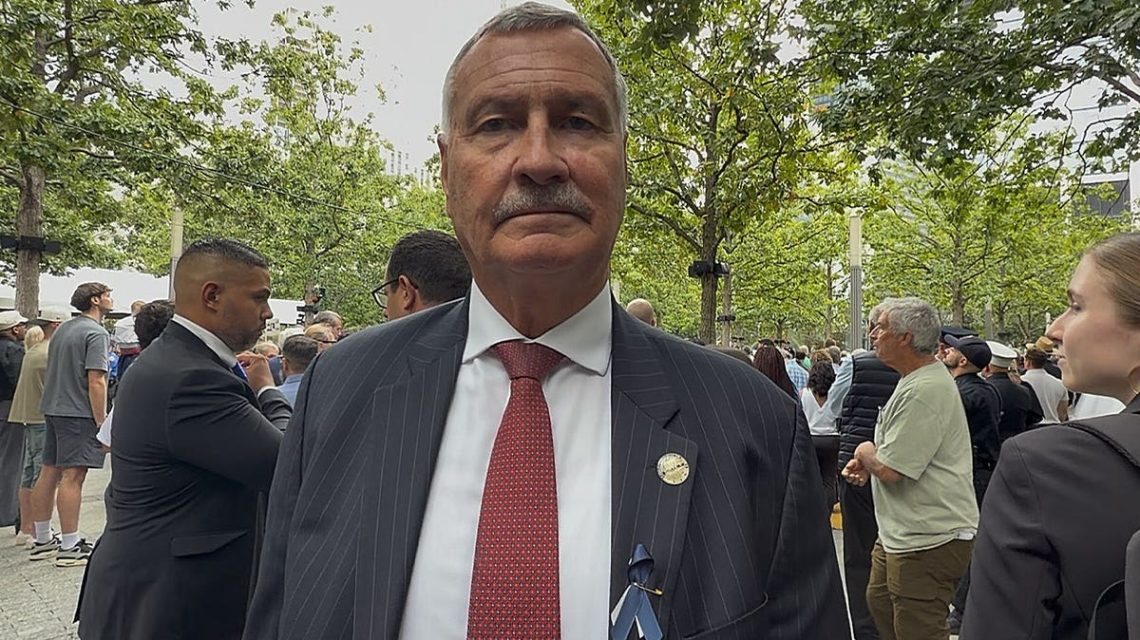
John Ryan, former Port Authority Police chief, expressed frustration over the ongoing delays. He lost 37 colleagues and continues to await justice. Sean Passananti, who lost his father in the attacks, described the situation as surreal and painful. He attends memorials annually, feeling compelled to honor those lost. Dennis McGinley, whose brother died, likened the delays to long-standing grief, describing it as an unhealed wound.
Protracted Legal Battles
The case has been complicated by failed plea deals and administrative changes. A previous plan to prosecute in federal court was scrapped due to opposition over security concerns. The costs for detaining the accused at Guantánamo have reached millions, yet no verdict has been reached. Additionally, a related civil lawsuit seeks clarity on potential Saudi involvement, though it remains separate from the Guantánamo case.
Future Uncertain
The scheduled trial date of June 5, 2028, means victims’ families may wait another five years for resolution. Concerns grow over whether elderly family members will live to see a verdict. John Ryan emphasized the need for a fair justice process, prioritizing victims over the accused. The long journey reflects a system struggling to deliver timely justice.
 British Police Arrest Man Suspected of Terror Plot
  Activists Push for Nationwide Ban on Child Marriage in the U.S.
  Investigation into Alleged Incident at Cornell University
  Rising Drone Threats Highlight Vulnerabilities in Moldova’s Airspace Defense
  Bolivia Faces Security Test Amid Unrest
  Incident on FlyDubai Flight Raises Security Concerns