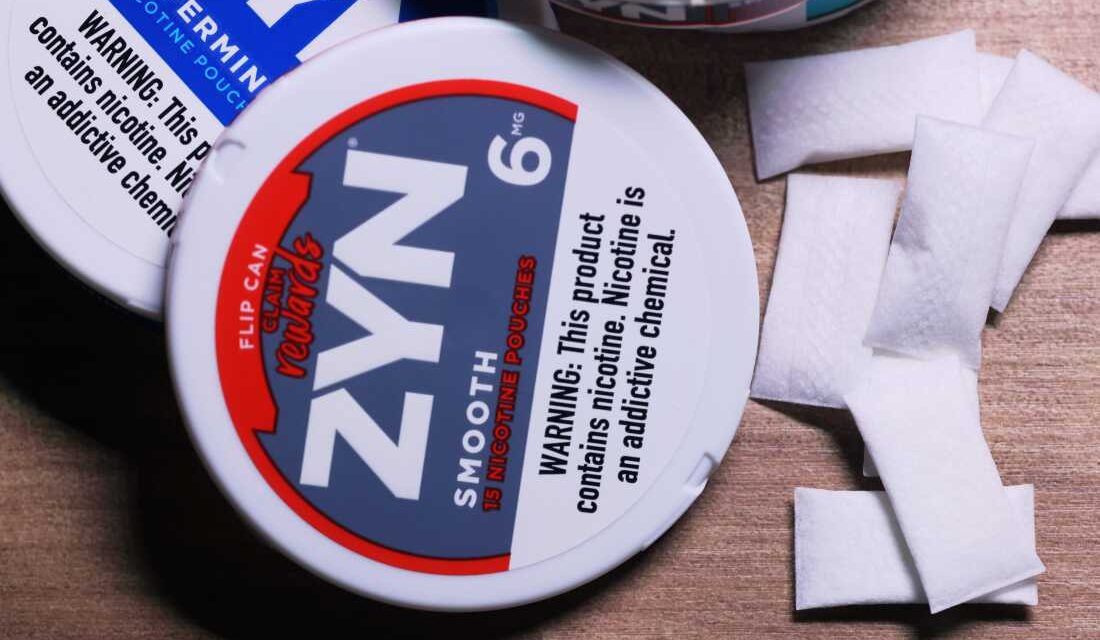
The FDA has permitted some Zyn nicotine pouches to be marketed as “lower risk” compared to cigarettes. These pouches, popular for their flavors like “Cool Mint,” “Smooth,” and “Chill,” are small and discreet, fitting easily between the lip and gum. They release nicotine and other chemicals into the bloodstream.
Recently, Zyn received approval from the FDA to state that using their pouches instead of cigarettes reduces the risk of mouth cancer, heart disease, lung cancer, stroke, emphysema, and chronic bronchitis. Bret Koplow from the FDA emphasized the importance of providing adult users with science-based information to make informed choices.
Some health researchers support Zyn as a safer alternative to traditional smoking, potentially helping to reduce the 480,000 U.S. deaths linked to tobacco annually. However, others warn it may lead to riskier nicotine habits, particularly among adolescents.
The Case for Zyn
Nicotine originates from the tobacco plant, although some products use synthetic versions. Advocates of nicotine pouches highlight their safety compared to burnt tobacco products. Mitch Zeller, a professor at Dartmouth, argues that these pouches are significantly less harmful than smoking.
Brian Erkkila from Philip Morris International, Zyn’s parent company, noted that Zyn helped him quit smoking. He also acknowledged the addictive nature of nicotine and potential risks, including heart issues and dental problems. The long-term effects of these nicotine pouches on oral cancer remain unknown.
Dr. Robert Jackler from Stanford points out that while nicotine pouches aren’t FDA-approved cessation tools, Zyn’s marketing strategies emphasize them as lifestyle products with flavors that attract users. While Zyn claims flavors assist in transitioning from smoking, experts like Mary Hrywna warn against youth usage.
Adolescent Use of Zyn
From 2024 to 2025, the use of nicotine pouches among 12th graders increased significantly. This rise concerns experts, given the potential impact on adolescent brain development. Emily Hilliard from the Department of Health and Human Services stated that the FDA remains focused on preventing youth access to tobacco.
Bonnie Halpern-Felsher, a professor at Stanford, has noted the presence of nicotine pouch use among students and stresses the importance of parent-child discussions on the issue. She coordinates with schools to educate adolescents about the risks associated with oral tobacco products.
Robert Jackler warns against starting nicotine use, citing severe health complications. He stresses that the suffering from addiction outweighs any perceived benefits.
 Increased Funding Needed for Psychiatric Hospitals
  Trump Administration Distributes ACA Refund Checks
  Higher Consumption of Ultra-Processed Foods Linked to Increased Health Risks
  Understanding Inflammation: Myths and Facts
  Calm Parenting: Strategies to Manage Stress
  Trump’s Executive Order to Combat Mosquitoes and Ticks in D.C.