A federal judge criticized the rhetoric used by lawyers in a criminal case initiated by the Trump administration, suggesting their arguments mirrored those suitable for “cable news.” U.S. District Judge Emily Marks of the Middle District of Alabama made these comments as she denied the Southern Poverty Law Center (SPLC)’s attempt to dismiss allegations of fraud brought against them. Marks asserted that the civil rights group did not prove the prosecutors were biased against them.
She expressed concern over the manner in which both parties presented their briefs, equating them to the heated discourse often found in modern political dialogue. “The parties’ briefing is, like much of our modern political discourse, heavy on heated rhetoric, better suited for cable news, or a podcast,” Marks wrote in her ruling. “It emphasizes noise over substance.” Requests for comments were made to the White House and SPLC, but no immediate responses were available.
Judge Rejects SPLC’s Claim of Vindictive Prosecution
The SPLC sought to have the case dismissed, claiming that the prosecution was vindictive and rooted in the Trump administration’s antagonism towards the organization. Marks rejected this argument, ruling that SPLC did not meet the required legal standard to show that the case was brought due to unconstitutional bias.
The judge, appointed by Trump, also denied SPLC’s request for discovery regarding the government’s motives. She stated, “Federal courts are not the proper forum for airing political grievances. For that reason, the doctrine of vindictive prosecution places a heavy burden on the accused, and decades of precedent counsels against its application here.” Marks stressed that there was no evidence to support allegations of animus by the prosecutors involved in the case.
Ruling Focuses on Constitutionality, Not Guilt
This ruling does not determine SPLC’s guilt concerning the underlying charges. Marks focused on whether the prosecution was constitutionally flawed. The SPLC cited public criticism by President Donald Trump and other officials as evidence of animosity. They also noted an investigation was revived after being closed during the Biden administration.
However, Marks concluded that the evidence did not prove any alleged animus had influenced the prosecutors. The charges against SPLC include wire fraud, false statements to a federally insured bank, and conspiracy to commit money laundering.
SPLC’s Response and Ongoing Legal Battle
The SPLC, charged with 11 criminal counts, denied the allegations, describing the prosecution as politically driven. “While the Southern Poverty Law Center is disappointed with the outcome of the motion, we will continue to vigorously defend ourselves, our staff and our work,” an SPLC spokesperson stated. “SPLC will continue to fight hate, and we will continue to envision and create a safer and more just world. The actions by the DOJ will not shake our resolve to fight for justice and ensure the promise of the Civil Rights movement becomes a reality for all.” The case will continue in court after this decision.
Judge Cites Political Nature of Dispute
Marks also criticized the political nature of the dispute, pointing to the use of public statements instead of legal evidence. The judge condemned both sides for engaging in personal attacks via press releases and social media. She emphasized that the role of federal courts is to apply legal standards based on the evidence presented, not to serve as a platform for political arguments.
Marks added that while President Trump’s rhetoric is widely noted, the SPLC did not establish that his criticisms demonstrated bias within the U.S. Attorney’s Office responsible for prosecuting the case.
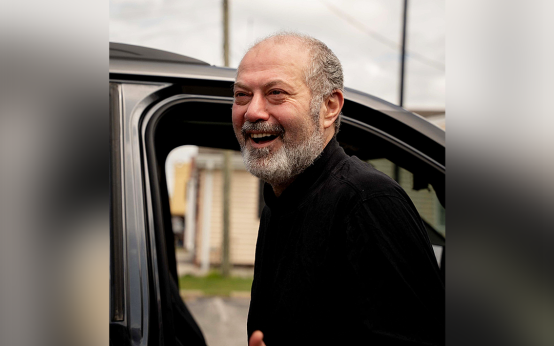 Immigration Judge Allows Deportation of Wisconsin Mosque Leader Salah Sarsour
 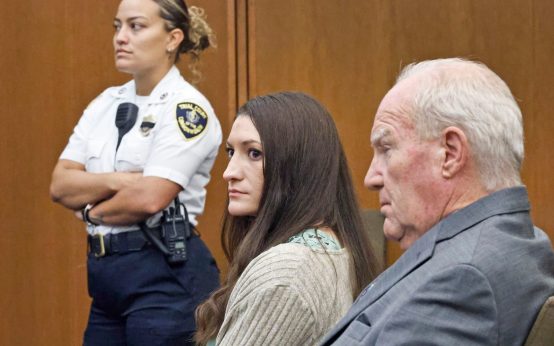 Lindsay Clancy Faces Potential Retrial After Mistrial
 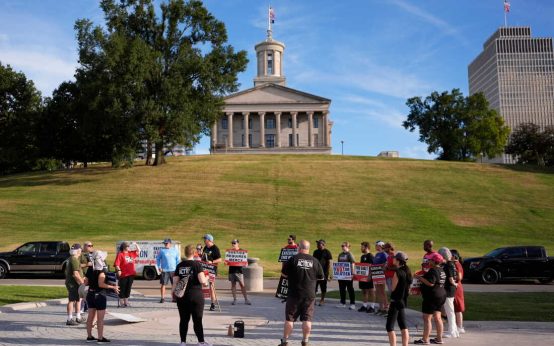 Tennessee Prepares for Rare Execution of Woman on Death Row
  Mistrial in Lindsay Clancy Case: Juror Speaks Out
  Utah Judge Orders Release of Man on Death Row After DNA Evidence Emerges
  Kurt Olsen Resigns from the Justice Department Amid Investigation