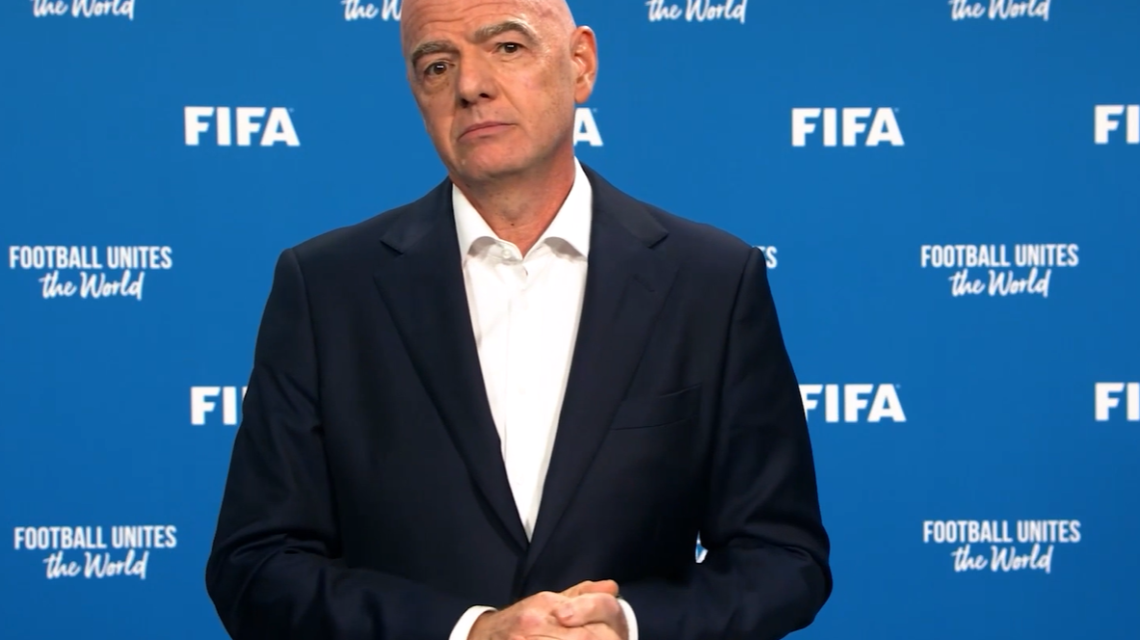
FIFA has proposed creating a $20 billion commercial subsidiary centered around the World Cup. This plan highlights issues of soccer governance and financial interests.
The initiative, known as FIFA Forward Enterprise (FFE), would combine commercial rights and event operations across FIFA tournaments, including the World Cup and Club World Cup. FIFA aims to attract long-term investors buying minority stakes, potentially raising $4.2 billion.
FIFA states that the funds raised would boost development funding for its 211 member associations. FIFA would maintain control over governance and sporting decisions. The proposal requires approval from a majority of member associations and the FIFA Council.
Despite concerns, FIFA assures that investors would not influence governance, tournament formats, or decisions over the World Cup’s frequency or expansion. Thrive Eternal, a capital holding company founded by Joshua Kushner, is expected to lead the proposed investors.
FIFA opened a representative office at Trump Tower, announced with President Gianni Infantino and Donald Trump, raising questions about the connections between FIFA and Trump’s circle.
FIFA insists that Thrive Eternal, led by Joshua Kushner, is independent of Trump administration ties. Thrive Capital declined to comment.
FIFA’s Objectives
The FFE aims to increase revenue from tournaments to enhance funding for national associations. FIFA plans to place its commercial rights within this subsidiary, assuring that investors won’t control football operations.
Significant financial opportunities are on offer, with each member potentially accessing $20 million through a new FIFA Fast Forward Programme. Long-term funding would also increase significantly for future cycles.
The proposal could impact voting and governance. FIFA’s one-member, one-vote policy gives each federation equal say, making the proposal enticing to smaller associations reliant on FIFA funding.
UEFA’s Concerns
UEFA strongly opposes the plan, stating, “It is not FIFA’s to sell.” UEFA argues that opening the World Cup’s commercial future to private investors could misalign incentives with clubs, players, and fans.
FIFA rejects this notion, arguing that FFE will bring expertise and resources while keeping sporting authority unchanged. Critics fear investor pressure could lead to more events and an overcrowded calendar.
The Influence of Trump and Infantino
The proposal follows the World Cup co-hosted by the U.S., Canada, and Mexico, during which Trump had multiple engagements with Infantino.
Trump previously established a White House Task Force to support the 2026 World Cup. It projected major economic benefits, including significant GDP growth and job creation.
Infantino’s relationship with Trump has drawn attention, with FIFA awarding a FIFA Peace Prize to Trump.
Conclusion
Under Infantino, FIFA has sought private capital for tournament business. A previous $25 billion proposal stalled due to European resistance.
Critics question who stands to benefit from the World Cup’s commercial value. FIFA asserts control over sports operations and assures funding allocation for infrastructure and women’s football.
Broader Opposition
CONCACAF expressed concerns about the proposal’s process, while the Asian Football Confederation criticized public disclosures. European Football Clubs noted they were uninformed until the media reports.
FIFA claims consultations began in July. Overcoming opposition hinges on persuading stakeholders of transparency and financial benefits.
Next Steps
Member federations must accept the $20 million offer by September 19, though approval from the FIFA Council is essential. A new commercial model could emerge or face challenges from UEFA and others.
 Nick Saban’s Comments on ESPN Spark Debate Over College Sports Regulations
  Freddy’s American Adventure: From Soccer to College Football
 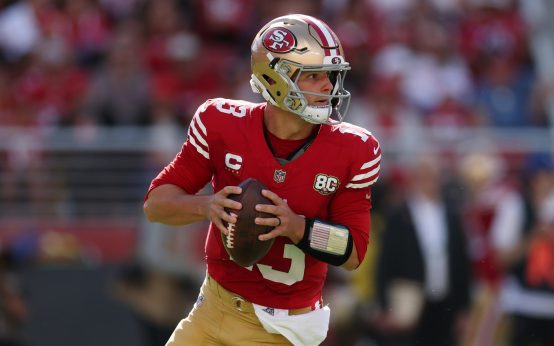 Brock Purdy’s Impressive Start in the 2026 NFL Season
  The Value of Retaining Miles McBride for the Knicks
  Penguins Make History with Dominant Season Opener
  Sonny Gray Expresses Frustration After Game Against Yankees