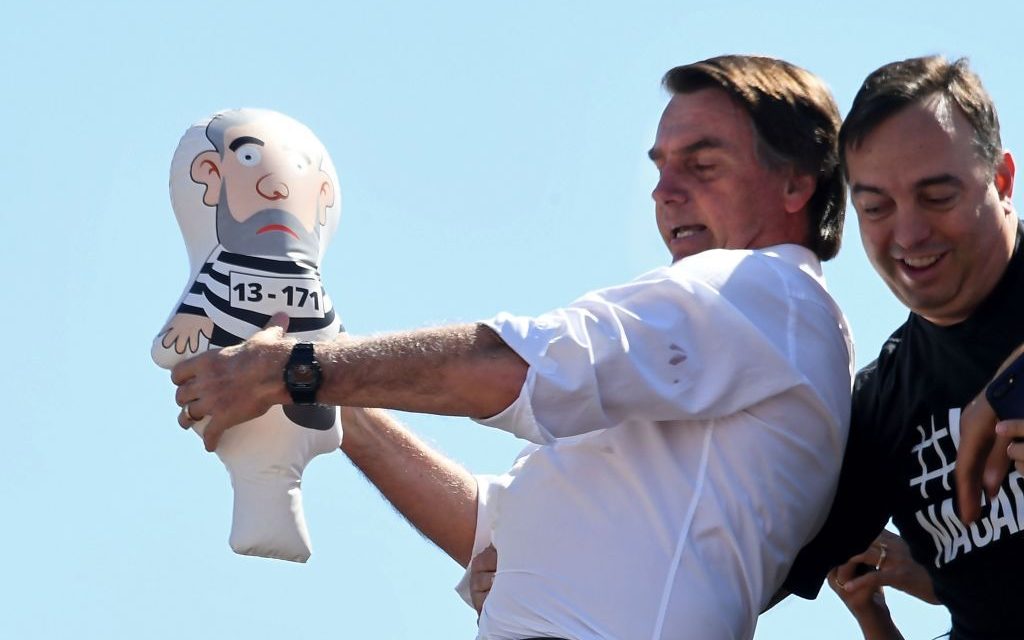
Flávio Bolsonaro, a senator and eldest son of former Brazilian President Jair Bolsonaro, aims to defeat current president Luiz Inácio Lula da Silva and free his father from a 27-year sentence. This mission combines political ambition and personal grievance. Experts believe the dramatic story might soon become a Netflix series.
Family Connections and Diplomatic Impacts
Flávio Bolsonaro’s campaign connects deeply with the U.S., where former President Donald Trump has historical ties to Jair Bolsonaro. The “Donroe Doctrine,” a strategic policy from Trump’s era, values Brazil as a key player in Latin America. Bolstering Brazil-U.S. ties would counter China’s influence, an objective shared by U.S. policymakers.
If Trump intervenes to support Flávio before the October elections, experts warn it may inadvertently strengthen Lula’s position. Trump’s involvement echoes past political maneuvers, with Trump previously endorsing Bolsonaro during Brazil’s 2022 election.
Election Dynamics
In 2022, the Brazil presidential election was fiercely contested. Bolsonaro and Lula exchanged harsh accusations. Lula painted Bolsonaro as a danger to democracy, while Bolsonaro called Lula a “thief.” Lula narrowly won with 50.9% against Bolsonaro’s 49.1%, marking Brazil’s closest election.
Following his defeat, Jair Bolsonaro contested the results, citing election fraud. These actions led to a conviction for an alleged coup attempt and a lengthy prison sentence. Meanwhile, Flávio Bolsonaro is pursuing a different strategy. His campaign emphasizes redemption and revenge. Recent polls suggest a close race, with potential for Flávio to win.
U.S. Interests in the Brazilian Political Scene
Flávio’s campaign ties into American interests outlined by the “Donroe Doctrine.” The strategy emphasizes enlisting allies in Latin America to curb competition from China. Under Lula, Brazil’s trade with China soared, affecting its relations with the U.S.
The Trump administration anticipates Brazil returning to closer U.S. ties if Flávio wins,” said Rafael Ioris, an expert in Latin American politics.
For the U.S., a Bolsonaro restoration could enhance strategic partnerships and trade relations. Flávio had discussions at the White House promoting cooperation, particularly in rare-earth resources. In return, he seeks to address crime by designating Brazilian gangs as terrorist organizations.
Challenges and Consequences
U.S. efforts to sway Brazilian politics have faced setbacks. Tariffs and sanctions against Brazil complicate international relations. Experts argue these tactics may boost Lula’s domestic support.
Despite challenges, the U.S. seems intent on advocating for Bolsonaro. Analysts suggest ideological motives drive these actions, although economic pragmatism could lead the U.S. to negotiate with Lula.
Ultimately, Flávio’s run for presidency serves dual purposes. It aims to restore both his father’s freedom and a pro-American stance in Brazil. However, excessive U.S. support risks strengthening Lula, undermining Trump’s objectives.
The unfolding political drama remains captivating, promising far-reaching implications for Brazil and international relations alike.
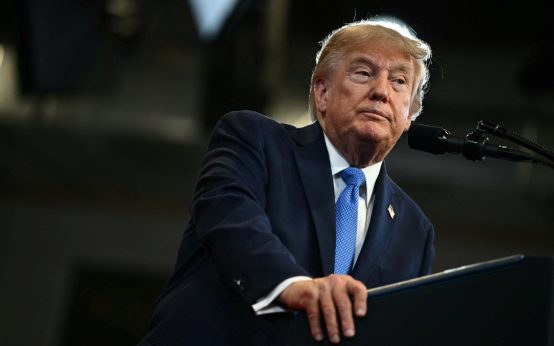 Trump’s Approval Ratings and Their Impact on Midterms
 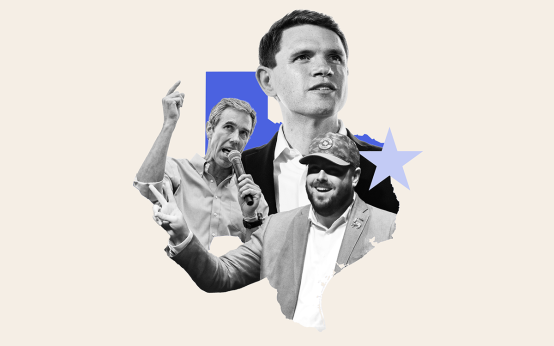 Democrats Eyeing Texas with Renewed Strategy
 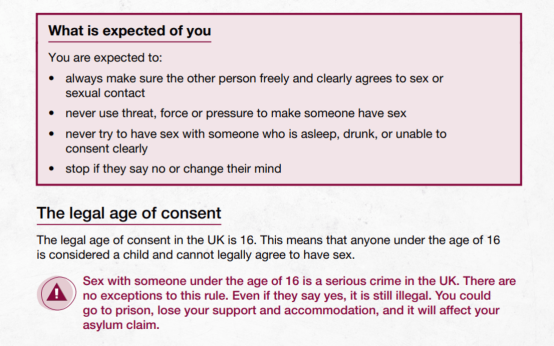 UK Guidelines for Asylum Seekers Highlight Consent and Gender Equality
  The Role of Said Bahaji and the Hamburg Cell in the Lead-Up to 9/11
  Darline Graham Addresses National Security Concerns
  Trump Threatens Economic Consequences for Countries Aiding Iran Amid Ongoing Conflict