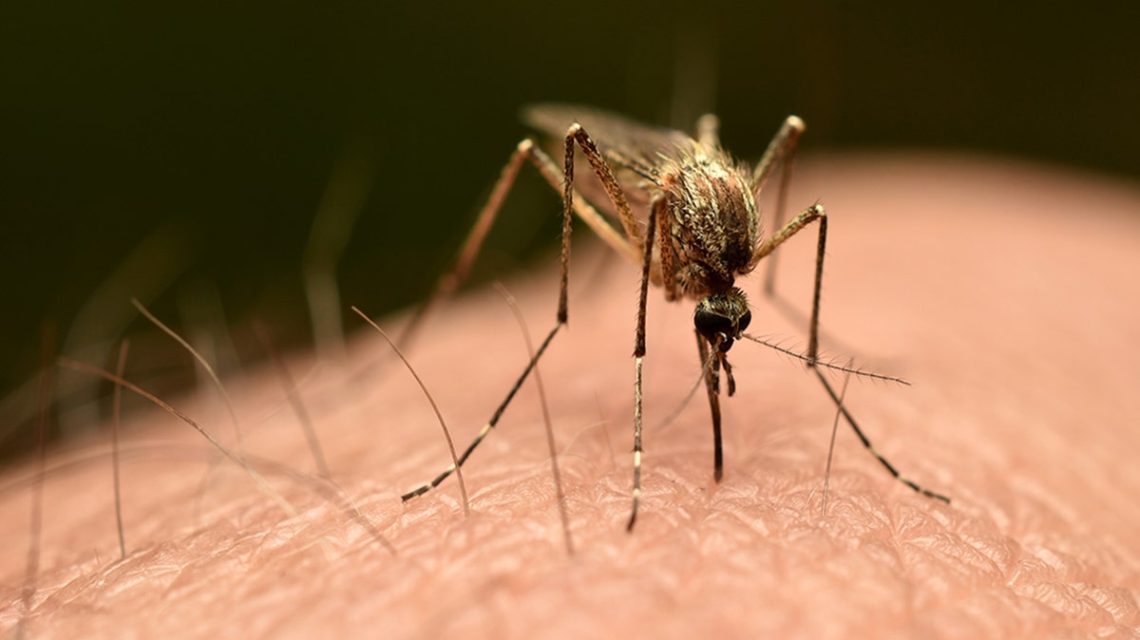
Florida mosquito-control agencies are escalating their efforts. They are increasing surveillance, inspections, and spraying. This comes as officials expect a rise in locally acquired dengue fever cases in Tampa Bay and across the state in the coming weeks.
As of September 1, Florida reported 33 dengue fever cases in Tampa Bay and 41 statewide. This marks a significant increase, as reported by Fox 13 Tampa Bay. Locally acquired cases refer to dengue contracted where people live, not abroad.
The Florida Mosquito Control Association (FMCA) noted 30 cases in Hillsborough County, seven in Miami-Dade County, three in Pinellas County, and one in Palm Beach County.
Both Hillsborough and Pinellas counties are under mosquito-borne illness alerts issued by the Florida Department of Health. Dengue is a mosquito-borne viral illness, leading to symptoms such as fever, severe aches, nausea, and rash. Rarely, it can cause life-threatening complications, according to the Centers for Disease Control and Prevention (CDC).
Dengue thrives in tropical and subtropical regions, like Southeast Asia, the Western Pacific islands, Latin America, and Africa. While less frequent in the continental U.S., cases have emerged in Florida, California, and Texas.
Hawaii has seen outbreaks, and the virus is prevalent in U.S. territories like Puerto Rico, the U.S. Virgin Islands, and American Samoa.
The CDC reported that 2024 saw a record number of dengue cases in the U.S. A total of 3,798 cases were documented from U.S. states and the District of Columbia, a 359% hike over the annual average from 2010 to 2023. Most cases were travel-related, with about 3% locally acquired.
Florida led the county in reported dengue cases that year, with 1,044 cases, comprising over a quarter of the total. The state had 85 locally acquired cases across 10 counties, compared to 18 in California and two in Texas.
Pinellas County Mosquito Control Director Alissa Berro explained that the virus doesn’t adhere to county borders. Mosquitoes that transmit dengue generally remain within a small area. However, travel within Tampa Bay increases the chances of local spread. An infected individual can infect a local mosquito, which can then transmit dengue to others, enhancing the potential for more local transmission.
Controlling the Spread
In response, mosquito-control crews in Florida have heightened aerial and ground treatments in dengue-prone areas. They are inspecting private properties for potential mosquito breeding sites, as reported locally.
The FMCA urges residents to eliminate standing water around homes. The dengue-spreading mosquito lays eggs in containers such as buckets, plant saucers, tires, and discarded toys.
The FMCA recommends following the “three Ds”:
- Dress in long sleeves, light colors, and closed-toed shoes outdoors.
- Defend with repellents containing DEET, picaridin, IR3535, or oil of lemon eucalyptus.
- Dump standing water from containers around the home. Regularly check yards.
Health officials advise residents in areas with dengue transmission to prevent mosquito bites. Although many with dengue show no symptoms, most who fall ill recover within one to two weeks, according to the Mayo Clinic. Severe dengue, a potentially dangerous condition, can develop quickly after fever subsides with symptoms like severe stomach pain, repeated vomiting, unusual bleeding or bruising, difficulty in breathing, extreme tiredness, or irritability.
Anyone experiencing these severe symptoms should seek immediate medical attention.
Teresa Mull, Fox News Digital’s Lifestyle team contributor.
 Historical Events in Chicago on October 1st
  Patrick McEnroe Advocates for Collegiate Athletic Reform
  Push for Reparations Faces Challenges and Calls for Strict Eligibility
  Texas Man Arrested for Threatening State Capitol Attack
  The Key Debate Between Xavier Becerra and Steve Hilton: What You Need to Know
  Physicians Urge Senate to Reject FDA Nominee