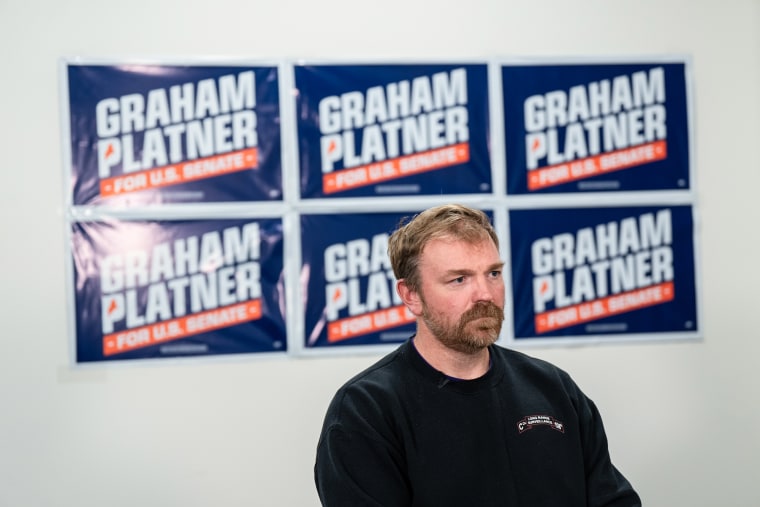
Graham Platner announced he is ending his Senate campaign, ending days of uncertainty and internal Democratic conflict. This development leaves the party without a candidate in the vital Maine race for this fall. The announcement comes after a woman accused Platner of sexual assault in 2021, affecting his support among Democratic allies. Many of them withdrew endorsements and urged him to drop out.
In a video message posted online, Platner denied the accusation as “false” but admitted it has “placed an immense amount of weight” on him. Platner felt that continuing his candidacy would harm his ability to fundraise, access voter data, or maintain his campaign operations.
“What comes next needs to come from the people, needs to come from the people of Maine. It needs to be open, transparent and democratic. It needs to be reflecting the will and the values of the people that built this movement,” Platner stated in his message.
Platner added, “We believe that for the movement to continue, it can’t be me. We’re not doing this because of the allegations but due to the structures being removed by those in power.” His withdrawal leaves the Maine Democratic Party with the option to find a replacement by July 27, as mandated by state law. The party has announced plans for a nominating convention to pick a new candidate.
Platner’s exit follows pressure from Senate Minority Leader Chuck Schumer and the Democratic campaign arm, who stated there would be no party investment in the Maine Senate race if Platner remained on the ballot.
Several influential Democrats, including Sen. Elizabeth Warren, Rep. Ro Khanna, and Sen. Bernie Sanders, publicly addressed the allegations, expressing concern and urging Platner to step aside.
This situation is challenging for Maine Democrats, who lack time for a primary campaign. The need for a less flawed candidate with a fighting chance against Republican Sen. Susan Collins is clear. Collins, seeking a sixth term, was first elected in 1996.
The Democrats aim for a net gain of four seats to control the Senate this fall, with Maine being a significant opportunity as their only blue-leaning state with a GOP senator.
Platner, a Marine veteran and oyster farmer, won the primary on June 9. His populist appeal and endorsements from progressives like Warren, Khanna, and Sanders played a significant role in his campaign.
The assault allegation, brought forward by Jenny Racicot, described a 2021 incident where Platner allegedly appeared at her home uninvited and intoxicated. Platner denied the accusation, stating, “Any accusation of nonconsensual behavior is categorically untrue.”
Platner’s past has been controversial. Allegations included a Nazi-associated tattoo, controversial Reddit posts, and allegations of toxic behavior. These revelations ultimately led to his allies withdrawing support after the sexual assault allegations surfaced.
Despite the end of his campaign, Platner urged his supporters to champion the values of his campaign, stating, “We’re going to win some day.”
 California Voters to Decide on $7.5 Billion State Research Fund
  Highlights from the California Gubernatorial Debate: Becerra vs. Hilton
  Becerra vs. Hilton: The Debate and Key Issues in the California Governor Race
  Senate Confirms New Labor Secretary
 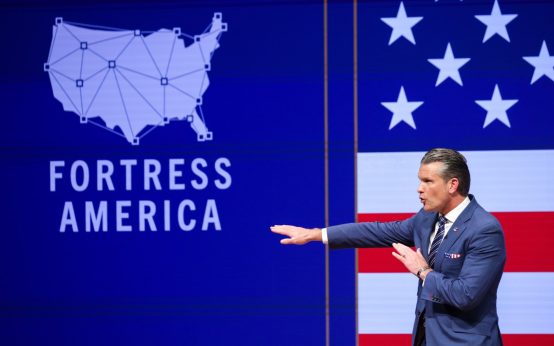 Hegseth’s Ambitious Military Initiatives to Reshape Warfare
  Pete Davidson Criticizes NYC Mayor Zohran Mamdani Over BQE Construction