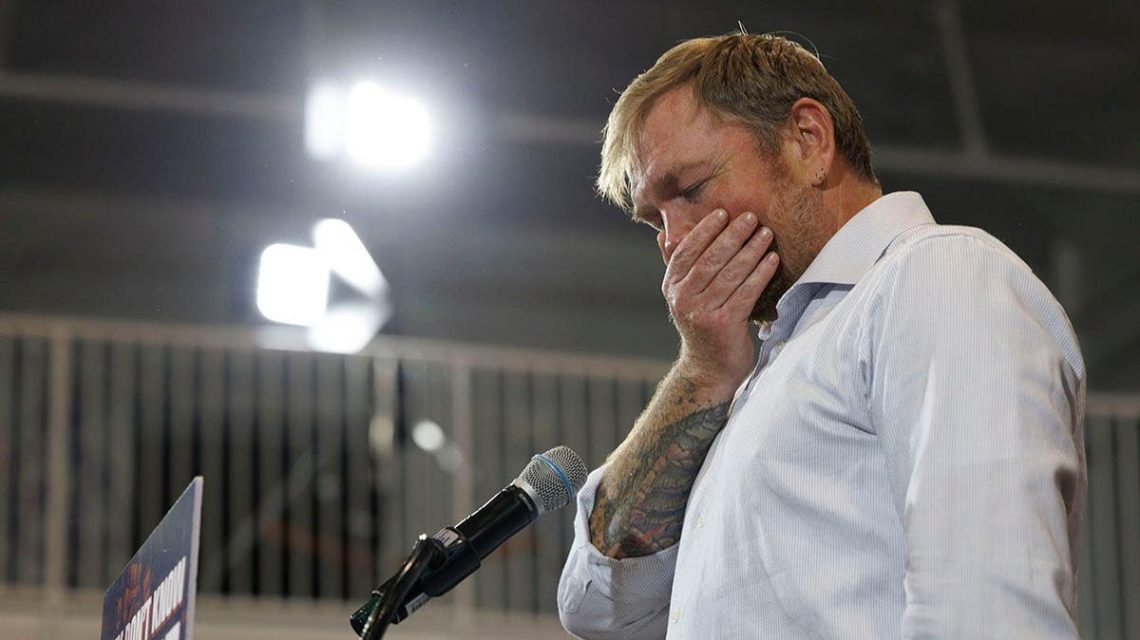
Graham Platner has announced his withdrawal from the Maine Senate race after facing allegations of rape from an ex-girlfriend. While he denied these claims, the controversy led to significant pressure from top Democrats both locally and nationally to step down. Platner, known for his populist approach and initially supported by Senator Bernie Sanders, was challenging Republican incumbent Susan Collins in an important Senate race. This contest is one of several that will determine the control of the Senate in the upcoming elections.
Platner shared his decision to suspend his campaign in a social media video, noting that the movement he represents would be better served by someone else. His exit comes just before a crucial legal deadline, allowing Maine Democrats to nominate a replacement for the general election ballot. His decision follows a landslide victory in the June 9 Democratic primary but comes after allegations surfaced, prompting him to reconsider his position.
Recent accusations were first detailed in an explosive report, leading to significant political repercussions. Jenny Racicot, a resident of Maine, accused Platner of rape during an interview with CNN and Politico. She described a past incident in which Platner allegedly forced her to have unprotected sex. In response, Platner has categorically denied these claims, describing them as politically motivated and false.
The situation was further complicated when another former girlfriend, Lyndsey Fifield, accused Platner of sexual impropriety, claiming he removed a condom during intercourse against her wishes. Fifield’s allegations, which also include claims of physical misconduct, have been similarly dismissed by Platner’s campaign as unfounded and politically driven.
Platner’s campaign faced numerous controversies, including inflammatory remarks from a deleted Reddit account, a tattoo resembling a Nazi symbol, and sexually explicit communications while still married. Despite a tumultuous campaign, he emphasized on primary night that he had changed and was committed to bettering the country.
His withdrawal has prompted Maine Democrats to act quickly, with plans to nominate a new candidate by the July 27 deadline.
Platner’s decision has sparked discussions among Democratic leaders, with several urging him to step aside to allow the selection of a nominee who can effectively challenge Collins. Leading figures like Senator Chuck Schumer and Rep. Ro Khanna have withdrawn support, citing the serious nature of the allegations against him.
Platner initially garnered interest and support for his campaign due to his service as a Marine Corps combat veteran, his political stance, and backing from influential figures such as Sanders. However, the allegations and controversies have overshadowed his campaign, drawing significant attention and criticism.
In the upcoming election, defeating Susan Collins remains a difficult task. Despite past predictions of her defeat, Collins remains a formidable candidate as she runs for her sixth term in the Senate, contributing to the Democrats’ strategy to gain a majority.
 The Trump Team’s Challenge to the Military Leadership
  Maryland First State to Restrict Electronic Pricing in Grocery Stores
  Activists Push for Nationwide Ban on Child Marriage in the U.S.
  Democratic Hopes and Historical Warnings in 2026 Senate Race
  Republicans Face Challenges Amidst Cost of Living Concerns
  A Different Kind of Fall for Congress This Year