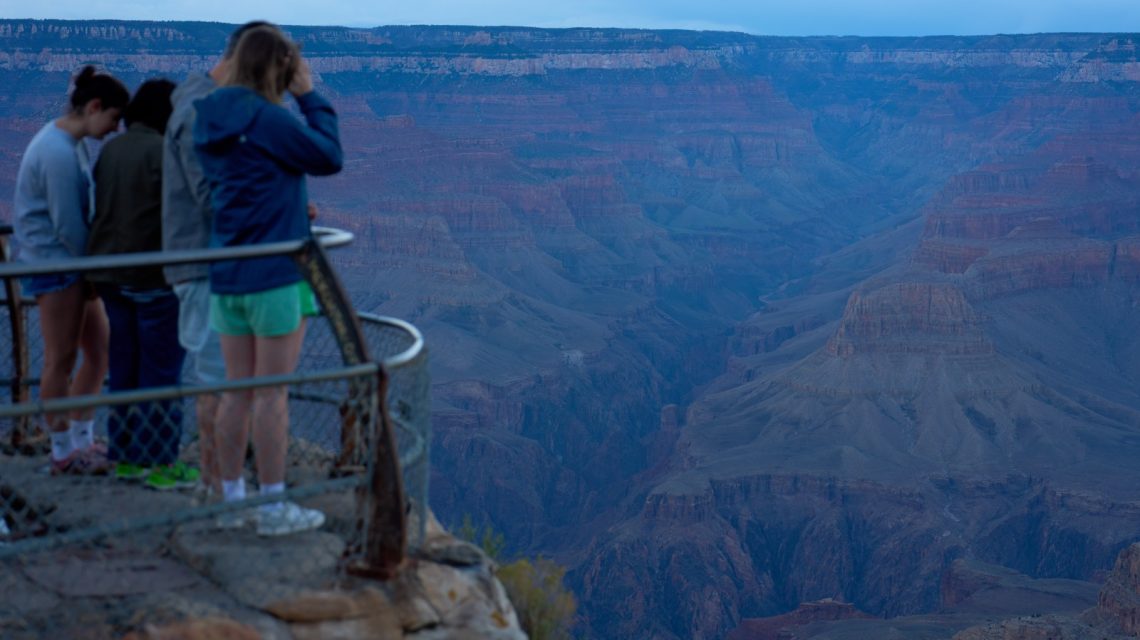
Recovery Efforts Underway
Federal officials confirmed the recovery of two bodies following devastating flooding in the Grand Canyon, sparked by torrential rain. Search operations continue after the flood severely impacted Bright Angel Canyon, damaging the Transcanyon Waterline, causing fatalities, and leaving around 15 individuals unaccounted for.
A spokesperson for the National Park Service (NPS) shared, “Two bodies have been recovered.” Preliminary damage assessments reveal approximately 40% of the crucial Transcanyon Waterline was damaged or destroyed, potentially affecting recovery timelines and efforts.
Visitor Guidelines and Current Conditions
Officials advise visitors to avoid the closure area within the park during ongoing recovery operations. Areas affected include Phantom Ranch, Bright Angel Campground, Phantom Ranch Canteen, and the North Kaibab Trail stretching from the North Kaibab Trailhead to Phantom Ranch.
Updates from the Department of Interior and other officials were expected during a press conference later in the day. Meanwhile, the National Weather Service (NWS) officials in Flagstaff reported a 60% to 70% chance of thunderstorms before the deadly flood. Intermittent rain led to a flash flood alert at 2:42 p.m. Saturday, just minutes after a severe thunderstorm warning.
Impact on Infrastructure and Landscape
Intense rainfall rapidly overwhelmed Bright Angel Creek, turning it into a hazardous torrent that swept debris and mud through hiking and camping areas. More than 60 individuals were airlifted due to impassable trails and footbridge destruction. The flood reshaped the landscape, widening creek beds and altering river rapids.
Physician Parth Desai, present during the flooding, recounted rapid flooding and debris, describing waterfalls appearing suddenly. Rescue teams later airlifted Desai from Phantom Ranch.
Transcanyon Waterline Crisis
The flooding caused significant damage to the Transcanyon Waterline, responsible for supplying potable water to millions of visitors and residents of Grand Canyon Village. With 40% of the pipeline destroyed, water supplies are insufficient for lodging within the park.
Tourists are unable to stay overnight, and residents must conserve water. The park emphasizes the urgent need to ensure sustainable water resources.
The water infrastructure was already undergoing a $208 million rehabilitation, scheduled for completion in 2024, but the flood may extend the timeline due to increased damage, raising potential costs further.
Access Restrictions
The NPS has restricted access to several inner canyon areas to prioritize recovery efforts. The closures apply to Phantom Ranch, Bright Angel Campground, Phantom Ranch Canteen, and sections of the North Kaibab Trail.
Visitors are encouraged to comply with closure guidelines to remain safe and facilitate recovery operations. While accommodations are available outside the South Rim entrance, interior canyon travel is heavily restricted.
Potential Future Weather Threats
Forecasts are tracking remnants of a tropical storm or hurricane potentially heading toward California, presenting a risk of heavy rain, wind, and perilous sea conditions for the West Coast. These conditions may further saturate the atmosphere over the Intermountain West, impacting the already affected canyon region.
 Cargo Plane Crash at Miami International Airport
  Marine Veteran Suing Oregon School District Over Curriculum Reimbursement
  Tennessee Execution Halted as Issues Persist with Lethal Injection Protocol
  Judge Dismisses Case Against Former Olympian Over Lincoln Memorial Incident
  Minnesota Family Files Civil Rights Lawsuit Over ICE Agent Shooting
  California Bans Child Marriage, Protecting Minors