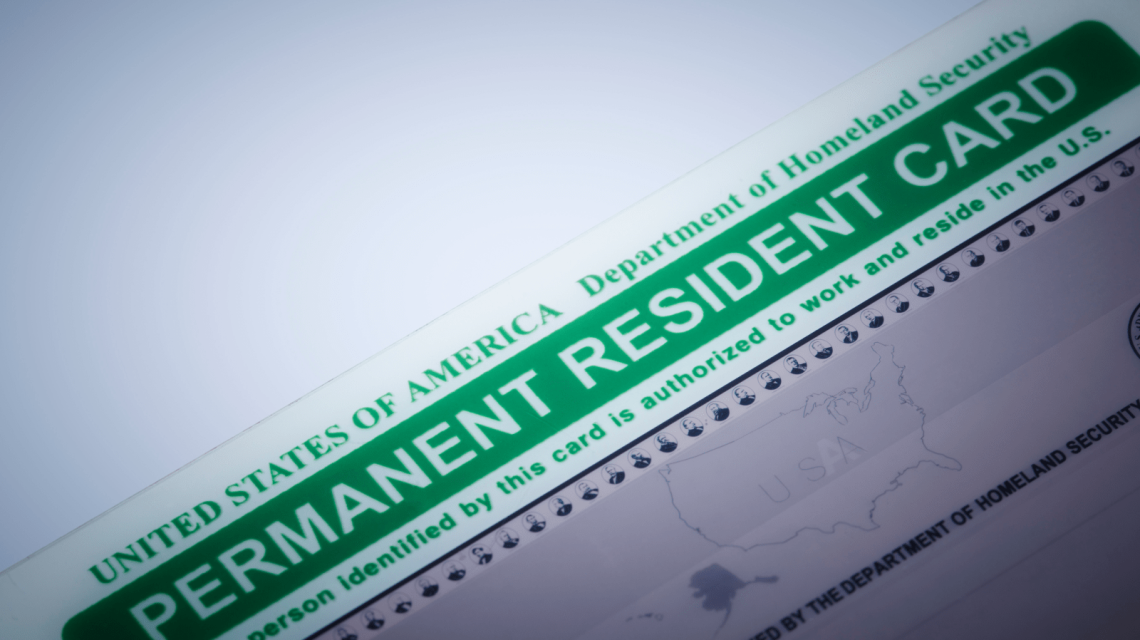
Green Card Approval Trends
Recent actions by the Trump administration are tightening access to legal immigration pathways. In fiscal year 2025, the U.S. granted green cards to 350,120 individuals. Of these, 190,350 adjusted their status from within the country, while 159,770 arrived from abroad. The Department of Homeland Security (DHS) provides these figures.
The data comes from fiscal year 2025’s first quarter (October 1 to December 31, 2024), based on the Office of Homeland Security Statistics’ quarterly report. This information, collected under the Biden administration, shows a breakdown of green card recipients by nationality and admission type. This snapshot precedes major policy changes that aim to restrict key pathways to obtaining a green card.
Impact on Immigration Rules
Green cards have gained national attention as the Trump administration enacts rules that complicate obtaining permanent residency. In May, U.S. Citizenship and Immigration Services labeled “adjustment of status” as an “extraordinary” relief measure. This move transforms it from a routine process to a more selective one.
Now, most immigrants on temporary visas in the U.S. are expected to return to their home countries to apply for permanent residency. Only in exceptional cases are domestic approvals expected. This policy shift could significantly affect immigrants accustomed to staying in the U.S. while their applications are processed.
Nationalities Receiving Green Cards
Mexican nationals received the most green cards in fiscal 2025, totaling 40,790 approvals. Following Mexico were Cuba with 30,050, Afghanistan with 18,330, China with 17,150, and India with 15,460. Other notable countries included the Dominican Republic with 14,500, the Philippines with 10,250, El Salvador with 10,050, Vietnam with 9,170, and Pakistan with 8,160.
Methods of Obtaining Green Cards
Family-based immigration remained the primary path to permanent residency. Immediate relatives of U.S. citizens accounted for 139,560 approvals. This includes spouses, parents, and children of U.S. citizens. Family-sponsored preferences followed with 65,490 approvals, refugees with 43,540, employment-based immigrants with 41,940, and asylees with 27,930.
Subcategories within the family system also showed large numbers, such as spouses of U.S. citizens with 73,330 approvals and parents with 48,750.
Potential Changes to Green Card Issuance
Adjustment of status permitted 190,350 applicants in fiscal year 2025 to obtain green cards without leaving the U.S. The new policy from USCIS suggests using this method is largely discretionary. Applicants are now encouraged to apply through consular processing abroad unless they surpass a rigorous approval threshold. This transition could decrease domestic approvals and increase dependency on international visa processing.
Broader Administrative Actions
The Trump administration has extended travel and visa restrictions to many countries. Some asylum and immigration benefit applications have been paused or delayed. Refugee admissions face reductions, while vetting requirements have increased. Additionally, stricter scrutiny and enhanced background checks have added layers to the green card application process.
 The Trump Team’s Challenge to the Military Leadership
  Maryland First State to Restrict Electronic Pricing in Grocery Stores
  Activists Push for Nationwide Ban on Child Marriage in the U.S.
  Democratic Hopes and Historical Warnings in 2026 Senate Race
  Republicans Face Challenges Amidst Cost of Living Concerns
  A Different Kind of Fall for Congress This Year