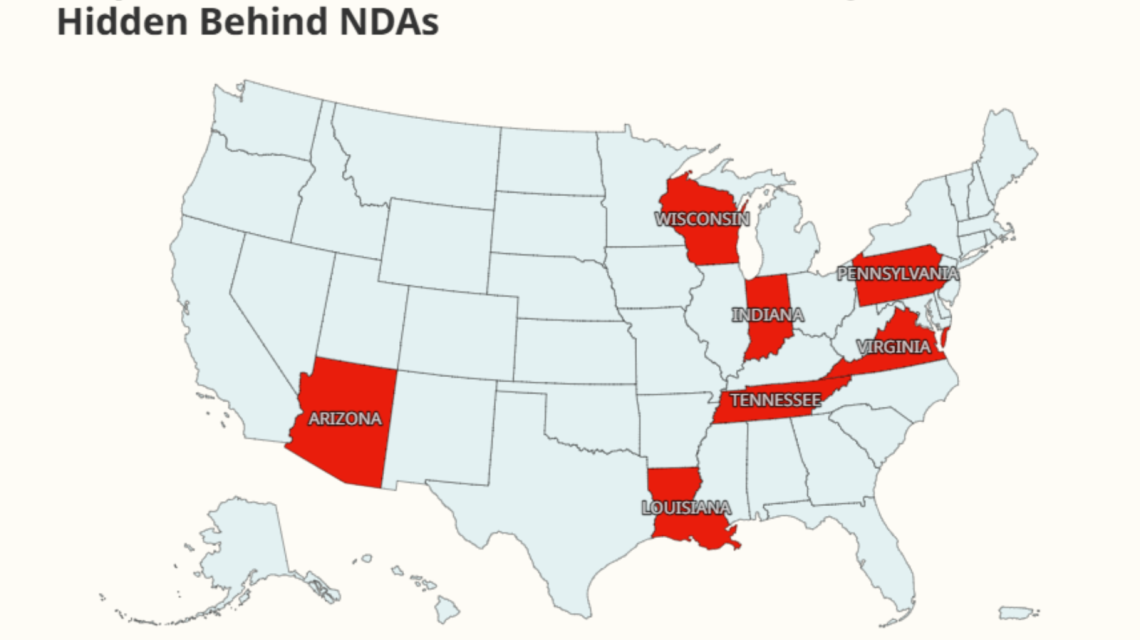
As artificial intelligence expands rapidly, the United States is witnessing a surge in data center construction. This growth has led to scrutiny over nondisclosure agreements (NDAs) signed by local governments. These agreements often limit what officials can disclose about proposed projects. Critics argue that these NDAs reduce transparency, which impacts energy grids, water supplies, and local communities. Proponents believe that confidentiality is necessary during sensitive business negotiations.
Pennsylvania’s Role in the NDA Debate
The state of Pennsylvania has become central in the national NDA debate. An investigation by Center Square revealed that four out of nine data center projects, previously part of Governor Josh Shapiro’s “Fast Track” permitting program, involved municipalities with NDA-signing officials. Kline Township, another area, stopped responding to inquiries about potential confidentiality agreements.
The agreements pertained to projects tied to companies like Amazon, Quality Technology Services, and Oracle America. Governor Shapiro later changed his stance on data centers. He signed an executive order removing data centers from the fast-track permitting program. This order also banned the use of NDAs by state agencies in future data center projects.
Similar NDA Challenges in Other States
Pennsylvania is not alone in facing NDA concerns. In Virginia, the nation’s largest hub for data centers, a report showed that 25 of 31 localities with data centers had signed NDAs with developers. This suggests that confidentiality agreements are becoming routine in data center negotiations.
Arizona is another focal point. Senator Richard Blumenthal highlighted Amazon’s attempts to limit what officials in Pima County could say about a proposed $3.6 billion project. This issue is part of a broader Senate investigation into data center secrecy.
In Louisiana, NPR reported that negotiations for a large Applied Digital data center in Rapides Parish occurred under NDAs. Residents expressed concerns about the lack of public information available during the decision-making process.
In Tennessee, questions arose over NDAs related to xAI’s “Colossus” facility near Memphis. Public Citizen reported that these NDAs limited public understanding of the facility’s environmental and infrastructure impacts until just before operations began.
Wisconsin is another key battleground in this debate. Wisconsin Watch found officials in at least five communities, including Beaver Dam and Kenosha, signed NDAs for major projects. The secrecy shrouded some billion-dollar developments from public view during negotiations.
Indiana has faced similar concerns. Officials in Posey County admitted to signing an NDA with a company exploring a data center. In Franklin Township, a Republican council member disclosed that he signed an NDA related to a proposed data center campus.
The Implications of Data Center NDAs
Critics see NDAs as a conflict between AI infrastructure growth and public accountability. They argue that data centers can increase electricity demand, water usage, and noise and alter land use. Transparency advocates believe residents should be informed about projects before permits are issued.
Transparency has gathered federal attention. In March, Senator Blumenthal launched a nationwide probe into NDAs that might limit public disclosure of data centers’ energy, water, and community impacts. He contends that communities deserve more transparency for projects impacting infrastructure and utility costs.
Supporters of NDAs maintain that these agreements are standard in commercial negotiations. They argue that companies need to protect business secrets, land strategies, and competitive plans during site evaluations.
Nationwide Challenge of Data Center Transparency
The proliferation of NDAs highlights the broader challenge for communities as AI demand drives a rush to build data centers nationwide. While developers view these structures as essential for AI service infrastructure, critics see the secrecy as excluding residents from community-altering decisions.
As data center construction continues, the debate over transparency and confidentiality seems destined to be as important as the projects themselves.