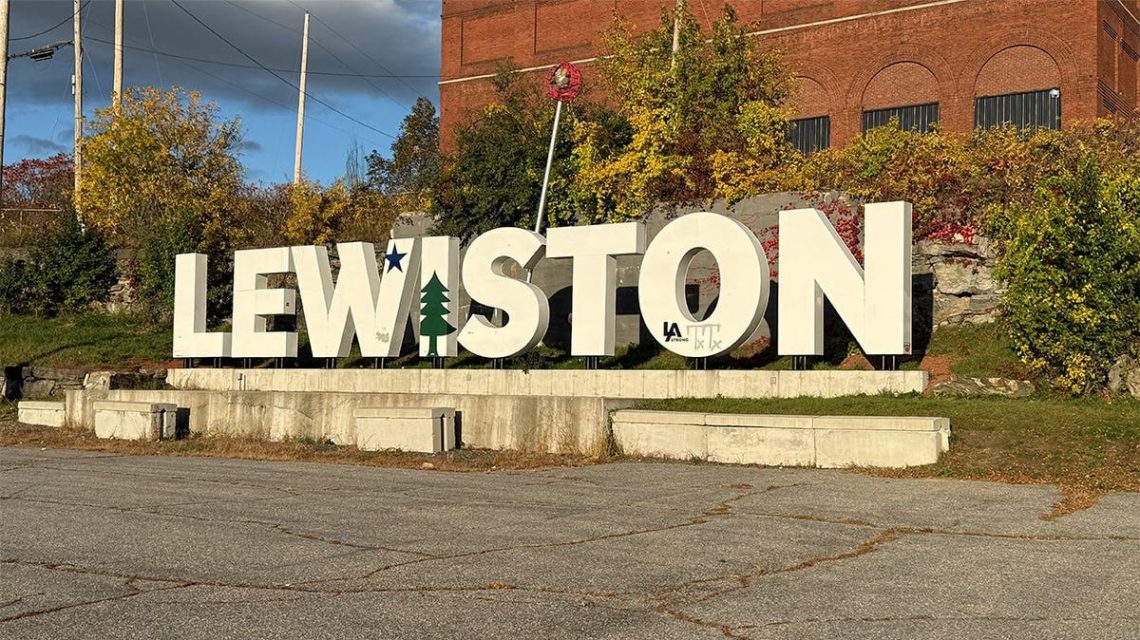
Lewiston, a city in New England, faces increasing youth gun violence alongside its significant immigrant and refugee influx. Police report 35 gun-related incidents this year, with 22 involving juveniles.
Mohamed Muhumed, a local teenager, expressed his concern: I don’t feel safe. I fear for my life.
He described witnessing violence firsthand, highlighting the city’s ongoing challenges.
As Maine’s second-largest city, Lewiston hosts a large refugee population from Somalia and other African nations. The city’s Police Chief, Carly Conley, identifies gun violence as a severe public safety issue.
Reporter Jon Fetherston from The Maine Wire comments that youth arrests are prevalent. He observes repeated offenses by teenagers who are quickly released back on the streets. This situation frustrates not only the community but also the District Attorney, as courts fail to keep offenders detained.
In response, city officials allocated $200,000 for additional police overtime to bolster patrols and enforcement. They also advocate for changes in Maine’s juvenile justice system. These adjustments include addressing repeat offenders and stricter evaluations before releasing high-risk juveniles.
Mayor Carl Sheline emphasizes the importance of community cooperation. He states, Parental involvement and accountability are key to reducing youth gun violence in our city.
Yet, some believe systemic change is necessary, as noted by former city council president and mayoral candidate Rick LaChapelle. He criticizes the current system where offenders are inadequately managed, citing repeated arrests without resulting in significant consequences.
While no official data links Somali residents directly to the violence, there is public concern. Some locals like Mohamed Adbei argue against ethnicity-based assumptions, noting that the issue pervades all youth groups. Ifraax Saciid, a Somali native, concurs, pointing to economic hardship as a root cause rather than ethnic identity.
Saciid explains, I think the root cause is poverty here in Lewiston.
She believes the situation mirrors challenges across the United States, emphasizing that fraud and poverty are not confined to any single group.
Lewiston’s transformation began 25 years ago when Somali refugees and other migrants sought safety and affordable living in the city. The city now has one of the highest per capita Muslim populations in the country.
Reflections on past statements by leaders, such as former Mayor Larry Raymond, draw mixed reactions. Some see his warnings of resource strain from rapid influxes as prescient, while others like LaChapelle call for legal immigration reforms coupled with economic self-sufficiency to address long-standing welfare dependencies.
 Virginia Residents Sue Over Alleged Immigration Violations
 United Airlines Faces System Outage Amid Banking Disruptions
 MTA Worker Attacked During Subway Dispute
 Home Invasion in California: Elderly Woman’s Struggle with Squatters
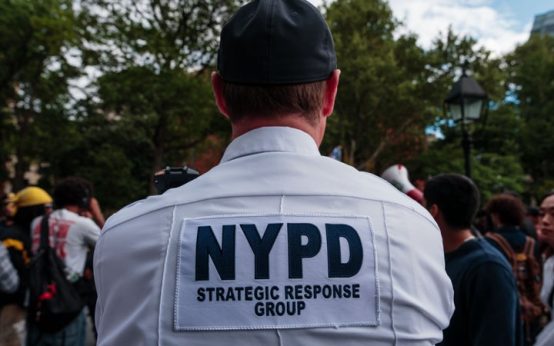 NYC Mayor Disbands Controversial Police Unit
 Travel Chaos and Innovation Amid FAA Ground Stop