Hanoi, the bustling capital of Vietnam, is amidst significant changes aimed at boosting economic growth and adopting a modern vision for the coming century. The city is actively investing in clearing land for numerous projects to achieve double-digit economic growth.
In the first half of 2026 alone, Hanoi allocated $2.4 billion to clear land for almost 1,500 projects. One of the world’s oldest continuously inhabited capitals is undergoing these extensive transformations to meet future demands.
Addressing Environmental Concerns
The urban renewal plan includes systems to manage flood control and efforts to combat air pollution. These changes are critical as Vietnam adapts to extreme weather events stemming from climate change. The country is highly vulnerable, facing frequent and intense typhoons, floods, and extreme heat.
Currently, the dense smog and significant air pollution hover over Hanoi, making it one of the most polluted cities globally. However, these modernization efforts entail a high cost. The loss of homes, livelihoods, and familiar places is inevitable as neighborhoods are demolished, leaving a trail of dust accumulating over rooftops, trees, and surviving structures.
The Human Cost
Residents like Nguyen Thi Nhan face uncertainty, losing homes to make way for new streets. Nhan, who used to sell fruit from her home near the street, now rents a place for her family since her home was demolished. The compensation remains pending, leaving families uncertain about resettlement plans.
Development and Its Challenges
Creativity flourishes through impressive plans shown on billboards displaying futuristic districts, shining steel and glass towers, wide boulevards, and waterfront promenades. The proposals involve demolishing colonial villas, traditional houses, and dense low-rise buildings.
The highlight is a $28 billion redevelopment along the banks of the sediment-rich Red River intersecting the city. Covering 11,400 hectares—a size larger than central Paris—it includes avenues, parks, urban districts, drainage systems, and flood control measures.
The Olympic sports complex, supported by Vingroup, Vietnam’s largest company, features one of the world’s largest drum-shaped football stadiums with 135,000 seats. The construction is the centerpiece of the complex.
Transport Transformation
Authorities plan major transportation advancements to ease traffic pressure on the historical center by creating multiple transport nodes. This modern infrastructure is vital for Vietnam to attract foreign investments and offer new opportunities to residents and businesses.
Yet, there is concern construction might divert capital from desired high-tech industries. Also, soaring real estate prices could expose banks to bad loans if the market falters. Apartment and land prices are rapidly rising, rendering homes in major cities unaffordable for many.
A report by S&P Global indicates that Vietnamese real estate developers are highly indebted, with debt levels exceeding those in countries like Indonesia and the Philippines. Despite representing about 3.5% of Vietnam’s GDP, the real estate sector accounts for nearly a quarter of bank loans.
“Substantial economic opportunities arise from these projects, yet there are risks to consider,” stated Nguyen Khac Giang, a visiting scholar at the ISEAS-Yusof Ishak Institute in Singapore.
Preserving Community Identity
Hanoi’s rush for renewal presents challenges impacting residents and their communities. Changes on streets disrupt those reliant on them, with longstanding signs and awnings disappearing from urban life.
Since November, a citywide campaign clears sidewalks of improperly parked vehicles, street vendors, and unauthorized businesses. Police vans patrol the historical district, reminding vendors to remove colorful plastic stools crowding pavements.
Thuy, a beef noodle soup vendor, shared that four tables and stools in front of her stall allowed her to serve additional customers. With these gone, she can’t sustain her business fully.
In an unusual public dissent, residents of Bac Cau community displayed banners urging city officials to let them remain in their homes amidst road project threats.
“We want to continue living here. Our families have been here for generations,” expressed Van, concerned about encountering issues with authorities for expressing her thoughts.
Compensation and Resettlement Concerns
Hanoi established compensation and resettlement standards for land acquired for redevelopment projects. These include covering damages, relocation costs, and support for relocating family tombs. Despite this, many residents report delays in compensation and uncertainty about future living conditions.
Giang highlights the challenge is not modernization itself, but its rapid execution and lack of consultation with residents and experts. He suggests finding ways to preserve history, street culture, and livelihoods during city rebuilds.
Beijing, for instance, dismantled most of its centuries-old walls in the 1960s for its first metro line, now serving as a major ring road. Similar urban redevelopment initiatives in China and other Asian cities prompted conflicts by relocating residents to peripheral areas lacking basic services, disintegrating long-established communities.
“Once we depart from the city’s history, it’s challenging to revert or change course,” remarked Giang.
Unlike the previous two decades characterized by outward urban expansion, Hanoi’s current reconstruction focuses on transforming the existing city, explained Linh Nguyen, lead analyst at Control Risks, a global strategic security and intelligence company.
Reurbanizing current neighborhoods and relocating institutions is much more complex, involving residents, property rights, and compensations. The key challenge is execution, especially regarding land acquisition, resettlement, and coordination among various government agencies.
Vietnam’s increasingly centralized state faces execution challenges in implementing long-planned projects that haven’t materialized. As the next 20 years prioritize rebuilding within Hanoi rather than expanding outward, tackling this fundamentally different challenge is crucial.
The Associated Press’s climate and environmental coverage receives financial support from private foundations. AP solely stands responsible for all content. For AP’s philanthropy collaboration standards, a sponsor list, and funded coverage areas, visit AP.org.
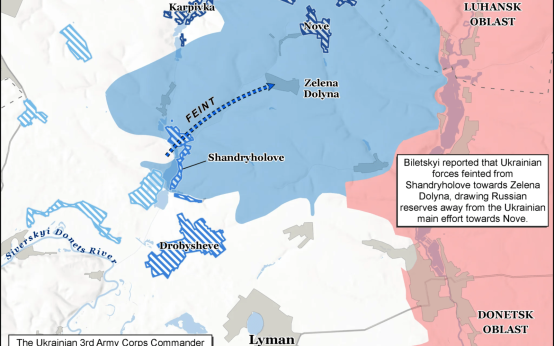 Ukraine Converts APCs to Explosive Devices in Donetsk Offensive
 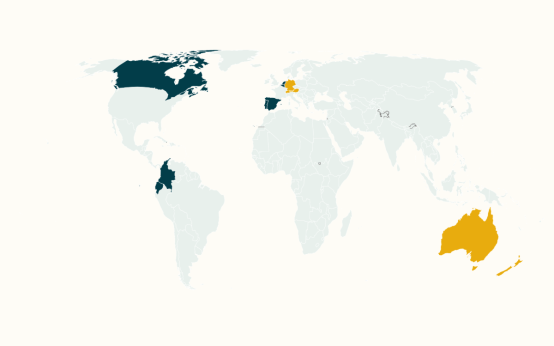 Dutch Review Board’s Euthanasia Ruling and International Debate
  Israeli PM Commends Heroic Actions in Flight Emergency
  Rabbi and Jewish Leaders Criticize Adam Brody for ‘Genocide’ Comment
  Flydubai’s Emergency Landing Highlights Cockpit Security
  Former Israeli PM Naftali Bennett Commends Passengers and Crew for In-Flight Heroism