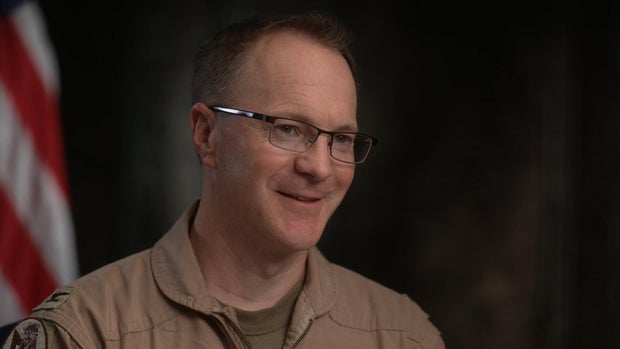
In April, amid a costly and unpopular conflict, an American fighter jet was shot down over Iran. This incident left two U.S. aviators stranded behind enemy lines. Using mission call signs for security, the two officers referred to as Alpha and Bravo ejected from their F-15E jet, named Dude 44, after an Iranian missile strike. The crewmates were separated in a vast mountainous desert, each with a bounty on their heads.
The unfolding events became one of the most extensive and complex rescue operations in U.S. military history. In an interview, Bravo shared with Norah O’Donnell new insights into his survival story and the rescue operation to save him and Alpha.
Bravo’s Gratitude to Alpha
Bravo described the missile hit on their aircraft as akin to a ‘freight train.’ The damage rendered their fighter jet unsalvageable. Alpha’s quick actions saved their lives. Bravo expressed lifelong gratitude to his co-pilot. He explained the tactical decision to eject was made within seconds, leading to their expulsion over Iran.
Bravo noted that the F-15E delays ejections slightly to create distance between crew members upon landing, enhancing safety.
“I will be thankful, to my dying day, for my pilot and crewmate, Alpha, for saving our lives and ejecting us,” Bravo shared.
Acknowledging Maintenance Crews
Bravo praised the airmen responsible for maintaining Dude 44 and its equipment. He emphasized that despite the missile’s damage, his survival gear performed beyond expectations.
“I want airmen who worked on our equipment to know they did an incredible job,” he stated. Bravo described how even a damaged ejection seat operated remarkably well, highlighting the crew’s professionalism.
Descent with a Damaged Parachute
Yet another challenge arose when Bravo’s parachute sustained damage during the missile strike, leading to a harrowing fall.
“Seeing no parachute above was the most terrifying sight,” he recounted. Bravo prayed for help, estimating his fall speed to be 70 to 100 miles per hour.
He was trained to manage such emergencies, focusing on fixing the parachute while descending. Despite sustaining several injuries, Bravo viewed his survival as a providential event, shielding him from catastrophic harm.
The Escape Amid Pursuit
Survival involved more than escaping a damaged jet. Bravo had to evade Iranian forces hunting him down. Military sources said Iranian troops came within a few hundred meters.
Bravo prioritized evasion and securing a safe spot before attempting communication.
“I focused on hiding or defeating enemy efforts to track me,” he explained. Despite communication equipment, he chose not to use it immediately for fear of enemies intercepting his location.
Injured, Bravo climbed a 7,000-foot ridge, motivated by a warrior ethos. He overcame his physical limitations, driven by the thought of avoiding capture.
Rescue and Escape
After two days, U.S. forces reached Bravo. His rescue, with Iranian soldiers gathering at the mountain base, was a profound relief.
“One of the greatest moments of my life was seeing U.S. forces,” Bravo reflected.
Although private, his words to his rescuers were clear: “Let’s go.”
The team’s escape was further challenged when the rescue plane became stuck in desert sand. A clandestine Air Force unit aided their departure from Iran. The trapped aircraft was then bombed to prevent capture by Iranian forces.
Bravo had unwavering belief in the U.S. military’s commitment to his rescue.
“It’s what we do,” Bravo asserted, expressing strong faith in both his creator and the U.S. military personnel.
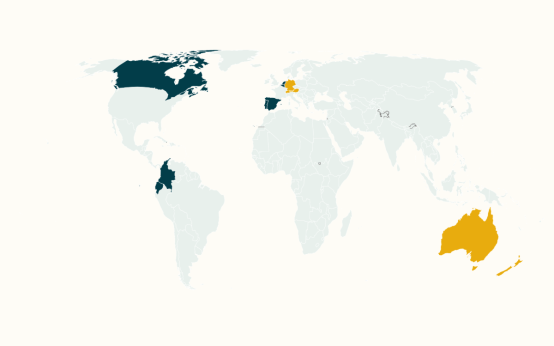 Dutch Review Board’s Euthanasia Ruling and International Debate
 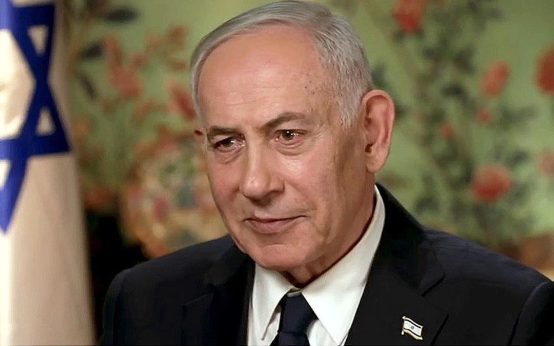 Israeli PM Commends Heroic Actions in Flight Emergency
 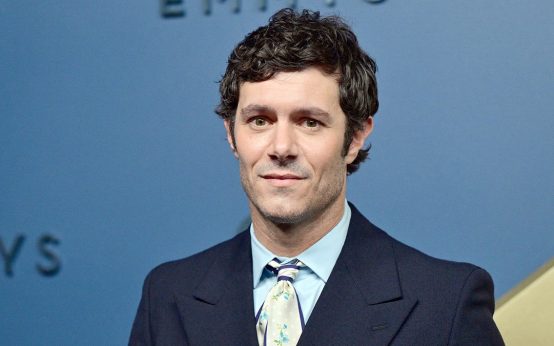 Rabbi and Jewish Leaders Criticize Adam Brody for ‘Genocide’ Comment
  Flydubai’s Emergency Landing Highlights Cockpit Security
  Former Israeli PM Naftali Bennett Commends Passengers and Crew for In-Flight Heroism
  Diplomatic Complexities Unfold at U.S. National Archives Visit