
The conflict in the Strait of Hormuz has escalated, involving key global players and threatening to destabilize the region further. President Donald Trump announced a shift from tariffs to investment and trade agreements with Gulf states.
Trump’s reversal stems from discussions with Middle Eastern leaders. He emphasized that Gulf states would engage in massive investments in the United States. However, it remains uncertain if these are new commitments or part of previous agreements.
Simultaneously, the U.S. launched an attack on Iran after announcing a reinstatement of a blockade on the Strait of Hormuz. Iran retaliated by targeting American allies and oil tankers, disrupting a ceasefire designed to stabilize the region and support energy supply routes.
The blockade heightened economic uncertainties, raising oil prices and threatening global economic stability.
The U.S. military warned that reopening the strait by force might require significant deployment. Iran’s closure of the strait utilized attacks on vessels, increasing oil prices amid an already strained global economy.
The Central Command of the United States confirmed strikes on Iran, which included coastal defenses and other strategic targets. Iran’s response hit areas in Bahrain, Jordan, and oil tankers. Notably, the attack on tankers involved vessels linked to the United Arab Emirates, resulting in casualties.
A Dutch shipping company confirmed one of its tankers was attacked near Oman, causing a significant fire but securing all crew members safely. Iran’s Revolutionary Guard claimed responsibility for targeting tankers ignoring warnings in those waters.
As tensions escalated, the Iranian city of Bushehr also came under attack, highlighting the complex, retaliatory nature of the conflict. The EU has warned airlines to avoid airspace over Bahrain, Kuwait, Qatar, and the UAE due to the unpredictable military dynamics.
The situation threatens to nullify a 60-day provisional peace agreement aimed at broader negotiations, including Iran’s nuclear program. Trump’s promise to reinstate a blockade complicates efforts, risking further economic turmoil and undermining diplomatic progress.
Regional mediators, including Pakistan, are urging a return to negotiations. Efforts continue with ongoing talks in Rome between Lebanese and Israeli negotiators to resolve disputes triggered by Hezbollah’s involvement in the wider conflict.
Last month’s Lebanese-Israeli agreement to withdraw Israeli forces in exchange for Hezbollah’s disarmament highlights complex negotiations amid fluctuating peace efforts.
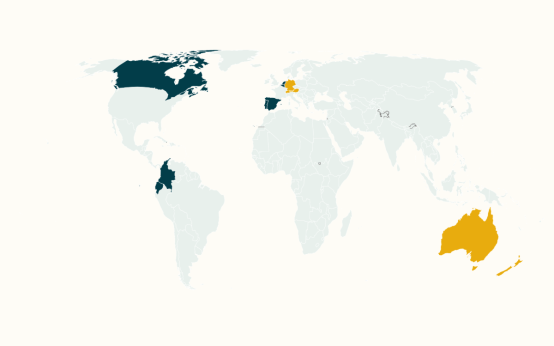 Dutch Review Board’s Euthanasia Ruling and International Debate
 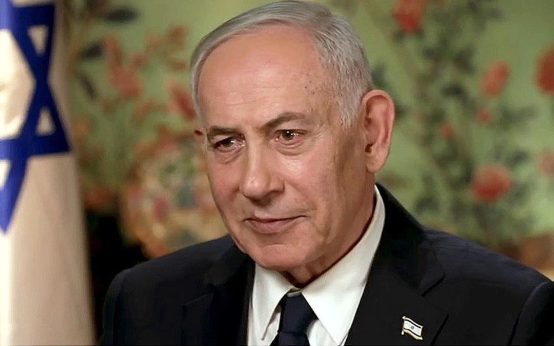 Israeli PM Commends Heroic Actions in Flight Emergency
  Rabbi and Jewish Leaders Criticize Adam Brody for ‘Genocide’ Comment
  Flydubai’s Emergency Landing Highlights Cockpit Security
 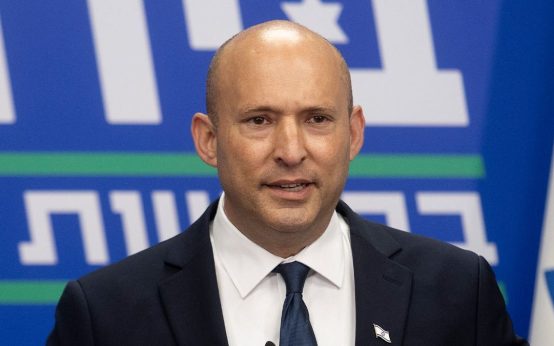 Former Israeli PM Naftali Bennett Commends Passengers and Crew for In-Flight Heroism
 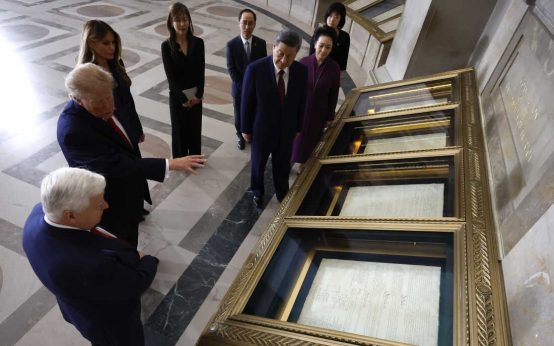 Diplomatic Complexities Unfold at U.S. National Archives Visit