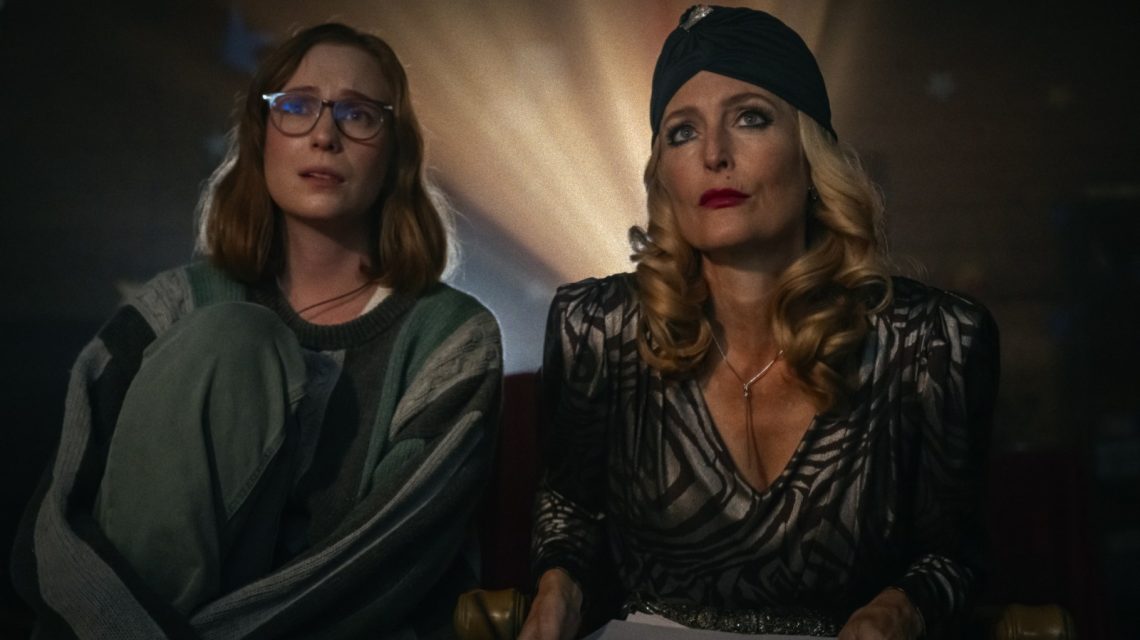
Films like Get Out (2017) highlight societal issues like racism, while Curry Barker’s Obsession (2025) explores male entitlement. Despite these themes, the trope of the ‘final girl’ in horror often lacks personal redemption until now. Teenage Sex and Death at Camp Miasma, directed by Jane Schoenbrun, changes this narrative.
In an interview, Hannah Einbinder discussed the film’s unique approach. “The genre ambiguity and how it uses horror tropes to empower was alluring,” she said. Einbinder plays Kris, a director working on a new installment of a slasher series. She wants to cast the series’ original final girl, Billy Wilder, played by Gillian Anderson. This choice aims to reclaim the narrative from male-driven storytelling.
Anderson noted how impactful the set design was. “The production was so perfectly crafted for the viewers,” she said. This attention to detail brought a meta aspect to the film she didn’t fully anticipate. Anderson believes the film speaks to diverse groups, potentially leading to broader compassion and understanding.
Horror often mirrors real-world issues. Historically, men told these stories, but recent films like A Girl Walks Home Alone at Night (2014) and The Substance (2024) bring new perspectives. Camp Miasma adds to this shift, crafting a female-led story with respect for horror’s traditions. Einbinder emphasized its personal nature for director Schoenbrun, which makes the story resonate strongly.
Anderson’s role is reminiscent of Sunset Boulevard’s Norma Desmond. Like Billy, Desmond became an outsider due to aging. Yet, Camp Miasma changes the narrative by highlighting Billy’s potential rather than viewing her as outdated. Unlike the spectacle in Sunset Boulevard, this film offers analysis and insight into Billy’s isolation after her initial success.
Anderson understands the impact of a defining role, as she has navigated her career beyond Dana Scully of X-Files. She embraces her fan base while maintaining a healthy distance. The film’s focus on the final girl raised a question about their favorite, to which Einbinder quickly answered, “Carrie,” from Brian De Palma’s 1976 adaptation. This choice aligns with the film’s theme of empowering the final girl trope, giving it back to the woman who lived through it.
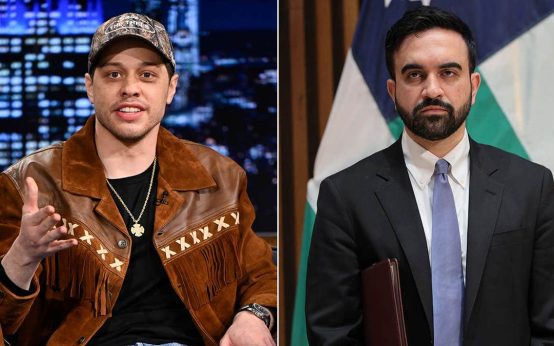 Pete Davidson Criticizes NYC Mayor Zohran Mamdani Over BQE Construction
  Chris Hansen Criticizes Hollywood’s Portrayal in ‘Primetime’
  Monet Mazur’s Home Targeted in Hollywood Hills Burglary Attempt
 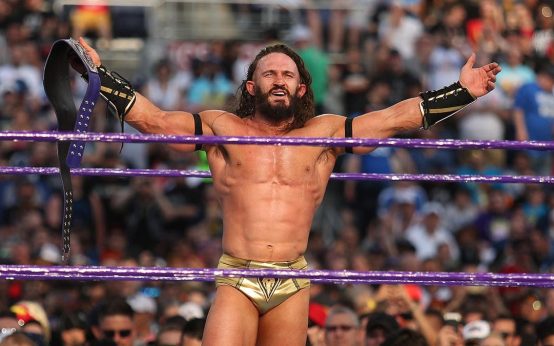 Dwayne Johnson Pays Tribute to Late Wrestler Benjamin Satterley
 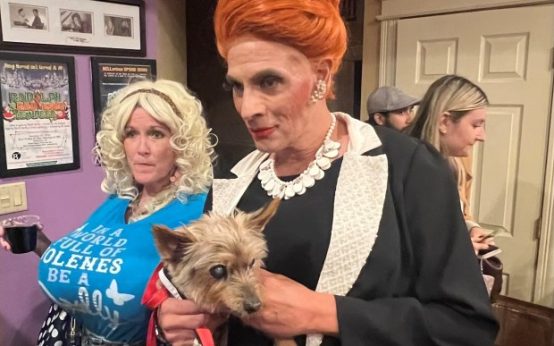 David Cerda Celebrates 25 Years of Stage Success with ‘Joan Crawford Goes to Hell’
  Adam Levy Steps into the Judiciary Spotlight with ‘Adam’s Law’