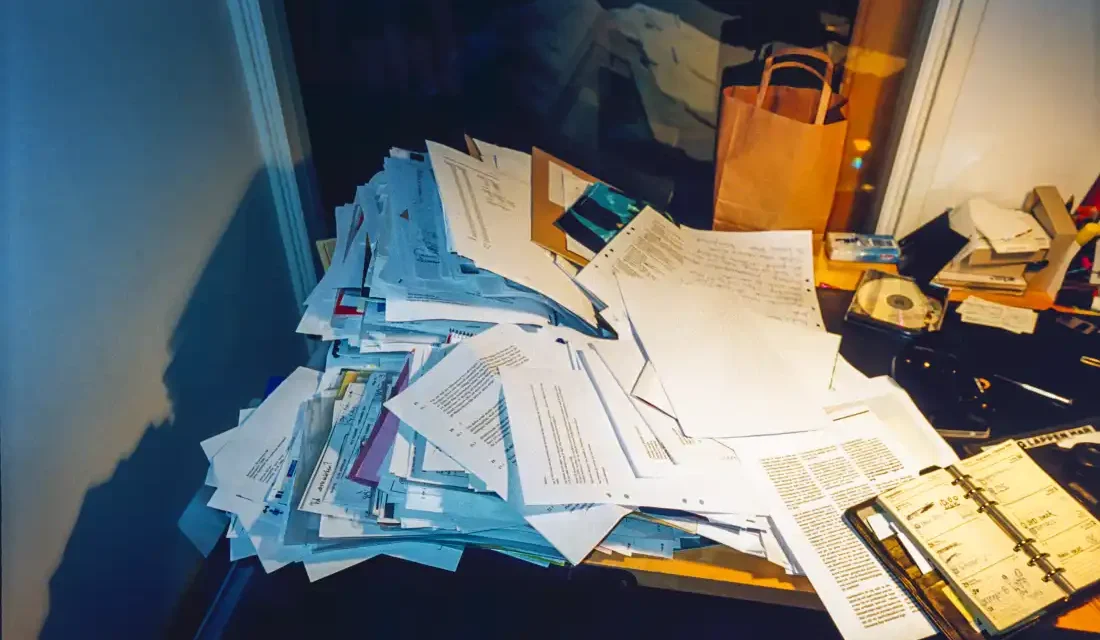
Is your kitchen island piled with mail? Do tax documents, product manuals, and old letters clutter your closet? Can’t find your Social Security card? You likely need to organize your paperwork. If this task feels daunting, Kacy Paide offers guidance. With over two decades as a professional organizer, she specializes in tackling paper clutter. Her main advice: take your time and manage your paperwork at your own pace. ‘You’re in control of your paper, and it’s up to you how fast you want to get through it,’ she says.
Starting with Nearby Papers
Begin by sorting out the papers around your desk or dining table. Ignore what’s stored in the garage or closet for now. Paide explains, ‘The documents and action items that are on fire tend to be closest to us.’ Sort documents into two categories: active or inactive. Active papers need follow-up, like making calls or paying bills. Inactive ones could be receipts, certificates, or keepsakes.
File away inactive items or set them aside for a detailed review later. Mark active documents with due dates using permanent marker on sticky notes. Attach these notes to the documents to highlight urgency, such as ‘due by Nov. 15’ or ‘start no later than Dec. 1,’ ensuring clarity and focus.
Creating a Personal Filing System
People must save various documents like birth certificates, passports, manuals, tax records, and medical files. The filing system you choose can be simple or complicated. Use alphabetical or color-coding if it helps you. The key is to select a system you’ll consistently use.
Paide suggests brightly colored folders for very important documents, such as passports, for easy identification. Place these at the beginning or end of a file box to avoid unnecessary searching through the files. Simple file folders, labeled with sticky notes, offer flexibility and reusability in your filing system. Unique file boxes can provide both functionality and a pleasing visual appeal, especially when stored on bookshelves.
Letting Go of Unnecessary Documents
Not all papers need desk space. To decide which to keep, consider when you’d need the document. Paide offers further tips on discarding unwanted papers.
Shredding everything is unnecessary. While many believe they must shred any document with their name and address, Paide emphasizes focusing on sensitive information. The Federal Trade Commission recommends shredding documents containing details like account numbers, birth dates, and Social Security numbers, to guard against identity theft. Shred what ensures your comfort and security.
Involve a family member or friend in sorting sentimental items, such as old letters or greeting cards. Discussing each document aloud can accelerate decisions to keep or discard them. Often, conclusions come swiftly.
There’s no need to declutter everything at once. Start small, dedicating perhaps 25 minutes at a time. Organizing requires regular maintenance and adaptation.
Explore more home organizing tips: Design tricks to enhance small spaces, feng shui decorating to boost harmony, and decluttering philosophies for a tidy home. For more information, contact Life Kit. Listen to Life Kit on Apple Podcasts or Spotify, and subscribe to our newsletter.
 Quince’s New Bag Rivals $3,400 Celebrity Version at Fraction of the Cost
 Celebrities Embrace Trench Coats for Winter Style
 Managing Holiday Stress and Enjoying Affordable Wines
 Top Food and Drink Innovations for Holiday Gifts
 Cuffed Jeans: A Trend Embraced by Celebrities
 Two-Story Tiny Home with Modern Features Available on Amazon